
Trees
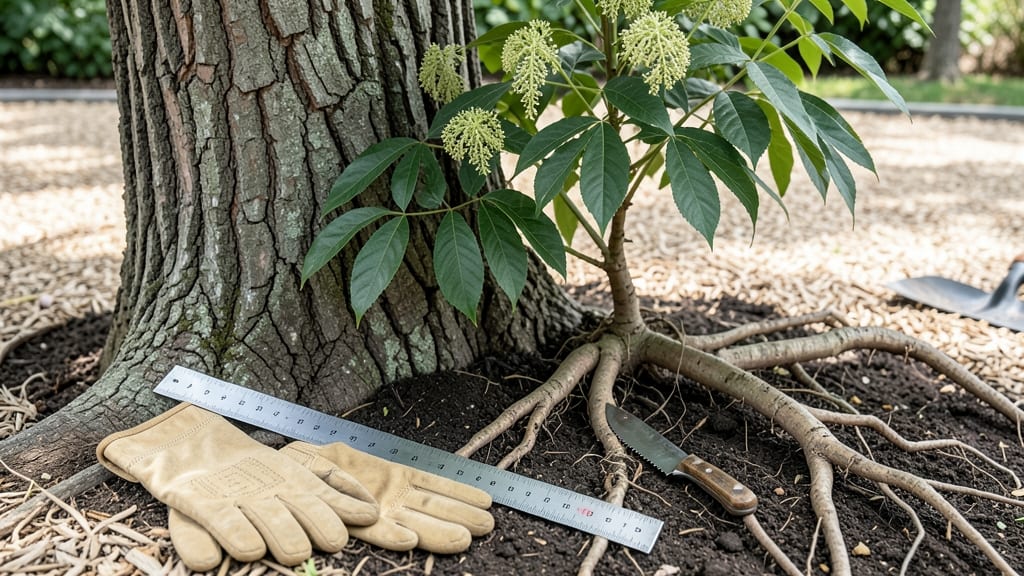
The tree of heaven root system diagram reveals a deceptively simple structure—until you see its aggressive lateral roots stretching 50 feet from the trunk. 🌳 This invasive tree spreads through both deep taproots and shallow, creeping rhizomes, making it nearly impossible to dig out by hand.
I’ve watched mine send up new shoots 20 feet away from the original stump, proving why this tree earns its "invasive" reputation. What makes it worse? Its roots release chemicals that suppress nearby plants, creating a bare zone around its base.
Unlike desirable trees, it thrives in disturbed soil, parking lots, and even cracks in pavement. If you’re dealing with one, you’ll need heavy machinery or repeated cutting to slow its spread—no quick fixes here.
📚 In This Guide
- What you need
- Instructions
- Tips and common mistakes
- Wrapping up and next steps
What you need
- ● Tree of Heaven (Ailanthus altissima) plant: A mature specimen (preferably 3–5 years old) for best root visibility. Note: Avoid disturbing invasive species in protected areas—check local regulations!
- ● Shovel or root auger: A 16–18-inch garden spade or 2-inch diameter auger for digging shallow trenches (1–2 feet deep).
- ● Measuring tape: 10–20 feet for mapping root spread and depth.
- ● Graph paper or digital tool: Option 1: 11x17-inch grid paper (1/4-inch squares for precision).
- ● Option 2: Free software like Inkscape or Google Drawings (for digital diagrams).
- ● Colored pencils/markers: 3–5 colors to differentiate root types (e.g., taproot, lateral roots, suckers).
- ● Waterproof gloves: Nitrile or rubber (rated for wet conditions).
- ○ Camera or smartphone: For documenting root structures before digging (optional but helpful!).
- ● Root stain: Non-toxic dye (e.g., Amido Black) to trace roots without digging.
- ● GPS device or app: For mapping coordinates if studying invasive spread in a field.
- ● Plastic sheeting: To protect soil from erosion while digging.
- ● Field notebook: For sketching on-site before transferring to graph paper.
- ● Reference guides: Books or USDA invasive species reports on Tree of Heaven root systems.
Understanding the tree of heaven root system: key spread patterns
Here’s how to visualize its aggressive growth—critical for managing this invasive tree.
🌱 Step 1: Identify the Primary Root Structure
The tree of heaven (Ailanthus altissima) develops a taproot system when young, but this quickly transitions into a shallow, lateral root network as it matures. The taproot can extend 6-10 feet deep, but the real threat comes from its aggressive lateral roots, which spread 30-50 feet horizontally from the trunk. These roots grow just 12-24 inches below the soil surface, making them vulnerable to disturbance but highly effective at colonizing new areas.
Look for thick, woody roots radiating outward—these are the main conduits for nutrient and water transport. Smaller fibrous roots branch off these laterals, forming a dense mat that competes with native plants. If you’re excavating, you’ll notice how easily these roots break when disturbed, a trait that helps them fragment and sprout new shoots.
🌿 Step 2: Map the Sprouting and Sucker Patterns
Tree of heaven doesn’t just spread via roots—it sprouts prolifically from root fragments as small as 2 inches long. Even a tiny piece left in the soil can regenerate into a new plant. These suckers emerge within weeks of root disturbance, often in clusters near the parent tree. In urban areas, I’ve seen them pop up along sidewalks, storm drains, and construction sites where roots were severed.
Watch for new shoots with compound leaves (7-13 leaflets) and a distinctive foul odor when crushed—a dead giveaway. These suckers can grow 3-6 feet tall in a single season, making them nearly impossible to outpace manually. If you’re clearing an infestation, mark the perimeter of the root zone with stakes to track new growth.
✂️ Step 3: Analyze the Rhizome and Adventitious Root Behavior
Unlike many trees, the tree of heaven produces rhizomes—horizontal, underground stems that store energy and send up new shoots. These rhizomes can extend even farther than the lateral roots, sometimes 60+ feet in ideal conditions. They’re typically found 6-18 inches deep, making them harder to excavate than surface roots but still accessible with the right tools.
Adventitious roots (roots growing from non-root tissue) are another key feature. If you cut a branch and leave it on the ground, it may develop roots and form a new plant—a process called layering. This is why stump grinding is essential after removal: even a 1-inch stump can regrow if left intact. For large trees, I recommend chemical treatment of the stump to prevent regrowth.
💧 Step 4: Observe Seasonal Root Activity
Tree of heaven roots are most active in early spring and late fall, when soil temperatures hover around 50-65°F. During these periods, new lateral roots and rhizomes elongate rapidly, increasing the spread radius. In summer, growth slows but doesn’t stop—roots continue to explore the soil for moisture and nutrients, especially in drought conditions.
If you’re monitoring an infestation, dig a shallow trench (12-18 inches deep) around the tree in early spring. You’ll often find new root tips emerging at the trench’s edge—this tells you exactly where the tree is pushing its boundaries. Mulching with cardboard or landscape fabric can block these new roots from reaching the surface, but it’s a temporary solution.
🌳 Step 5: Assess the Soil and Environmental Influence
Tree of heaven thrives in disturbed, nutrient-rich soils with good drainage, which is why it dominates construction sites, roadsides, and abandoned lots. Its roots avoid compacted or waterlogged areas, so they’ll seek out cracks in pavement or utility trenches to spread. In forests, it outcompetes native species by releasing allelopathic chemicals that inhibit growth around its roots.
To slow its spread, reduce soil disturbance in infested areas—avoid tilling or digging, which fragments roots. Instead, use solarization (covering soil with clear plastic for 6-8 weeks in summer) to weaken existing roots before attempting removal. In urban settings, regular mowing can suppress suckers, but it’s not a long-term fix without follow-up treatment.
Tips & tricks for mapping tree of heaven root spread
Mastering this invasive tree's growth patterns starts with understanding its hidden secrets—here's how to outsmart it.
Visualization Technique: Create a simple grid system when surveying an infestation. Use wooden stakes every 10 feet radiating from the tree trunk to map lateral root spread. Mark where you find new shoots or root fragments—this visual record becomes your early warning system. I've seen infestations expand 5 feet per year when left unchecked, so tracking progress is essential for containment.
Root Fragment Management: When removing tree of heaven, collect all root pieces—even those as small as 2 inches. These fragments can regenerate into new plants within weeks. I recommend using a shovel with a fine edge to carefully excavate roots, then bagging them for disposal. Never compost these fragments—they'll just sprout again in your compost pile.
Seasonal Strategy: Time your removal efforts for late summer when root activity slows. The instructions mention soil temperatures around 50-65°F trigger rapid growth, so working outside this range gives you an advantage. I've found that August through early September provides the best window for excavation before new shoots emerge in spring.
Soil Barrier Method: Install a 2-foot deep barrier of landscape fabric or hard plastic around the root zone to prevent lateral spread. Bury the edges 6 inches deep to block rhizomes from crossing. This isn't a permanent solution but buys valuable time for chemical treatments or repeated removals. Think of it as creating a moat around your property's defenses.
Pro Tips for Tree Of Heaven Root System Diagram
- Mastering this invasive tree's growth patterns starts with understanding its hidden secrets—here's how to outsmart it.
- Visualization Technique: Create a simple grid system when surveying an infestation.
- Root Fragment Management: When removing tree of heaven, collect all root pieces—even those as small as 2 inches.
Frequently asked questions
Got questions about the Tree of Heaven root system? You’re not alone! Here are some of the most common concerns—and answers—to help you manage this invasive species effectively.
How deep do Tree of Heaven roots grow?
The roots of a Tree of Heaven (Ailanthus altissima) can spread 10–15 feet deep and extend 50+ feet horizontally from the trunk. Their aggressive root system makes eradication challenging, so early intervention is key. Sucker growth from lateral roots often leads to new sprouts if not treated properly.
Why does the Tree of Heaven spread so aggressively?
This tree thrives on disturbances like construction, soil compaction, or even light pruning. Its roots release allelopathic chemicals that suppress competing plants, and it produces thousands of seeds annually. Once established, it dominates landscapes—making removal a priority for homeowners and land managers.
What’s the best way to kill Tree of Heaven roots?
Complete removal requires cutting stumps below ground level (2–3 inches) and applying herbicide (e.g., glyphosate) to fresh cuts. For large infestations, repeat treatments over 2–3 years are often necessary. Manual digging is labor-intensive but effective for small patches—just wear gloves!
Are there natural alternatives to chemical control?
Yes! Solarization (covering roots with clear plastic for months) or smothering with cardboard/mulch can weaken the tree. Goat grazing (yes, goats!) is also used in some areas to eat young sprouts. However, these methods may take 1–2 years for full results compared to herbicides.
How do I tell if new growth is from roots or seeds?
Root suckers appear close to the parent tree and grow low to the ground, while seedling sprouts are smaller, scattered, and lack the tree’s distinctive compound leaves at first. Pull seedlings early—they’re easier to remove before roots establish!
Still stumped? Drop your question in the comments—we’re happy to help you tackle this invasive menace!
Wrapping up and next steps
Understanding the Tree of Heaven root system is your first line of defense against its invasive spread! 🌱 With its aggressive, deep-reaching roots and prolific suckering habits, this tree demands attention—but now you’re equipped with the knowledge to spot, manage, and even outsmart it.
Whether you’re a gardener, land manager, or curious nature enthusiast, taking action early makes all the difference.
Ready to put this insight into practice? Start by inspecting your property for signs of Tree of Heaven—those distinctive compound leaves and the telltale root sprouts. If you find it, consult local invasive species resources for removal strategies tailored to your region. Every effort counts in protecting native ecosystems! 🌍✨