
Pruning
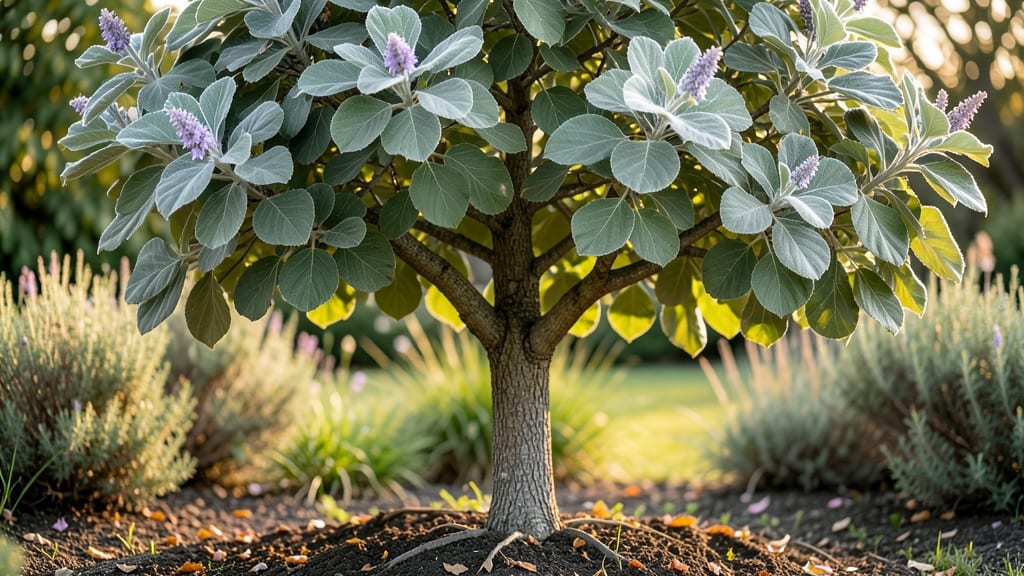
The Tree of Heaven (Ailanthus altissima) is a highly invasive species known for its rapid spread through prolific seed production and deep root systems, recognizable by its distinctive compound leaves, foul-smelling bark when crushed, and aggressive growth that quickly overtakes gardens and forests.
The Tree of Heaven earns its invasive reputation through its 7-13 leaflet compound leaves and ability to produce up to 500,000 seeds per tree annually. 🌱 What makes it particularly challenging is its allelopathic properties—chemicals released by its roots that inhibit nearby plant growth.
This explains why it often dominates landscapes, crowding out native species. For homeowners dealing with this nuisance, early identification is key, as mature trees can reach heights of 60 feet and spread just as wide.
Once identified, removal requires a multi-step approach. Manual cutting should target the entire root system, including the stump, to prevent regrowth. Glyphosate-based herbicides are commonly used for chemical control, but timing matters—application works best during active growth periods.
For large infestations, combining methods like smothering with thick mulch or solarization can create a more sustainable solution.
💡 In This Article
- Identifying Tree of Heaven by Leaves, Bark, and Growth Habits
- Effective Tree of Heaven Removal Techniques for Landscapes
Identifying tree of Heaven by leaves, bark, and growth habits
The Tree of Heaven's most striking feature is its compound leaves, which consist of 7-13 smooth-edged leaflets arranged alternately along a central stem. These leaflets are typically 2-5 inches long and have a slightly waxy texture, giving them a slightly shiny appearance when viewed under sunlight.
The leaves emerge in early spring with a reddish hue before turning glossy green, creating a visual contrast that helps distinguish it from native species.
What truly sets this tree apart is its distinctive odor. When you crush the leaves or bark, they release a strong, unpleasant smell often described as a mix of burnt peanut butter and rotten potatoes.
This foul scent comes from compounds called quassin and ailanthone, which also contribute to its allelopathic properties. These chemicals suppress the growth of surrounding plants by disrupting their root systems, allowing the Tree of Heaven to dominate landscapes with minimal competition.
The Tree of Heaven grows at an astonishing rate—up to 3-5 feet per year under ideal conditions. This rapid growth is fueled by its extensive root system, which can spread 50 feet wide for every foot of trunk height.
The tree's bark is another identifying feature: it's grayish-brown and deeply furrowed, with a rough texture that becomes more pronounced as the tree matures. Unlike many native trees, the Tree of Heaven often develops a crooked trunk due to its aggressive growth patterns.
One of the most concerning aspects of this invasive species is its seed dispersal strategy. A single mature tree can produce up to 500,000 seeds annually, which are lightweight and spread easily by wind.
These seeds remain viable in the soil for up to 5 years, creating a persistent seed bank that ensures new trees will sprout even after removal attempts. The combination of rapid growth, allelopathic chemicals, and prolific seeding makes this tree an ecological menace in many regions.
In urban areas, the Tree of Heaven often thrives in disturbed soils, such as construction sites or along roadsides.
Its ability to grow in poor soil conditions and tolerate pollution makes it particularly resilient. 🌳 When comparing it to native species, you'll notice the Tree of Heaven lacks the seasonal color changes that many trees exhibit—its leaves remain green well into autumn before dropping, leaving behind bare branches that can be identified by their distinctive bark and leaf scars.
For those attempting identification, focus on these key visual and sensory clues: the 7-13 leaflet arrangement, the peculiar odor when crushed, and the aggressive, fast-growing habit.
These characteristics make it relatively easy to spot, especially when compared to native trees with simpler leaf structures or more pleasant aromas. Early identification is crucial because once established, these trees can be extremely difficult to eradicate completely.