
Container Gardens
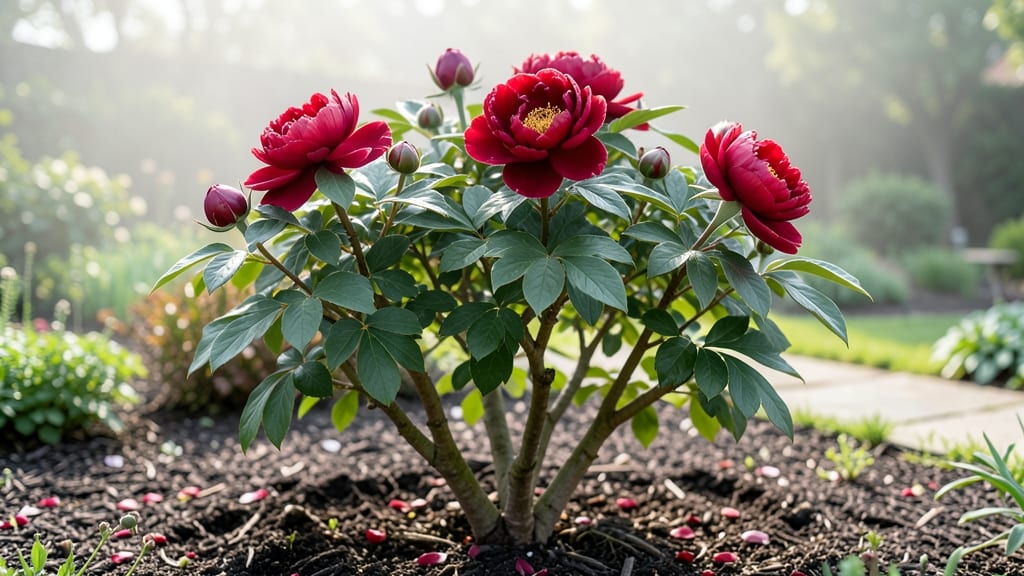
Growing tree peonies in pots lets you enjoy their stunning blooms even on a tiny balcony. 🌸 These woody perennials thrive in containers when given the right conditions—something I learned after my first potted peony nearly died from overwatering.
The key is mimicking their natural woodland habitat in a compact space, which means well-draining soil, proper sunlight, and winter protection.
You’ll need a 15- to 20-gallon container (tree peonies hate being root-bound) with drainage holes, a mix of 50% potting soil and 50% perlite or orchid bark, and a spot that gets 6+ hours of morning sun.
Water deeply when the top inch of soil feels dry, and fertilize lightly in spring with a balanced 10-10-10—never overfeed, or you’ll get lush foliage but few flowers. Patience is key: it takes 2-3 years for potted tree peonies to bloom reliably.
By summer, you’ll be rewarded with bold, fragrant blooms that last longer than their herbaceous cousins. The secret to keeping them thriving? Prune spent flowers to encourage reblooming, and mulch heavily in winter to protect roots from freeze-thaw cycles.
Even in pots, these plants can live for decades with the right care—imagine that first bloom in your third year!
This method works for small patios, urban balconies, or even large windowsills with enough light. The only real challenge is overwintering, but with a thick layer of straw or burlap and a sheltered spot, your peony will bounce back stronger each spring. Ready to grow one?
📚 In This Guide
- What you need
- Instructions
- Tips and common mistakes
- Wrapping up and next steps
What you need
- ● Tree peony plant: 1–3 dormant root divisions or potted saplings (ensure they’re Paeonia suffruticosa species, 1–2 years old for best results).
- ● Containers: 1–3 pots (18–24" diameter, depth, with drainage holes). Terracotta or ceramic preferred for breathability.
- ● Gravel or drainage material: 2–3 inches of pebbles, perlite, or broken pottery per pot.
- ● Well-draining potting mix: 2–3 gallons of a blend for woody plants or shrubs (add 20% perlite or sand for extra aeration).
- ● Slow-release fertilizer: 1–2 tbsp balanced 10-10-10 or rose/shrub-specific granules per pot.
- ● Pruning shears: Sharp, sterilized shears for trimming dead foliage or roots.
- ● Garden gloves: Heavy-duty to protect hands during handling.
- ● Mulch: 1–2 inches of pine bark fines or shredded leaves to retain moisture.
- ● Container saucers: Decorative trays to catch water runoff (add gravel for extra drainage).
- ● Epsom salt: 1 tbsp per pot (annual boost for magnesium and blooms).
- ● Stakes or supports: For tall varieties (e.g., ‘Shishi Yaki’), use 3–4 bamboo stakes per plant.
- ● Misting bottle: For humidity-loving varieties in dry climates.
Step-by-step guide to growing tree peonies in containers
Here's how to cultivate these stunning woody perennials in pots for years of vibrant blooms.
🪴 Step 1: Select the Right Container and Soil Mix
Choose a container at least 18 inches deep and 12 inches wide—tree peonies need room for their deep root systems. I prefer unglazed ceramic pots because they allow moisture to evaporate through the sides, preventing root rot. Make sure the pot has multiple drainage holes or drill extra ones if needed; these plants hate soggy feet.
Use a well-draining potting mix that combines 60% premium potting soil, 20% perlite, and 20% coarse sand. This blend prevents compaction while providing the aeration tree peony roots crave. I like to add a handful of bone meal to the mix at planting time—it provides slow-release phosphorus for strong root development and future blooms.
🌱 Step 2: Plant the Tree Peony Crown Correctly
Tree peonies ship with their crowns (the thickened base where stems emerge) exposed. Plant with the crown just below the soil surface—no deeper than 1 inch—or it may rot. The top of the crown should be visible once planted, as it needs light to prevent decay. I always mark the planting depth with a pencil on the pot before filling with soil.
Spread the roots gently outward in the pot, making sure they aren't curled or folded. Fill the container with your prepared mix, pressing lightly as you go to eliminate air pockets. Water deeply until it drains freely from the bottom holes, then let it sit for 24 hours to settle. This initial soaking helps the roots establish contact with the moist medium.
☀️ Step 3: Position for Optimal Light and Temperature
Tree peonies thrive in full sun—place your pots in a location receiving at least 6 hours of direct sunlight daily. A south-facing patio or balcony works best, but if you're in a hot climate, provide afternoon shade during peak summer months to prevent leaf scorch. I notice the most vibrant blooms when plants get morning sun and afternoon shade.
These plants dislike extreme temperatures. In winter, protect pots from freezing by wrapping them in burlap or moving them to an unheated garage where temps stay between 30-50°F. In summer, keep them in a spot where temps stay between 65-85°F—they'll sulk if overheated or exposed to sudden temperature swings.
💧 Step 4: Water and Fertilize for Consistent Blooms
Water when the top 2 inches of soil feel dry to the touch. Tree peonies are drought-tolerant once established, but containers dry out faster than garden beds. I use a drip irrigation system set to water twice weekly during summer, adjusting to once weekly in cooler months. Always water at the base to keep foliage dry—wet leaves invite fungal diseases.
Fertilize in early spring with a balanced 10-10-10 fertilizer applied at half strength. I skip summer fertilizing—too much nitrogen now encourages leafy growth at the expense of blooms. In fall, add a low-nitrogen, high-phosphorus fertilizer to support next year's flower buds. Mulch with 2 inches of pine bark around the base to retain moisture and regulate soil temperature.
✂️ Step 5: Prune and Overwinter for Long-Term Health
After blooming, cut back spent flower stalks to the first set of healthy leaves using clean, sharp pruners. This redirects energy to next year's buds rather than seed production. I avoid heavy pruning—tree peonies bloom on old wood, so never cut into last year's growth. Thin out crowded stems in late winter to improve airflow and reduce disease risk.
In late fall, reduce watering as growth slows. Move pots to a sheltered location before frost hits. If you're in a cold climate, bury the pot halfway in the ground and cover with straw mulch for extra insulation. In spring, uncover gradually over 2-3 weeks to harden off the plant—sudden warmth can shock dormant buds into premature growth.
Tips & tricks for perfect tree peony cultivation in containers
These pro insights will help you coax spectacular blooms from your potted tree peonies year after year.
Container Selection Wisdom: While the instructions specify 18-inch depth, I recommend adding 2-3 inches of extra space if possible—tree peonies develop deep taproots over time. For heavy ceramic pots, place them on casters so you can rotate them seasonally to ensure even sun exposure. This prevents one-sided growth and keeps your plant balanced. The extra depth also gives roots room to establish during the critical 24-hour settling period after planting.
Soil Mix Enhancement: The recommended 60-20-20 soil blend is perfect, but I add 1 part composted leaf mold to the premium potting soil for better moisture retention without compacting. This organic matter also feeds beneficial microbes that help break down the bone meal more efficiently. For urban gardeners, substitute perlite with vermiculite if you're in a very dry climate—it holds more moisture while still providing aeration.
Crown Planting Precision: That 1-inch crown depth is non-negotiable, but here's what I've learned: use a pencil to mark your planting depth on the pot before filling with soil. This visual guide prevents over-planting, which is the #1 cause of crown rot. After planting, gently press the soil around the crown to eliminate air pockets, then water immediately. The crown should feel firmly seated but not buried—think "just below the surface, not underground."
Seasonal Light Strategy: Tree peonies need that 6+ hours of sunlight daily, but I adjust their position based on the season. In summer's intense heat, I move them to morning sun with afternoon shade to prevent leaf scorch. In winter, I rotate pots to expose different sides to the weaker winter sun, ensuring even growth. A simple plant stand with wheels makes this seasonal shuffling effortless.
Pro Tips for Tree Peony In Pots
- These pro insights will help you coax spectacular blooms from your potted tree peonies year after year.
- Container Selection Wisdom: While the instructions specify 18-inch depth, I recommend adding 2-3 inches of extra spac...
- Soil Mix Enhancement: The recommended 60-20-20 soil blend is perfect, but I add 1 part composted leaf mold to the pre...
Frequently asked questions
Got questions about growing tree peonies in pots? You’re not alone! Here are some of the most common concerns—and their practical solutions—to help you nurture these stunning blooms with confidence.
Can tree peonies thrive in pots long-term, or do they need to be replanted?
Tree peonies can thrive in pots for years, but their lifespan and bloom quality depend on container size and care. Opt for a 15–20 gallon pot (or larger) with drainage holes to prevent root-bound stress. Repotting every 2–3 years in fresh, well-draining soil keeps them happy. Pro tip: Divide overcrowded roots in early spring to refresh growth!
When is the best time to plant tree peonies in containers?
Plant your tree peony in pots in early spring (just as new growth emerges) or early fall (6–8 weeks before your first frost). Avoid summer heat stress—roots need time to establish before extreme temperatures. If buying bare-root, soak roots for 2–3 hours before potting to reduce transplant shock.
How often should I water potted tree peonies, and what’s the deal with soggy soil?
Water when the top 1–2 inches of soil feel dry (usually 1–2 times per week, more in summer). Tree peonies hate soggy roots—ensure pots have drainage holes and use a mix like 50% potting soil, 30% perlite, and 20% compost. Troubleshooting: Yellow leaves or mushy stems? You’re likely overwatering!
Do potted tree peonies need full sun, or can they handle partial shade?
Tree peonies love 6+ hours of sunlight daily for vibrant blooms, but they tolerate morning sun + afternoon shade in hot climates. In shadier spots, expect smaller flowers and fewer blooms. If indoors, place near a south-facing window or use grow lights for 12+ hours of light.
Why aren’t my potted tree peonies blooming, even though they look healthy?
Blooming issues often stem from immature roots, poor sunlight, or over-fertilizing. Tree peonies need 3–5 years to mature in pots. Skip high-nitrogen fertilizers (they encourage foliage over flowers)—opt for a balanced 10-10-10 or bloom-specific formula in early spring. Bonus: Deadhead spent blooms to encourage reblooming!
What’s a good alternative if I can’t find tree peonies in my area?
If tree peonies are scarce, try these potted-friendly, long-blooming alternatives:
- Herbaceous peonies (smaller, but prolific bloomers in pots).
- Japanese maples (compact varieties like ‘Bloodgood’ for year-round color).
- Dwarf crabapples (e.g., ‘Centennial’—thrives in 15+ gallon pots).
- Camellias (evergreen, winter-blooming, and pot-adaptable).
Wrapping up and next steps
Growing tree peonies in pots is a rewarding way to enjoy their stunning blooms and lush foliage—even in limited spaces! With the right container, soil, and care, these elegant plants thrive year-round, adding timeless beauty to patios, balconies, or cozy corners.
Whether you’re a gardening newbie or a seasoned pro, their compact nature makes them a perfect fit for small-scale container gardening.
Ready to transform your space? Start by selecting your pot and soil mix, then follow the care tips shared here. Next, take the plunge—plant your tree peony and watch it flourish! 🌸✨