
Propagation
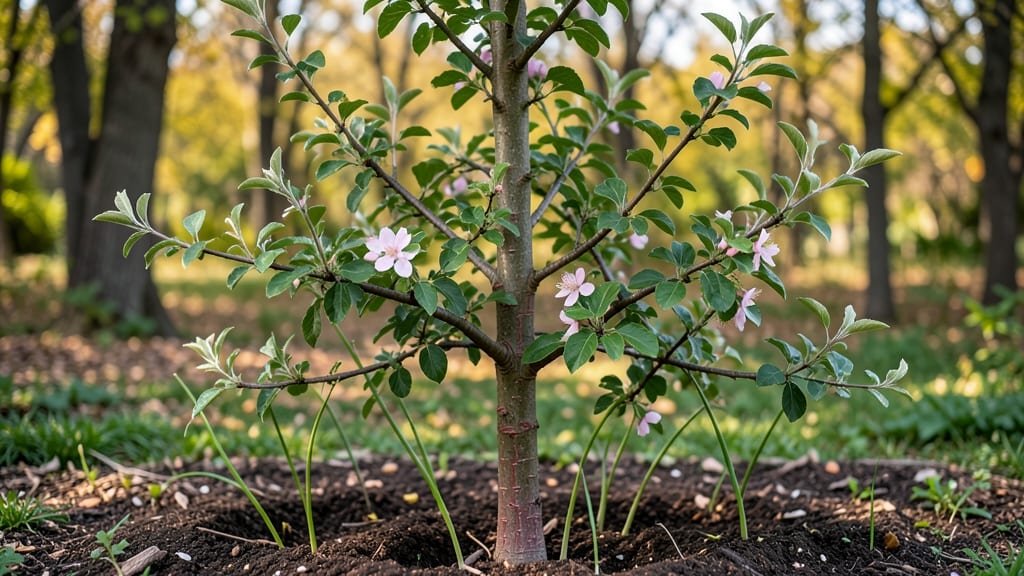
That stubborn tree sprouting from your base isn't a lost cause—it's a chance to revive what you thought was gone. 🌱 Many gardeners mistake these shoots for weeds, but they often signal a tree's resilience, whether from dormant roots, stump regrowth, or natural genetic traits like root suckers in fruit trees.
Understanding why this happens is the first step to managing it without harming your landscape.
Common culprits include apple, cherry, and willow trees, which thrive by sending up multiple shoots from their roots. Even maples and oaks can produce these "volunteer" sprouts after pruning or damage. The key is distinguishing between helpful regrowth and aggressive suckers that drain energy from your main tree.
Proper identification helps you decide whether to prune, treat, or simply redirect these shoots for new growth.
You can control these sprouts through targeted pruning, chemical treatments, or even grafting them into new trees. For example, cutting back aggressive suckers at the base with clean shears prevents them from taking over while allowing beneficial regrowth.
Safety is critical—always wear gloves and use sharp tools to avoid disease spread. With the right approach, these shoots become opportunities rather than nuisances.
Long-term prevention involves monitoring soil health, proper pruning techniques, and understanding your tree's natural tendencies. Some gardeners even use these sprouts to create new plants, turning what seems like a problem into a gardening advantage. The goal is balance—keeping your landscape productive without letting these shoots take over.
Root System Secrets Revealed
When you spot a tree sprouting from its base, it’s often a sign that its roots are far more active—and resilient—than you might think. But what triggers this unexpected growth?
Let’s break down the science behind why trees send up new shoots from their base, so you can understand (and even encourage!) this natural process.
Many trees, especially fruit trees like apples, cherries, and citrus, have dormant buds hidden along their roots and trunk base. These buds remain inactive until conditions become favorable.
When the tree’s top growth is damaged—due to pruning, disease, or environmental stress—the dormant buds detect the "call for help" and spring into action. Think of it like a backup system: if the main branches fail, the tree taps into its emergency reserves.
Why it happens:
- Hormonal signals: When the tree’s apical dominance (the control the top growth exerts over lower buds) weakens, growth hormones like auxin shift downward, unlocking dormant buds.
- Nutrient redistribution: If the canopy is lost, the tree reroutes stored energy (like starch in roots) to fuel new shoots.
- Genetic hardwiring: Some tree species, like willows or poplars, are naturally prolific sprouters as a survival tactic.
Actionable insight: If you’ve pruned a tree heavily or it’s recovering from stress, these sprouts are a good sign—your tree is fighting back! 🌟
Physical damage to roots—whether from construction, soil compaction, or even overwatering—can stimulate basal sprouting. When roots are injured, they release stress hormones like ethylene, which trigger the growth of new shoots to compensate for lost root function.
Why it happens:
- Root girdling: If roots are constricted by soil, rocks, or even mulch piled too high, they can’t absorb water efficiently. The tree responds by sending up shoots to access sunlight and photosynthesize independently.
- Oxygen deprivation: Waterlogged soil suffocates roots, forcing the tree to grow aerial shoots for gas exchange (a process called adventitious shoot formation).
- Mechanical disruption: Digging near the base or installing hardscapes (like patios) can sever roots, prompting the tree to regrow from undamaged sections.
Actionable insight: If your tree is sprouting after recent landscaping, check for root damage. Loosen compacted soil or improve drainage to reduce future stress. 💡
Trees with heavy canopies (like large oaks or maples) sometimes struggle to support their own weight, especially in windy or storm-prone areas. When branches break or are removed, the tree’s center of gravity shifts, and the root system may send up stabilizer shoots to redistribute weight and restore balance.
Why it happens:
- Light competition: If the main trunk is shaded by dense foliage, lower buds receive more sunlight and grow faster—a phenomenon called apical escape.
- Structural instability: Weak or broken branches reduce the tree’s ability to anchor itself, so basal sprouts grow thicker roots and stems for support.
- Age-related decline: Older trees with dying canopies often sprout from the base as a last-ditch effort to regenerate.
Actionable insight: If your tree looks top-heavy, consider staking young sprouts to guide their growth upward and strengthen the trunk. 🌲
Extreme temperatures, drought, or even fire can shock a tree into producing basal sprouts. Some species, like certain eucalyptus or aspen trees, are adapted to regenerate after wildfires by sprouting from their base—a survival strategy called sprouting resilience.
Why it happens:
- Heat or fire damage: Scorched bark releases growth-promoting compounds, while the root system remains protected underground.
- Drought stress: When top growth wilts, the tree prioritizes shallow root sprouts that can access moisture quickly.
- Flooding or cold snaps: Sudden temperature swings disrupt normal growth patterns, causing buds to activate prematurely.
Actionable insight: In fire-prone areas, choose native species known for basal sprouting (like manzanita or ceanothus) for natural recovery. 🔥
Understanding these triggers helps you decide whether to nurture these sprouts or remove them—more on that in the next section! 🌿
Revive & Prevent Stubborn Base Sprouts
A tree sprouting stubbornly from its base isn’t just an eyesore—it can drain energy from your prized plant, leaving it weak and vulnerable. But don’t reach for the pruners just yet!
With the right approach, you can revitalize the root system, redirect growth, and even prevent future regrowth—without killing the tree. Below, we’ve mapped out practical fixes based on the most common causes, plus pro tips to keep your tree thriving long-term.
When the roots are struggling, the tree compensates by sending up new shoots from the base.
How to Fix It: 🔥 Step 1: Assess Root Health
- Gently dig around the base (1–2 inches deep) to check for rotted, mushy roots (a sign of overwatering or fungal issues) or hard, woody roots (a sign of drought stress).
- If roots smell foul or look slimy, fungus or bacteria may be the culprit.
🍳 Step 2: Prune & Disinfect
- Use sterilized pruning shears to sever the sprout at the base (just above the soil line).
- Dab the cut with copper fungicide or hydrogen peroxide (3%) to prevent infection.
👨🍳 Step 3: Boost Root Growth
- Aerate the soil: Loosen compacted soil around the roots with a fork or trowel.
- Add mycorrhizal fungi: Mix in a root booster (like MycoApply) to help roots absorb nutrients.
- Water deeply but less often: Let the top 2 inches of soil dry out between waterings to prevent rot.
🥘 Step 4: Fertilize Smartly
- Use a balanced, slow-release fertilizer (10-10-10) in early spring to encourage root over soil growth.
- Avoid high-nitrogen fertilizers—they promote leafy top growth, which stresses roots further.
⏰ Step 5: Mulch Correctly
- Apply 2–3 inches of organic mulch (wood chips, bark) 3 inches away from the trunk to regulate soil temperature and moisture.
- Never pile mulch against the trunk—this suffocates roots and invites pests.
If a tree has been heavily pruned or has too many branches, it may send up shoots from the base to restore balance.
How to Fix It: 🔪 Step 1: Prune Strategically
- Remove 1–2 large branches (not more!) to reduce the tree’s top weight and encourage root strength.
- Use the thinning cut method (cut back to a side branch or bud) to avoid stubs that invite disease.
🌡️ Step 2: Balance Growth Hormones
- Apply rooting hormone (like Dip ‘N Grow) to stimulate downward growth instead of upward sprouts.
- For stubborn cases, wound paint (like Tanglefoot Tree Wound Pruning Seal) can help heal cuts faster.
🎯 Step 3: Support the Tree
- If the tree is young or weak, stake it temporarily (1–2 years max) to prevent wind stress.
- Avoid over-tightening—just enough to keep it upright.
Poor soil drainage, wrong pH, or planting too deep can trigger base sprouts as the tree tries to escape stress.
How to Fix It: 💡 Pro Tip: Test Your Soil
- Use a DIY soil test kit (or send a sample to a local extension office) to check pH (ideal: 6.0–7.0 for most trees) and nutrient levels.
- Amend soil with gypsum (for clay) or compost (for sandy soil) to improve structure.
🔥 Step 1: Correct Planting Depth
- If the tree was planted too deep, the roots may suffocate. Dig around the base and loosen soil up to 6 inches deep.
- Never bury the trunk—ensure the root flare (where roots meet trunk) is above ground.
🌡️ Step 2: Improve Drainage
- If water pools around the base, raise the soil level slightly with gravel or sand.
- For clay soil, mix in perlite or coconut coir to prevent compaction.
✨ Step 3: Choose the Right Tree for Your Climate
- Some trees (like willows, poplars, or fruit trees) are prone to suckers. If you’re planting new, pick low-sucker varieties (e.g., dwarf fruit trees or Japanese maples).
Once you’ve tackled the sprouts, keep them from coming back with these habits:
- 🌱 Mulch Right: Use wood chips or straw, but keep it 3 inches away from the trunk.
- 💧 Water Deeply: 1–2 times per week (deep soak, not frequent light watering).
- 🍃 Prune in Late Winter: Remove water sprouts (thin, fast-growing shoots) before they take energy from the tree.
- 🌿 Monitor for Stress: Yellow leaves, wilting, or excessive sprouts = time to check roots or soil.
- 🔄 Rotate Fertilizers: Alternate between root feeders (like fish emulsion) and slow-release granules to avoid overstimulating top growth.
Final Thought: A tree sprouting from the base is often a sign of distress, not just a nuisance. By fixing the root cause (literally!) and adjusting care habits, you’ll not only stop the sprouts but also strengthen your tree for years to come. 🌳✨
Frequently asked questions
Why do some trees sprout multiple shoots from their base while others don't?
Genetics play a huge role—species like willows, poplars, and fruit trees (such as apple or cherry) are naturally prolific sprouters due to their survival instincts. These trees store energy in their roots and release it when the main trunk is damaged or stressed. In contrast, trees like oaks or pines typically don't produce basal sprouts unless severely damaged.
Is it safe to remove all sprouts from a tree's base?
Not always! Removing all sprouts can stress the tree further, especially if the main trunk is already weak. Keep 1-2 healthy sprouts if the tree appears struggling—these can become new leaders. Always use sterilized tools and cut at a 45-degree angle just above the soil line to prevent disease.
Can I turn these base sprouts into new trees?
Many gardeners use basal sprouts to propagate new plants. Simply dig up a healthy sprout with some roots attached, replant it 3-4 feet away from the parent tree, and keep the soil moist. This works especially well with fruit trees—just ensure the new plant has its own root system before separating completely.
How do I know if my tree's sprouts are beneficial or harmful?
Beneficial sprouts are straight, sturdy, and growing upward—these can become new trunks. Harmful "suckers" are usually thin, weak, or growing horizontally, which drain energy from the main tree. Look for leaf color too: healthy leaves are vibrant, while stressed ones appear yellow or curled.
Will chemical treatments stop basal sprouts permanently?
Chemical treatments (like triclopyr or glyphosate) can suppress sprouts for 1-2 years, but they don't address the root cause. For long-term solutions, focus on soil health, proper pruning, and root care—these methods prevent regrowth by reducing the tree's stress. Always test chemicals on a small area first to avoid damaging the main tree.