
Plants
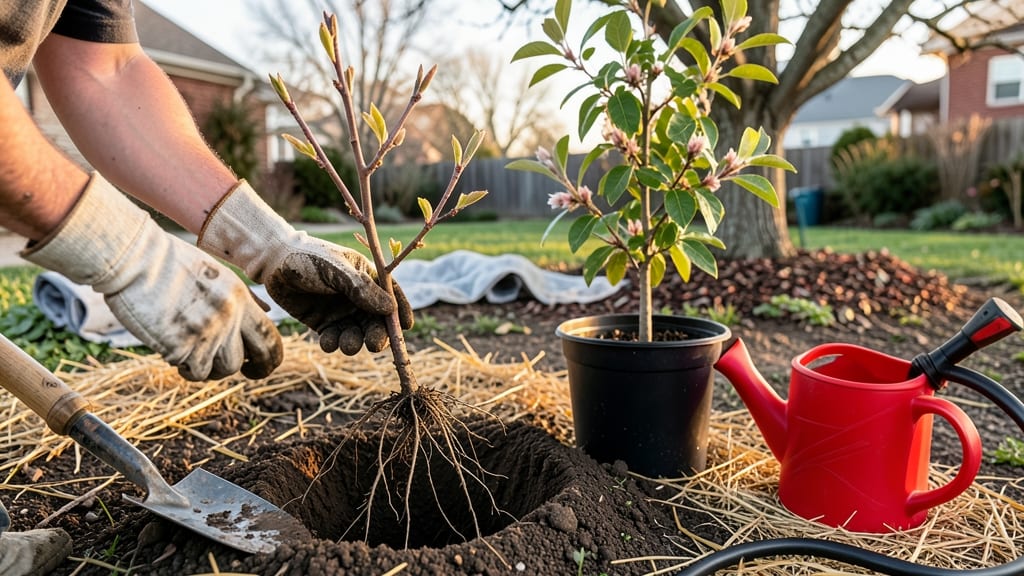
Planting a peach tree in Texas at the right time ensures strong root growth and a fruitful harvest 🍑 — aim for late winter to early spring, when soil warms but frost risks fade.
Miss that window, and you risk stunted roots or frost damage, turning your $50 investment into years of frustration. Texas’ variable climate means North Texas needs a different approach than South Texas, and even a few degrees can make or break your young tree.
Whether you’re planting bare-root saplings or container-grown trees, timing matters more than you think. Below, I break down the best months for your region, soil prep secrets, and how to protect your tree from late frosts—so you can enjoy homegrown peaches in just a few years.
You’ll also learn how to spot the signs of a well-planted tree, avoid common pitfalls, and adjust for Texas’ 8a-10a zones—because the same rules don’t apply everywhere in the Lone Star State.
Best months to plant a peach tree in Texas for optimal growth
Texas gardeners know timing is everything when planting fruit trees, and peach trees are no exception. Unlike some plants that thrive with flexibility, peaches demand precise conditions—cooler soil temperatures and dormant season planting are critical for root establishment.
In Texas’s USDA zones 7–10, the best window is narrow but impactful, offering either late winter or early spring opportunities.
The ideal months for planting peach trees in Texas are February through March, aligning with the state’s last frost dates (which vary dramatically from North to South Texas). This timing ensures young roots establish before the spring growth surge, while avoiding the heat stress of summer planting.
Let’s break down why these months work—and how to adapt for your specific Texas region.
For North Texas gardeners (zones 7–8), February is your sweet spot—planting 4–6 weeks before the last frost (typically mid-February) gives roots time to establish before the spring growth spurt.
In Central Texas (zones 8–9), you can extend planting into early March, while South Texas (zones 9–10) offers a rare advantage: fall planting in November avoids summer heat entirely.
Peach trees enter dormancy in winter, making them ideal candidates for bare-root planting during this period.
When you plant in February or March, the tree’s roots wake up slowly with the soil, minimizing transplant shock. Container-grown trees, however, can handle early spring planting more flexibly, as their root systems are already established in pots.
Soil temperature is the deciding factor—peach roots need cooler soils (45–60°F) to avoid stress. Use a soil thermometer to check depth (6 inches down).
If temperatures creep above 65°F, delay planting until conditions cool. Mulching with wood chips (3–4 inches) helps regulate soil temperature and retain moisture during the critical first year.
One common misconception is that spring planting is too late for peach trees, but in South Texas, early March can still work if you water deeply every 5–7 days and protect young trees from late frost with frost cloth.
The key is root establishment before summer heat—not just avoiding frost. For container-grown trees, you can even plant in April in mild zones, but bare-root trees planted this late may struggle.
Texas’s variable microclimates mean your neighbor’s perfect planting time might not suit your yard. For example, Hill Country elevations (like Fredericksburg) may experience later frosts than Austin, while coastal areas (like Corpus Christi) rarely see frost at all.
Always check your local frost dates via the Texas A&M AgriLife Extension or Almanac for precision.
If you miss the ideal window, don’t panic—container-grown peach trees can be planted in fall (November) in South Texas, where winters are mild. However, avoid planting in <
Texas-specific tips for planting peach trees in different regions
Texas's diverse climate means peach tree planting timing varies dramatically from North Texas to South Texas. In North Texas (USDA Zones 7–8), where winters dip below freezing, plant bare-root trees in late February—just weeks before the last frost date (typically mid-February).
This gives roots time to establish before summer heat arrives. Central Texas (Zones 8a–9a) offers a wider planting window from mid-February to early April, accommodating both cooler winters and variable spring rains.
For South Texas (Zones 9a–10a), where winters are mild, you can plant container-grown peach trees year-round, but late winter (February–March) is still ideal. The key is avoiding extreme heat stress—young trees planted in summer often struggle to root before drought sets in.
Always check local frost dates via the Texas A&M AgriLife Extension for precise timing.
Root establishment is critical, so adjust your approach: In North Texas, prioritize deeper soil prep (amend with compost to 6–8 inches deep) to protect roots from freeze-thaw cycles. In Central Texas, focus on mulching heavily (4–6 inches of wood chips) to retain moisture during unpredictable spring showers. South Texas growers should water deeply every 7–10 days to counteract caliche soil and prevent root suffocation.
🌱 When to Plant a Peach Tree in Texas by Region
| Region | Best Planting Months | Key Consideration |
|---|---|---|
| North Texas (Zones 7–8) | Late February–Early March | Avoid late frosts; amend soil deeply |
| Central Texas (Zones 8a–9a) | Mid-February–Early April | Flexible window; mulch heavily |
| South Texas (Zones 9a–10a) | February–March (year-round for containers) | Deep watering; watch for caliche soil |
💡 Pro Tip: Use container-grown trees in South Texas for flexibility—plant anytime except peak summer (June–August).
Another regional trick: In North Texas, I’ve had success planting peach trees in late winter but covering the root zone with straw mulch (6 inches thick) to insulate roots during unpredictable cold snaps in March.
Central Texas gardeners should avoid planting in May—the 100°F+ heat can shock young roots, even with irrigation. For South Texas, where humidity is high, choose dwarf varieties like ‘Redhaven’ or ‘Elberta’ to reduce fungal risks like peach leaf curl.
Soil prep differs too: North Texas soils are often clay-heavy, so mix in sand and compost to improve drainage. Central Texas’s blackland prairie soil retains moisture well but may need gypsum amendments if compacted.
In South Texas, raise beds slightly (6–8 inches) to avoid waterlogging during heavy summer rains. Always test your soil’s pH (6.0–7.0 ideal) and phosphorus levels—peach trees need high phosphorus for strong roots.
Finally, pruning young trees varies by region: In North Texas, prune lightly in late winter to encourage early spring growth before frost. Central Texas trees can handle summer pruning (June–July) to manage size, but avoid heavy cuts—peach trees bleed sap when pruned in warm weather. South Texas growers should prune in late winter to reduce heat stress on new growth.
With these region-specific adjustments, your peach tree will establish roots 30–50% faster and bear fruit 1–2 years sooner than trees planted at the wrong time. The key? Match planting to your local microclimate—not just the calendar. 🌿