
Pruning
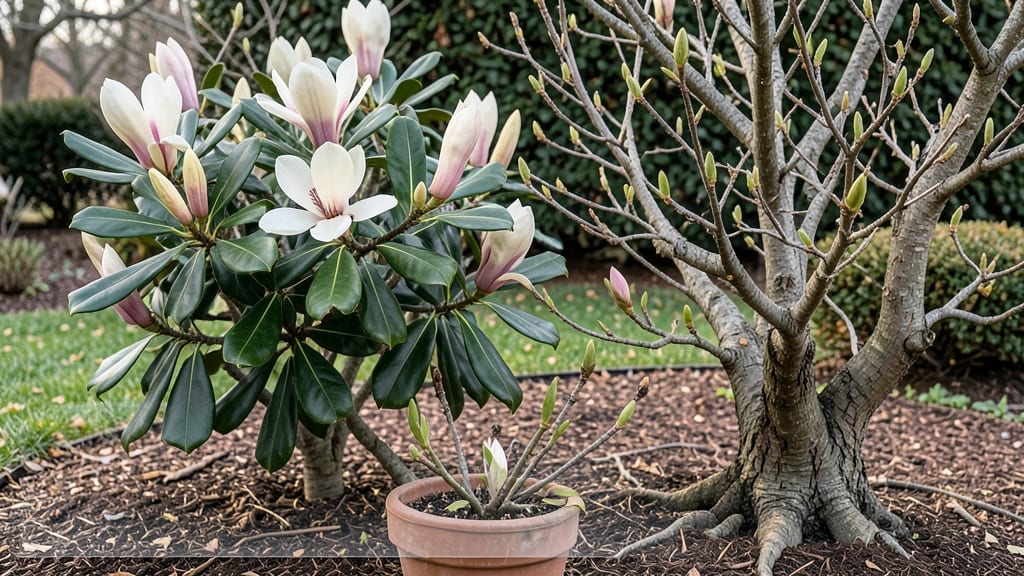
Why doesn’t my magnolia tree flower? The answer might be hiding in plain sight—age, pruning mistakes, or sunlight issues are the top culprits. 🌸 I’ve seen mature trees suddenly burst into bloom after just one adjustment, and the solution is often simpler than you’d think. The key is understanding whether your tree needs patience, better care, or a little strategic pruning to wake up its dormant buds.
Most magnolias need 5-10 years to flower, but even older trees can skip blooms if they’re stressed. Over-pruning, wrong timing, or too much shade can trick the tree into focusing on leaves instead of flowers.
The good news? Correcting these mistakes often leads to abundant blooms the following spring. Start by checking sunlight—magnolias crave 6+ hours of direct light daily—and avoid heavy pruning in late summer or fall.
Once you pinpoint the issue, the fixes are straightforward: adjust pruning to early spring, fertilize with low-nitrogen, high-phosphorus food, and protect from pests like scale or borers.
A well-timed deep watering in drought months can also trigger blooms. Within a season, you’ll see buds forming where there were none before.
Seasonal timing matters—prune right after flowering (never in fall) and avoid heavy cuts that remove next year’s bloom buds. With these tweaks, your magnolia could be covered in fragrant blooms by next spring. Let’s troubleshoot step by step!
The Hidden Reasons Behind Bare Branches
If your magnolia tree is sporting lush green leaves but stubbornly refuses to bloom, the issue likely stems from one (or more) of these common biological or environmental triggers.
Understanding the science behind each cause is the first step to coaxing those stunning flowers into action. Let’s break it down:
Magnolias are slow growers—some varieties, like the Southern magnolia (Magnolia grandiflora), can take 5 to 10 years to reach full maturity and produce flowers.
Others, such as the star magnolia (Magnolia stellata), may bloom earlier (as young as 3–5 years), but they still need time to establish a robust root system and energy reserves.
Why it happens: Magnolia buds form in the previous year’s growth (a process called bud initiation) and require 2–3 seasons of stable conditions to fully develop. If your tree is still young, its energy may be focused on leaf and root growth rather than flowering. Additionally, dormant buds (those that form but don’t open) can remain viable for years, waiting for the right conditions to bloom.
Actionable fix:
- Patience is key! If your tree is under 5 years old, give it time. Focus on optimal care (water, soil, and nutrients) to speed up maturity.
- For older trees, check if bud blast (sudden bud death due to frost or disease) has occurred—this can reset the flowering cycle.
Magnolias are sensitive to pruning mistakes, and aggressive or poorly timed cuts can permanently disrupt flowering. The worst offenders? Pruning in late winter or early spring (when buds are forming) or removing too much old wood where next year’s flowers are already set.
Why it happens:
- Flower buds form on last year’s growth. If you prune back into old wood (branches >2 years old), you may sever the buds entirely.
- Over-pruning stresses the tree. Magnolias produce hormones like auxin and cytokinins that balance growth and flowering. Heavy pruning disrupts this balance, redirecting energy to new shoots instead of blooms.
- Ragged cuts or disease entry. Poor pruning techniques can invite bacterial or fungal infections (e.g., Phytophthora root rot), which weaken the tree’s ability to flower.
Actionable fix:
- Prune in late winter to early spring (after blooms fade but before buds swell). Never prune in fall or winter when buds are vulnerable.
- Use the “third cut rule.” Only remove branches where you can see at least 3 healthy buds remaining on the stem.
- Avoid “heading back” (cutting back to a stub). Instead, make clean cuts just outside a bud or branch collar.
Magnolias are particular about their conditions, and even minor stressors can trigger a defensive response—prioritizing survival over reproduction. Common culprits include:
| Stressor | Why It Stops Flowers | Fix It |
|---|---|---|
| ❄️ Late Frost | Magnolia buds are frost-sensitive. A late spring freeze can kill emerging buds before they open, signaling the tree to abort flowering for the season. | Plant in a microclimate (e.g., near a south-facing wall) to delay bud opening. Use frost cloth if frost is forecasted. |
| ☀️🌡️ Too Much Sun or Heat | Southern magnolias, in particular, wilt in intense heat (above 90°F). Stress from transpiration (water loss) diverts energy away from bud development. | Provide afternoon shade (especially in hot climates). Mulch heavily to retain moisture. |
| 💧 Water Stress | Both drought and overwatering disrupt nutrient uptake. Magnolias need consistent moisture (1–2 inches per week) to support bud formation. | Water deeply but infrequently (1–2 times per week in dry spells). Improve drainage if soil is soggy. |
| 🌿 Poor Soil or pH Imbalance | Magnolias thrive in acidic, well-draining soil (pH 5.0–6.0). Alkaline soil (pH >7.0) locks out iron and manganese, causing chlorosis (yellow leaves) and weak bud development. | Test soil pH and amend with sulfur or peat moss if needed. Add organic matter (compost) for fertility. |
Hidden invaders can sap your magnolia’s energy, leaving it too weak to flower. Common offenders include:
- Magnolia Scale (🐜): These sap-sucking insects excrete honeydew, which fosters sooty mold—blocking sunlight and stressing the tree. Heavy infestations can stunt growth by 30–50%.
- Root Rot (🍄): Caused by Phytophthora fungi in waterlogged soil, this disease decays roots, preventing nutrient and water uptake needed for bud formation.
- Verticillium or Fusarium Wilt (🌡️): These vascular diseases clog the tree’s xylem (water transport system), leading to wilting and leaf drop—and no energy for flowers.
Why it happens:
- Pests and diseases create systemic stress. The tree’s abscisic acid (a stress hormone) spikes, inhibiting flowering to conserve resources.
- Leaf loss reduces photosynthesis. Fewer leaves mean less glucose production, which is critical for bud development.
Actionable fix:
- Inspect leaves and bark for scale, webbing, or fungal spots. Treat with neem oil or horticultural oil for pests; fungicides for diseases.
- Improve air circulation by pruning dense foliage and avoiding overhead watering.
- For root
Revive Your Magnolia’s Blooms
Now that you know why your magnolia tree might be skipping its floral show, let’s roll up our sleeves and get to work! 🌸 The good news? Most of these fixes are simple, cost-effective, and can bring your tree back to its show-stopping glory.
Below, we’ve mapped out practical solutions for each common cause—plus prevention tips to keep your magnolia thriving for years to come.
If your magnolia is still in its "teenage years," patience is key. Most magnolias take 3–10 years to mature enough to bloom, depending on the variety. While you wait, give it the best care possible to speed up the process.
How to Fix It:
- ⏳ Give it time – Avoid pruning or stressing the tree while it’s young.
- 💧 Water deeply but infrequently – Magnolias hate soggy roots but need consistent moisture. Water 1–2 times per week (more in extreme heat or drought).
- 🌿 Feed with patience – Apply a balanced, slow-release fertilizer (like 10-10-10) in early spring before new growth starts. Avoid high-nitrogen fertilizers—they promote leaves over flowers.
- ☀️ Ensure full sun – Most magnolias need 6+ hours of direct sunlight daily. If yours is in shade, consider transplanting (carefully!) to a sunnier spot.
💡 Pro Tip: Southern magnolias (Magnolia grandiflora) often bloom later (ages 5–10), while smaller varieties like Magnolia stellata may flower as early as 3 years old. Check your tree’s tag for clues!
Magnolias are sun-worshippers, and insufficient light is a top reason they skip blooming. If your tree is tucked in the shade of taller plants or a building, it might be struggling to produce flowers.
How to Fix It:
- 🌿 Prune nearby competitors – Trim back overgrown shrubs, trees, or ivy blocking sunlight. Aim for at least 6 hours of direct sun for optimal blooming.
- 🔄 Consider relocating (if possible) – If your magnolia is permanently shaded, transplanting to a sunnier spot may be necessary. Best time to move: Late winter or early spring while the tree is dormant.
- 🌞 Supplement with grow lights (temporary fix) – For potted magnolias, a full-spectrum LED grow light (12–14 hours/day) can help encourage blooming in low-light conditions.
🌡️ Pro Tip: If you’re unsure about sunlight, observe your tree’s leaves. Yellowing or sparse foliage often signals light deprivation.
Magnolias despise "wet feet"—too much moisture can suffocate roots and prevent flowering. Conversely, drought stress can also halt blooms. Goldilocks rule applies: not too much, not too little.
How to Fix It:
- 🚰 Check drainage – If your tree is in a low spot or clay-heavy soil, amend the soil with compost or sand to improve aeration. For potted magnolias, ensure pots have drainage holes.
- 💧 Adjust watering habits –
- Overwatered? Let the top 2–3 inches of soil dry out between waterings.
- Underwatered? Water deeply until moisture reaches 12 inches down, then reduce frequency.
- 🌱 Mulch properly – Apply 2–3 inches of organic mulch (like pine bark or shredded leaves) around the base (but keep it 6 inches away from the trunk to prevent rot).
✨ Pro Tip: Stick your finger 2 inches into the soil—if it’s damp, wait to water. If it’s bone-dry, it’s time to hydrate!
Pruning at the wrong time or too aggressively can stress your magnolia and delay—or even prevent—flowering. Magnolias bloom on old wood, so heavy pruning can remove next year’s flower buds.
How to Fix It:
- ⏰ Prune at the right time –
- After blooming (late spring/early summer) is the only safe time to prune.
- Never prune in fall or winter—this can stimulate new growth that won’t harden off before cold snaps.
- 🔪 Use the right technique –
- Remove dead, diseased, or crossing branches first.
- Avoid "topping" (cutting back to a stub)—this stresses the tree.
- For shaping, prune no more than 25% of the canopy in one season.
- 🌿 Thin out, don’t shear – Magnolias have delicate, glossy leaves; avoid harsh, geometric cuts.
💡 Pro Tip: If you’ve over-pruned in the past, don’t panic. Magnolias are resilient—just focus on light, water, and fertilizer to help it recover.
Magnolias are temperature-sensitive. Too much heat, cold, or sudden swings can shock the tree and halt blooming. If your region has late frosts, scorching summers, or brutal winters, your tree might be playing it safe by skipping flowers.
How to Fix It:
- 🌬️ Shield from late frosts – If your area gets spring frosts after buds form, cover young buds with frost cloth or a lightweight blanket on chilly nights.
- 🌞 Beat the heat –
- Morning watering helps cool the soil.
- Provide afternoon shade (like a lightweight shade cloth) during extreme heatwaves.
- ❄️ Winterize young trees – Mulch heavily around the base and wrap the trunk with burlap or tree guard in harsh winters to prevent frost cracks.
🎯 Pro Tip: Some magnolia varieties (like Magnolia × soulangeana) are more frost-tolerant than others. If you’re in a cold climate, choose hardy cultivars like ‘Elizabeth’ or ‘Ann’.
Pests like magnolia scale, borers, or fungal diseases (like powdery mildew) can weaken your tree, diverting energy away from flowering. If your magnolia looks wilting, spotted, or has sticky residue, pests may be the culprit.
How to Fix It:
- 🔍 Identify the problem –
- Scale insects? Look for white bumps on branches or sticky "honeydew" on leaves.
- Borers? Check for sawdust-like frass near the trunk or exit holes.
- Fungal issues? Spot white powder (mildew) or black spots on leaves.
- 💊 Apply targeted treatments –
- For scale/borers: Spray with neem oil or horticultural oil in early spring (before buds open).
- For mildew: Use a copper fungicide or baking soda spray (1 tsp baking soda + 1 quart water + a drop of dish soap).
- 🌿 Encourage natural predators – Ladybugs and lacewings love eating magnolia pests. Plant companion flowers (like marigolds) nearby to attract them.
🔥 Pro Tip: Prevention is key! Apply dormant oil spray in late winter to smother overwintering pests before they wake up.
If your magnolia’s leaves are yellowing, stunted, or falling early, it might be starving for key nutrients. Over-fertilizing with nitrogen can also prevent flowering by encouraging leafy growth over blooms.
How to Fix It:
- 🌿 Test your soil – A simple soil test kit (available at garden centers) can tell you if your tree needs phosphorus (for blooms), potassium, or micronutrients.
- 💪 Fertilize for flowers –
- Use a low-nitrogen, high-phosphorus fertilizer (like **5-10-10 or 3
Frequently asked questions
How old does a magnolia tree need to be before it flowers?
Most magnolia varieties take 3-10 years to mature enough for flowering, depending on the species. Southern magnolias (Magnolia grandiflora) often bloom later (ages 5-10), while smaller varieties like star magnolia (Magnolia stellata) may flower as early as 3 years old. Patience is key—focus on proper care to encourage early blooming.
Can pruning my magnolia tree make it flower more?
Pruning can actually prevent flowering if done incorrectly! Magnolias bloom on old wood, so avoid heavy pruning in late winter or early spring when buds form. Instead, prune after flowering (late spring/early summer) and never remove more than 25% of the canopy at once. Thin out dead branches rather than shearing.
Why do my magnolia buds form but never open?
This often happens due to late frost damage or bud blast (sudden cold snaps). Magnolia buds are frost-sensitive, so if they form but don't open, they may have been damaged by spring freezes. Protect emerging buds with frost cloth or plant in a microclimate (like near a south-facing wall) to delay bud opening until after frost danger passes.
What's the best fertilizer for encouraging magnolia flowers?
Use a low-nitrogen, high-phosphorus fertilizer (like 5-10-10 or 3-4-6 ratio) in early spring to promote blooming. Avoid high-nitrogen fertilizers—they encourage leafy growth at the expense of flowers. Apply fertilizer when new growth begins, and water thoroughly afterward to prevent root burn.
Can I force my magnolia to flower if it's not getting enough sun?
Magnolias need 6+ hours of direct sunlight daily to produce flowers. If your tree is shaded, try pruning nearby competitors or relocating it to a sunnier spot. For potted magnolias, supplement with a full-spectrum LED grow light (12-14 hours/day) to encourage blooming. Yellowing leaves often signal light deprivation.