
Pruning
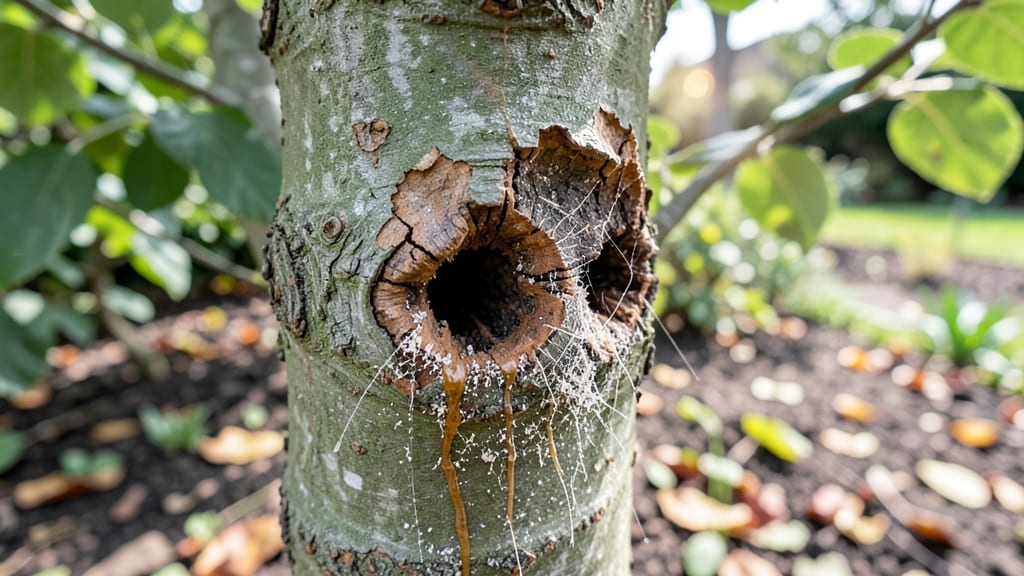
Apple tree borer damage turns your once-thriving orchard into a sad, sawdust-speckled mess. 🌳 I’ve watched these pests chew through bark, leaving branches wilting like a forgotten houseplant—until I learned the targeted fix that actually works.
The key isn’t just reacting when you spot holes; it’s understanding their sneaky lifecycle and hitting them at the right time.
These borers start as tiny larvae hiding under loose bark or inside fresh pruning wounds. By summer, they’re tunneling through the tree’s life-support system, and by fall, you’ve got sawdust piles at the base of the trunk and branches that snap like dry twigs.
The damage isn’t just cosmetic—it’s a slow-motion death sentence for your tree if you don’t act fast.
Here’s the good news: with pruning, traps, and a few strategic treatments, you can stop the spread before they take over.
I’ll show you how to identify their hiding spots, when to prune (and how to do it right), and which organic sprays actually work—plus the one trick that keeps them from coming back next season.
Whether you’re dealing with a single branch or a full-blown infestation, this method saves trees every year. Let’s get your apple tree back to healthy, fruit-bearing glory—without losing another branch to these silent destroyers.
Root Causes Of Tree Stress
Apple tree borers don’t randomly attack healthy trees—they target weak ones. Understanding the underlying reasons helps you prevent infestations before they start. Below are the key factors that make your apple tree vulnerable, explained in scientific detail with actionable insights.
Borers thrive in trees under stress, and nutrient-poor soil is a primary trigger. Apple trees require balanced levels of nitrogen (N), phosphorus (P), and potassium (K), along with micronutrients like calcium, magnesium, and boron. When these are lacking:
- Weakened bark: Low calcium leads to thin, brittle bark—an easy entry point for borer larvae.
- Reduced sap flow: Phosphorus deficiency slows root and shoot growth, making the tree’s vascular system sluggish. Borers exploit this by tunneling into slow-moving sap, reducing the tree’s ability to "starve" them out.
- Increased susceptibility to pests: Potassium deficiency weakens the tree’s natural defenses, including phenolic compounds that deter borers.
Actionable fix: Test your soil (pH 6.0–7.0 is ideal for apple trees) and amend with:
- Compost or well-rotted manure (for organic matter)
- Slow-release fertilizer (e.g., 10-10-10 or 5-10-10 NPK ratio)
- Lime (if soil is acidic) or sulfur (if alkaline)
Borers are opportunistic. Any physical damage—whether from pruning, storms, or wildlife—creates entry points. The apple tree borer (Saperda candida) and roundheaded apple tree borer (Anoplophora spp.) specifically target:
- Improper pruning cuts: Jagged or torn bark (instead of clean cuts) invites larvae to burrow in. Borers prefer fresh wounds where the tree’s protective callus hasn’t yet formed.
- Storm or hail damage: Broken branches expose the cambium layer, which borers detect via volatile organic compounds (VOCs) released during cell damage.
- Animal gnawing: Deer, rabbits, or rodents chewing bark leave rough edges that borers exploit.
Actionable fix: Always follow these pruning best practices:
- ✂️ Use sharp tools to make clean cuts at a 45° angle, ¼" above a bud or branch collar.
- 🌿 Seal large wounds (>2" diameter) with pruning sealant (beeswax-based) within 24 hours.
- 🐇 Install tree guards or fencing to deter wildlife.
Trees already compromised by other pests or diseases are prime targets for borers. Here’s how it works:
- Codling moths & aphids: These sap-sucking insects stress the tree by reducing photosynthesis. Weakened trees produce less resin (a natural borer deterrent).
- Fire blight (Erwinia amylovora): This bacterial disease causes necrotic cankers, which borers colonize. The bacteria’s cellulose-degrading enzymes soften the wood, making it easier for larvae to tunnel.
- Root rot (Phytophthora spp.): Fungal infections in the roots disrupt nutrient transport, leading to stunted growth and thin bark—an open invitation for borers.
Actionable fix: Proactively manage these threats:
- 🍎 Apply neem oil or horticultural oil to smother aphids and young codling moths.
- 🔥 Prune out fire blight cankers during dormant season and sterilize tools with 70% alcohol.
- 🌧️ Improve drainage to prevent root rot (raise beds or add compost).
Dense plantings or shaded apple trees create the perfect storm for borer infestations. Why?
- High humidity: Poor airflow traps moisture, creating ideal conditions for borer egg-laying (females prefer damp bark).
- Competition for resources: Overcrowded trees allocate energy to survival over defense, reducing resin production.
- Thinning canopy: Shaded branches produce weaker wood with lower lignin content, making them easier for larvae to penetrate.
Actionable fix: Optimize your orchard’s layout:
- 🌿 Thin trees to allow 6–10 feet between trunks (depending on variety).
- ☀️ Prune to open the canopy for sunlight penetration (aim for 70–80% light exposure).
- 💨 Use spacers or trellises to improve airflow in young trees.
Key takeaway: Borer damage is a symptom, not the root cause. By addressing soil health, physical stress, prior infestations, and environmental factors, you remove the invitation for these pests to move in. Next, we’ll cover how to spot early signs before it’s too late.
Fixing Apple Tree Borer Issues
Now that you understand the causes behind apple tree borer damage, it’s time to take action. These pests can weaken or even kill your tree if left unchecked, but with the right approach, you can restore its health and prevent future infestations.
Below are targeted solutions tailored to the root causes of borer damage, along with proactive prevention tips to keep your tree thriving.
The key to minimizing damage is acting fast. If you spot signs like sawdust-like frass, oozing sap, or wilting branches, inspect your tree immediately.
👨🔧 How to Check for Borers:
- Look for exit holes (round or D-shaped) in the bark—these are telltale signs of adult borers emerging.
- Tap the trunk with a hammer or stick; a hollow sound may indicate tunneling inside.
- Peel back bark (gently!) in suspicious areas to spot larvae or eggs.
Pro Tip: 💡 Use a flashlight and magnifying glass for a closer look—borers are sneaky, but you can spot them with the right tools!
For small infestations, manual removal can be highly effective. Here’s how:
⏰ Best Time to Act: Late winter or early spring (when borers are dormant or just emerging).
🔪 Step-by-Step Removal:
- Locate the holes—mark them with a pencil for accuracy.
- Use a screwdriver or ice pick to poke into the holes and kill larvae inside.
- Apply undiluted rubbing alcohol or soapy water to the holes—this suffocates any remaining larvae.
- Seal the holes with tree wound dressing or pruning sealant to prevent re-entry.
Warning: ⚠️ Avoid over-pruning or stripping bark—this stresses the tree and makes it more vulnerable.
For severe infestations, chemical interventions may be necessary. Here are the most effective options:
| Treatment | How to Apply | Best For | Safety Notes |
|---|---|---|---|
| Systemic Insecticide (e.g., Imidacloprid) | Mix with water and soak the soil around the tree’s drip line. | Early-stage infestations (larvae feeding on roots). | Avoid overuse—follow label instructions. |
| Borer-Specific Spray (e.g., Permethrin or Bifenthrin) | Spray directly into holes or on bark during emergence season (late spring/early summer). | Adult borers or visible larvae. | Wear gloves and avoid spraying on fruit. |
| Borax or Diatomaceous Earth | Mix borax with water (1 tbsp per gallon) and inject into holes or dust diatomaceous earth around the base. | Organic-friendly control (kills larvae on contact). | Avoid overapplying—can harm beneficial insects. |
Pro Tip: 🎯 Timing is everything! Apply sprays when borers are active (usually May-June for most regions).
The best defense is a healthy tree. Borers target weak or stressed trees, so focus on proactive care:
💪 Tree Care Essentials:
- Water deeply but infrequently—borers love drought-stressed trees. Aim for 1-2 inches of water per week.
- Mulch properly—keep mulch 3-4 inches thick but not touching the trunk to prevent moisture buildup.
- Prune correctly—remove dead or diseased branches in late winter/early spring to reduce entry points.
- Encourage natural predators—birds, parasitic wasps, and woodpeckers feed on borers. Install birdhouses or bat boxes nearby.
Pro Tip: ✨ Plant companion species like rosemary, mint, or garlic near your tree—their scents can deter borers naturally!
Borers lay eggs in cracks, wounds, or old pruning cuts, so minimize their hiding spots:
- Seal fresh pruning wounds with pruning paint or sealant.
- Avoid over-fertilizing—excess nitrogen attracts borers.
- Inspect trees annually—catch early signs before they spread.
- Remove infested wood—burn or chip heavily damaged branches to prevent reinfestation.
By combining early detection, manual removal, targeted treatments, and preventive care, you can save your apple tree and keep borers at bay for good. 🍏🌿 Stay vigilant, and your tree will reward you with years of healthy fruit!
Frequently asked questions about apple tree borer damage
What do apple tree borer holes look like?
Look for round or D-shaped holes in the bark, about 1/8" to 1/4" wide. These are where adult borers emerge. You might also see sawdust-like frass (fecal matter) piled around the holes or oozing sap from the wounds. Check the trunk and major branches during late spring or early summer when borers are most active.
Can my apple tree recover from borer damage?
Yes, but it depends on how severe the damage is. If borers have only tunneled into small branches, the tree can often recover with proper care. For major trunk damage, recovery is less likely, but you can prune out infected areas and treat remaining parts to prevent spread. Focus on keeping the tree healthy with proper watering, fertilization, and pest management.
What's the best time of year to treat apple tree borers?
The ideal time is late winter or early spring (before borers become active) or late spring/early summer (when adults emerge). For chemical treatments, apply sprays during May-June when borers are most vulnerable. Manual removal works best in dormant season when larvae are less mobile. Timing is critical—miss the window, and you risk more damage.
Are there natural ways to control apple tree borers?
Try these organic methods first:
- Parasitic wasps (like Spilochalcis bruchophaga) naturally prey on borer larvae. Introduce them by planting nearby flowers.
- Woodpeckers love borers—install birdhouses to attract them.
- Neem oil or kaolin clay can deter adult borers when sprayed on bark.
- Beneficial nematodes (like Steinernema carpocapsae) target larvae in soil. These methods work best as part of an integrated pest management plan.
How do I know if my tree has a borer infestation or just normal wear?
Normal wear shows as small cracks, peeling bark, or minor branch dieback without frass or holes. Borer damage has these red flags:
- Sawdust-like piles at the base of the trunk or branches
- Wilting or dying branches that snap easily
- Oozing sap from fresh holes
- Hollow-sounding wood when tapped Tap suspect areas and inspect closely—borers leave unmistakable signs! If you see multiple holes, act fast before the infestation spreads.