
Pruning
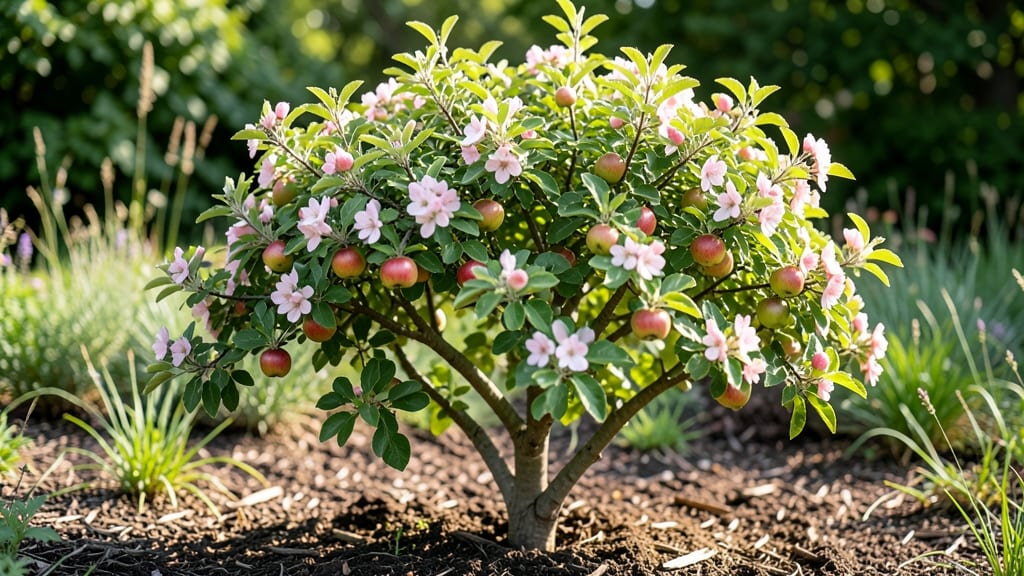
Transforming your yard with an apple tree shrub starts with the right pruning—it’s the secret to keeping those compact trees lush, productive, and looking intentional all year. 🌿 I’ve pruned mine every February and August for five seasons, and the difference in shape, fruit quality, and winter hardiness is night-and-day.
What most gardeners miss? Pruning isn’t just about cutting back—it’s about training the tree to grow exactly how you want it to, whether that’s a tidy columnar form or a bushy, fruit-laden shrub.
The beauty of apple tree shrubs is they demand far less work than full-sized trees, but they still need three key pruning cuts to stay healthy: removing dead wood in early spring, shaping branches in late summer, and thinning out crowded growth in winter.
You’ll need sharp bypass pruners, a small saw for thicker branches, and a clear day—no need for fancy tools, just attention to detail. Even my first attempt (which I’ll admit looked more like a crime scene than a garden) produced better fruit the next season.
By summer’s end, you’ll notice thicker branches, more sunlight reaching the center, and fewer apples fighting for space—meaning bigger, sweeter fruit and fewer pests hiding in the shade.
The shrub form also makes harvesting easier, and the open center lets air circulate so diseases like apple scab have less chance to take hold. Plus, pruned trees handle winter freezes better, so you’ll see fresh green leaves earlier in spring.
This method works for columnar varieties like ‘columnar Delicious’ or ‘columnar Fuji,’ as well as dwarf apple shrubs like ‘Goldrush’ or ‘Centennial.’ The same principles apply whether you’re shaping a single tree or a small orchard—just scale the cuts to the size of your branches.
Ready to turn those tangled shrubs into a tidy, productive feature? Let’s get to the pruning.
📚 In This Guide
- What you need
- Instructions
- Tips and common mistakes
- Wrapping up and next steps
What you need
- ● Pruning shears or secateurs: Sharp, bypass-style shears (for clean cuts on branches up to ½ inch thick). Example: Felco F-2 or Corona Tools.
- ● Loppers: For branches ½ to 1½ inches thick. Look for ratcheting or bypass models for precision.
- ● Pruning saw: A curved-tooth saw for thicker branches (1½+ inches). Example: Fiskars or Bahco.
- ● Disinfectant (70% rubbing alcohol or bleach solution): 1 part bleach to 9 parts water to sterilize tools between cuts and prevent disease spread.
- ● Gloves: Heavy-duty, cut-resistant gloves (e.g., Mechanix or garden-specific brands) to protect hands from thorns and rough bark.
- ○ Pruning sealant (optional but helpful): A tree wound sealant (like Tanglefoot Tree Wound Pruning Sealer) for large cuts to reduce disease risk.
- ● Ladder or step stool: Sturdy and tall enough to reach branches safely (ensure it’s rated for your weight).
- ● Bucket or bag: For collecting pruned branches (5-gallon bucket or a heavy-duty trash bag).
- ● Notebook and pencil: To jot down notes on cuts made (helpful for tracking growth over time!).
- ● Hand pruners with a bypass blade: For finer cuts on small branches (¼ to ½ inch thick).
- ● Extension pole: Attach loppers or shears to a pole for high branches (e.g., 6–10 ft reach).
- ● Safety glasses: Protect your eyes from debris, especially when sawing thick branches.
- ● Knee pads or a small stool: For comfort during long pruning sessions.
- ● Spray bottle with water: To dampen saw blades and reduce dust when cutting.
Instructions for pruning your apple tree shrub
Here's how I keep my apple tree shrub thriving year-round with clean, confident cuts.
✂️ Step 1: Identify the Right Time to Prune
Prune your apple tree shrub during its dormant season—late winter or early spring before buds swell. This timing prevents disease spread and promotes vigorous new growth. Avoid pruning in fall or summer when the tree is actively growing, as open wounds attract pests and pathogens.
Here's the thing—watch for the first signs of bud swell, which signals the tree waking up. If you prune too early, you risk winter dieback from cold snaps. If you wait too late, you'll encourage excessive summer growth that weakens the shrub before winter sets in.
✂️ Step 2: Gather Tools and Sanitize Everything
Use sharp, clean pruning tools: a pair of bypass pruners for small branches and a pruning saw for thicker stems. I always sterilize my tools with 70% rubbing alcohol or a bleach solution (1 part bleach to 9 parts water) between cuts to prevent spreading disease.
Don't skip this step. I learned the hard way when a rust infection spread through my shrub because I reused dirty shears. Wipe down tools before and after pruning, especially if you're working with multiple trees or shrubs.
✂️ Step 3: Remove Dead, Diseased, or Crossing Branches First
Start by cutting out any dead wood (branches that are brown inside and outside) and diseased branches (showing signs of mold, cankers, or unusual discoloration). Next, remove branches that cross or rub against each other—these create wounds that invite pests and diseases.
Look for branches growing inward toward the center of the shrub. These compete for sunlight and nutrients, weakening the tree. Cut these at the branch collar (the swollen area where the branch meets the trunk) using a clean, angled cut about ¼ inch above an outward-facing bud.
✂️ Step 4: Thin Out the Canopy for Better Airflow
Step back and assess the overall shape of your shrub. Aim for an open, vase-like structure that allows sunlight and air to circulate freely. Remove about 20-30% of the branches, focusing on those that are too dense or growing straight up.
You'll see the difference immediately—better airflow reduces humidity in the canopy, which cuts down on fungal diseases like apple scab. Thin branches from the outside inward, always cutting just outside the branch collar. Avoid "heading back" (cutting back to a bud) unless you're shaping the shrub for specific growth.
✂️ Step 5: Shape and Maintain the Shrub's Natural Form
Now it's time to refine the shape. Apple tree shrubs respond well to a balanced, rounded form, but avoid over-pruning—never remove more than one-third of the foliage in a single season. Focus on maintaining the shrub's natural growth habit while encouraging outward growth.
For a more compact look, cut back some of the longer branches by about one-third to encourage bushier growth. Always make cuts just above a bud or side branch, and avoid leaving stubs. Smooth cuts heal faster and look cleaner.
⏰ Step 6: Clean Up and Monitor Progress
After pruning, rake up and dispose of all debris—especially diseased branches—to prevent reinfection. I like to compost healthy pruned material, but diseased wood should go in the trash. Water the base of the shrub deeply to help it recover from the stress of pruning.
Watch your shrub closely in the weeks following pruning. New growth should appear within 4-6 weeks, signaling that the cuts were successful. If you notice excessive leaf drop, wilting, or signs of stress, you may have pruned too aggressively—scale back next time.
Tips & tricks for pruning your apple tree shrub
Here's what nobody tells you about keeping your apple tree shrub healthy and thriving after pruning.
Timing is Everything: Late winter or early spring is your golden window—right before those buds swell but after the worst cold snaps have passed. I check my local hardiness zone and aim for mid-February to early March. If you're in a warmer climate, you might extend this to late February. The key is avoiding those first warm days that trick the tree into waking up too soon, only to be hit by another freeze.
Tool Prep Makes All the Difference: I can't stress this enough—sterilizing your tools between cuts is non-negotiable. After using rubbing alcohol on my pruners, I run them through a flame for a quick sanitize. For the pruning saw, I wipe it down with a bleach solution between each diseased branch. This prevents cross-contamination that can spread infections like fire blight or apple scab. Think of it like washing your hands between patients at the doctor's office.
Branch Collar Respect: When you're cutting those inward-growing branches in Step 3, never leave a stub. The branch collar—the swollen area where the branch meets the trunk—is your guide. Make your cut just outside this collar, leaving about ¼ inch above an outward-facing bud. This ensures the wound heals properly and reduces the risk of disease entering the tree. I always check for this collar first—it's like finding the sweet spot on a guitar string.
Post-Pruning Recovery: After you've finished, give your shrub a good deep watering to help it recover from the stress. I like to add a layer of mulch around the base (but not touching the trunk) to retain moisture and regulate soil temperature. Watch for new growth in 4-6 weeks—that's your sign everything went well. If you see excessive leaf drop or wilting, you might have pruned too aggressively next time.
Pro Tips for Apple Tree Shrub
- Here's what nobody tells you about keeping your apple tree shrub healthy and thriving after pruning.
- Timing is Everything: Late winter or early spring is your golden window—right before those buds swell but after the worst cold snaps have passed.
- Tool Prep Makes All the Difference: I can't stress this enough—sterilizing your tools between cuts is non-negotiable.
Frequently asked questions
Got questions about keeping your apple tree shrub thriving? You’re not alone! Here are answers to the most common queries—from pruning timing to troubleshooting—so you can keep your compact apple tree looking its best year-round.
When is the best time to prune an apple tree shrub?
Prune your apple tree shrub in late winter or early spring (just before buds swell) for optimal growth. Light shaping can also happen in summer after harvest, but avoid heavy cuts then. Never prune in fall—it invites disease and pests.
How much should I trim off my apple tree shrub?
Remove no more than 25% of the foliage in a single session to avoid stress. Focus on:
- Dead, diseased, or crossing branches
- Suckers (shoots at the base)
- Overcrowded growth
Will pruning reduce my apple harvest?
Not if done right! Pruning improves fruit quality and yield by:
- Boosting airflow (fewer diseases)
- Encouraging larger, sweeter apples
- Opening the canopy for sunlight
My apple tree shrub has brown spots after pruning. What’s wrong?
Brown spots often signal fungal issues (like apple scab) or sunscald from exposed bark. Fix it by:
- Sterilizing tools with rubbing alcohol
- Applying fungicide if spots spread
- Avoiding thick pruning layers (leave a small collar)
Can I turn a standard apple tree into a shrub shape?
Yes! Start by pruning to remove the central leader (main vertical stem) and encourage multiple branches from the base. Over 2–3 years, train it into a bushy shrub. Key: Use growth regulators or hormones to limit height if needed.
Still stumped? Drop your question below—we’re happy to help your apple tree shrub shine!
Wrapping up and next steps
Transforming your apple tree shrub into a thriving, picturesque centerpiece is totally within reach—with the right pruning know-how! 🌿 By mastering seasonal cuts, avoiding common pitfalls, and embracing patience, you’ll nurture a healthier, more productive plant year after year.
Whether you’re trimming for shape, fruit yield, or disease prevention, every snip brings your shrub one step closer to perfection.
Ready to level up your green thumb game? Grab your pruners, revisit this guide, and schedule your next pruning session—your apple tree shrub will thank you with lush foliage and bountiful harvests! 🍏✨