
Pruning
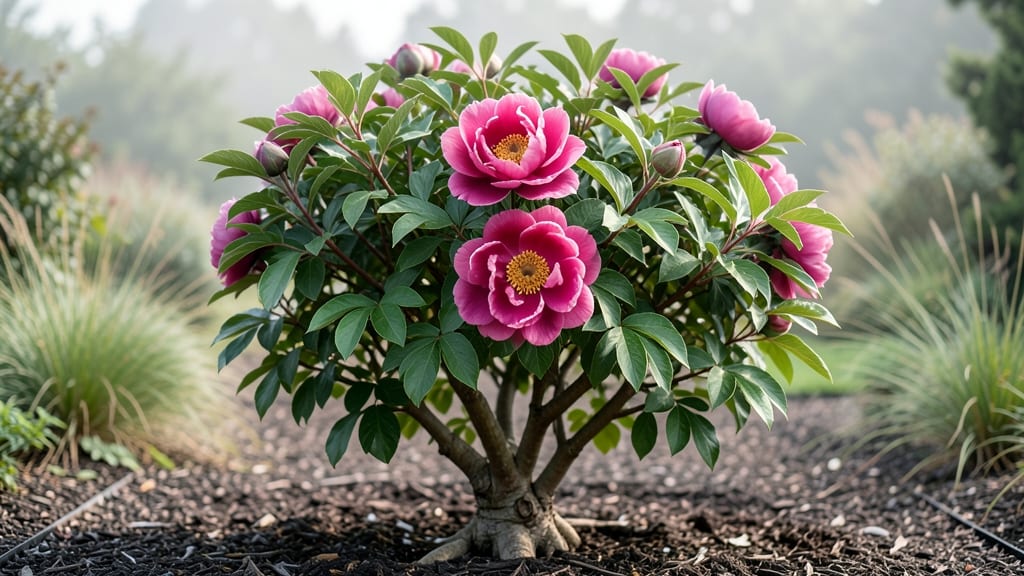
The paeonia tree peony blooms like living art—bold, fragrant, and shockingly long-lasting—but only if you prune them right. 🌸 I’ve watched my own wither after aggressive cuts, then thrive after learning the delicate balance between encouragement and restraint.
The secret isn’t just when to trim; it’s how—and timing matters more than most gardeners realize.
These peonies thrive in full sun to partial shade (6+ hours daily) and well-draining soil with a pH of 6.0–7.5. Plant in early fall or late winter when the ground is workable but not frozen—this gives roots time to establish before summer heat.
Space them 6–10 feet apart to prevent overcrowding, and dig holes twice as wide as the root ball but no deeper than the top of the roots.
Pruning is where most gardeners stumble. Never cut back more than 1/3 of the plant—tree peonies store energy in their stems, and aggressive pruning starves them. Instead, trim dead or crossing branches in early spring (just above a bud) and lightly shape after blooming.
Fertilize lightly in early spring with balanced 10-10-10—too much nitrogen leads to lush foliage but fewer flowers.
The payoff? Stunning blooms for decades with minimal effort. My 10-year-old tree peony still produces foot-wide blooms every spring, and the fragrance lingers for hours. Avoid these mistakes: overwatering (they hate soggy roots), pruning too late (after mid-summer), or planting too deep (the crown must stay above soil level).
Master these basics, and your tree peony will reward you with years of drama-worthy blooms.
📚 In This Guide
- What you need
- Instructions
- Tips and common mistakes
- Wrapping up and next steps
What you need
- ● Paeonia tree peony plant (choose a healthy, disease-free specimen—Paeonia suffruticosa is a popular variety!)
- ● Well-draining soil (mix of garden soil, compost, and perlite or sand for aeration)
- ● Pruning shears (sharp, clean, and sterilized—bypass pruners work best for precision cuts)
- ● Gloves (gardening gloves to protect hands from thorns and dirt)
- ● Fertilizer (balanced 10-10-10 or organic options like composted manure or bone meal)
- ● Mulch (2–3 inches of organic mulch, like wood chips or straw, to retain moisture)
- ● Watering can or hose (with a gentle spray nozzle for hydration)
- ● Pruning sealant (for larger cuts to prevent disease)
- ● Staking supports (if your tree peony is young or top-heavy)
- ● Soil pH tester (ideal pH for tree peonies: 6.0–7.5)
- ● Fungicide (preventative measure against powdery mildew or botrytis)
- ● Notebook or app (to track pruning dates and plant progress!)
Step-by-Step instructions for pruning tree peonies for year-round health
Here's the method I rely on to keep tree peonies blooming abundantly while preventing disease and maintaining strong growth.
✂️ Step 1: Time Your First Cut After Blooming
Wait until late summer or early fall—after the foliage has naturally yellowed but before the first hard frost—to perform your first major pruning. This timing ensures the plant has stored enough energy in its roots for next year's growth. I always prune after mid-September in my zone 6 garden, but adjust based on your local frost dates.
Use clean, sharp pruners to remove dead or crossing branches at their base. Cut at a 45-degree angle just above an outward-facing bud to encourage proper regrowth. Avoid heavy pruning—tree peonies bloom on old wood, so aggressive cuts now reduce next year's flowers. You'll notice the plant's natural structure becomes clearer after removing only the most problematic growth.
✂️ Step 2: Thin Out Overcrowded Stems in Late Winter
In late February or early March, before new growth begins, inspect your tree peony for weak or crowded stems. These compete for nutrients and reduce flower quality. I typically remove no more than 20-30% of the plant's stems—never more, or you risk stunting next season's blooms.
Select stems that are thinner than a pencil or growing directly into the center of the plant. Cut these at the base with your pruners, making sure to sterilize the blades with rubbing alcohol between cuts. This step prevents fungal issues by improving airflow. You'll see the remaining stems stand taller and stronger within weeks of new growth.
✂️ Step 3: Shape and Clean Up After Spring Blooms
Once blooming season ends—typically 6-8 weeks after flowers fade—it's time for light shaping. Remove any spent blooms by cutting the stem back to the nearest outward-facing bud. This redirects energy to foliage growth rather than seed production. I also trim any damaged or diseased branches immediately to prevent spread.
Shape the plant by selectively pruning branches that disrupt its natural form. Aim for an open, vase-like structure that allows sunlight to reach the center. Avoid heavy pruning—tree peonies respond poorly to drastic cuts. After shaping, apply a 2-inch layer of mulch around the base to retain moisture and regulate soil temperature.
🌱 Step 4: Maintain Year-Round with Preventative Cuts
Throughout the growing season, monitor your tree peony for suckers—vigorous shoots that emerge from the base. These divert energy from established stems. Remove suckers as soon as they appear by cutting them at the base. I check monthly during the growing season to stay ahead of this issue.
In early autumn, perform a final light pruning to remove any weak or leggy growth that developed during the season. This keeps the plant's energy focused on root development. Avoid pruning after mid-October, as new growth stimulated by late cuts won't harden off before winter. Your tree peony will reward you with stronger stems and more abundant blooms next year.
Tips & tricks for perfect tree peony pruning
These precision-focused tips will help you maintain your tree peonies' health and beauty while avoiding common pruning pitfalls.
Timing is Everything: The late summer/early fall window for your first major pruning (after mid-September in zone 6) is non-negotiable. I've learned this the hard way—pruning too early disrupts the plant's energy storage, while waiting too long risks winter damage. Check your local frost dates annually, as this timing varies by region. The goal is to prune after foliage yellows but before hard frost sets in.
Tool Preparation Matters: Sterilize your pruners between cuts using rubbing alcohol, especially in Step 2 when thinning crowded stems. I keep a small bottle of 70% isopropyl alcohol in my gardening toolkit for this purpose. Clean tools prevent fungal spread between branches, which is particularly important for tree peonies that already struggle with disease. Also, always use sharp pruners—they make cleaner cuts that heal faster and reduce stress on the plant.
Visual Pruning Cues: When shaping in Step 3, aim for that "open vase structure" by removing branches that grow inward. Think of it like creating a window—sunlight should reach the center of the plant. After pruning, hold your hand about 12 inches above the plant; if you can't see your fingers through the center, you need to remove more inward-growing branches. This simple visual check helps maintain proper airflow and light penetration.
Seasonal Maintenance Strategy: Create a pruning calendar with these key dates: late February/March for thinning (Step 2), 6-8 weeks after blooming for shaping (Step 3), and monthly checks for suckers during growing season (Step 4). I mark these dates on my garden planner and set phone reminders. This proactive approach prevents overcrowding and keeps your tree peony's energy focused on producing abundant blooms rather than maintaining unnecessary growth.
Pro Tips for Paeonia Tree Peony
- These precision-focused tips will help you maintain your tree peonies' health and beauty while avoiding common prunin...
- Timing is Everything: The late summer/early fall window for your first major pruning (after mid-September in zone 6) ...
- Tool Preparation Matters: Sterilize your pruners between cuts using rubbing alcohol, especially in Step 2 when thinni...
Frequently asked questions
about growing Paeonia tree peonies—because even the most stunning blooms come with a few common curiosities!When is the best time to prune my tree peony?
Prune your Paeonia tree peony right after flowering (late spring to early summer) to avoid cutting off next year’s buds. Never prune in fall or winter—this plant sets buds early, and harsh cuts can reduce blooms. Use clean, sharp tools and remove dead, crossing, or weak branches first.
Can tree peonies survive harsh winters?
Yes! Tree peonies are hardy in USDA zones 5-8 and tolerate cold well. For extra protection in colder climates, apply a 3-inch layer of mulch around the base after the ground freezes. Avoid heavy mulch in wet climates to prevent rot. Pro tip: Young plants benefit from winter wrapping with burlap.
Why aren’t my tree peonies blooming?
Lack of blooms often stems from over-pruning, poor sunlight (they need 6+ hours of sun), or young age (tree peonies take 3–5 years to mature). Check for bud blight (blackened buds) and ensure you’re not cutting back into old wood. If established, fertilize lightly in early spring with a balanced 10-10-10.
Can I grow tree peonies in containers?
Choose a large container (20+ gallons) with drainage holes and use a well-draining mix (60% soil, 30% compost, 10% perlite). Container-grown peonies need more frequent watering and may bloom less than in-ground plants. Move pots to a sheltered spot in winter if temperatures drop below 20°F.
What pests or diseases should I watch for?
Tree peonies are generally pest-resistant, but keep an eye out for:
- Peony leaf blight (brown spots) – Prune infected leaves and improve airflow.
- Aphids or spider mites – Spray with water or neem oil if noticed.
- Botrytis blight (gray mold) – Avoid overhead watering and remove debris.
Wrapping up and next steps
Transforming your garden with paeonia tree peonies is a rewarding journey that blends artistry with care! 🌸 By mastering precision pruning—whether it’s deadheading blooms, shaping growth, or winter prep—you’ll ensure vibrant flowers and lush foliage year after year.
The key? Patience and observation—your tree peony will thank you with stunning displays for decades.
Ready to elevate your gardening game? Start small: pick one pruning technique this season, track your progress, and watch your peony thrive! 🌱 Grab your pruners and get growing!