
Pruning
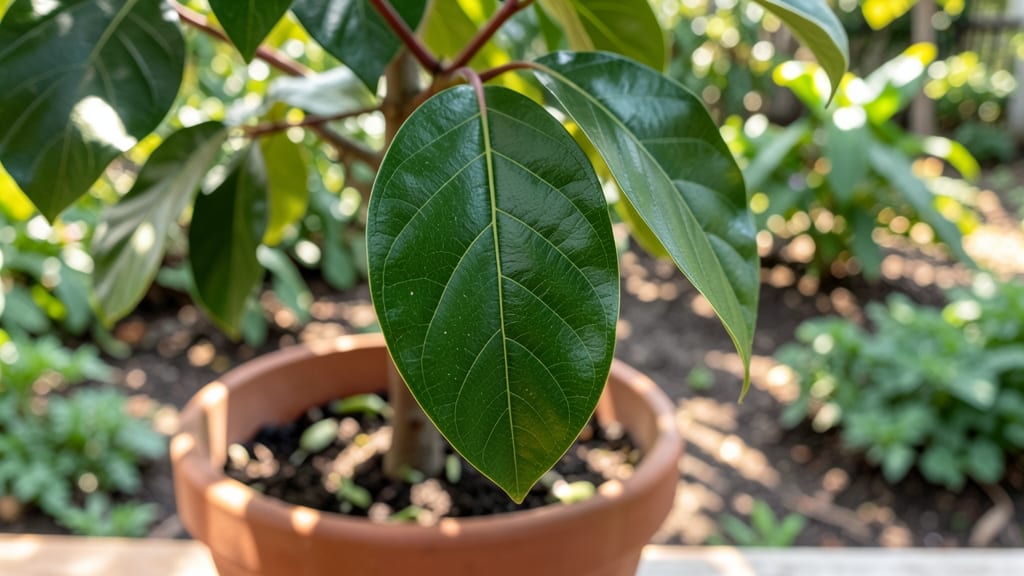
Avocado tree leaf identification is the first step to catching problems before they ruin your harvest. 🌿 I’ve spent years studying these glossy leaves—from the deep green of a thriving tree to the telltale signs of stress that often go unnoticed until it’s too late. A single yellow spot or curled edge can mean the difference between a healthy tree and one fighting for its life.
Healthy leaves are leathery, deep green, and grow symmetrically along the branches, while diseased or nutrient-deficient leaves tell a different story. Spider mites leave behind a fine webbing and stippled yellowing, scale insects create sticky residue, and fungal infections often start as brown spots with yellow halos.
Root rot, on the other hand, shows up as sudden wilting paired with yellowing leaves that start at the bottom of the tree.
By learning these visual cues, you’ll catch issues early—before they spread. A quick morning inspection can save your tree from pests, diseases, or even death. The key is acting fast: prune affected branches, adjust watering, or apply targeted treatments before the problem takes hold.
Prevention isn’t just about sprays; it’s about understanding what your tree is trying to tell you.
This guide breaks down the most common leaf problems with clear descriptions and actionable steps. Whether it’s a nutrient deficiency, pest infestation, or fungal infection, you’ll know exactly what to look for—and how to fix it. Let’s get your avocado tree back to healthy, vibrant growth.
Root Causes Behind Leaf Changes
Understanding why your avocado tree’s leaves change can help you diagnose issues early and take corrective action. Below are the most common reasons for leaf abnormalities, explained in clear, actionable terms.
---
Avocado trees are tropical and thrive in specific conditions—when those conditions shift, leaves react. Here’s how:
- Temperature Extremes 🌡️ Avocados prefer 60–85°F (15–29°C). Below 50°F (10°C), leaves may develop chlorosis (yellowing) or necrosis (brown, crispy edges) due to cold damage. Heat stress above 95°F (35°C) can cause leaf scorch (dry, brown patches) or premature leaf drop.
Actionable Fix: Use shade cloth in summer or move potted trees to sheltered spots. In winter, wrap young trees with frost cloth if temps dip below freezing.
- Wind and Physical Damage 🌬️ Strong winds can tear leaves, exposing them to pathogens. Even gentle but constant wind may cause leaf curling or stunted growth by disrupting photosynthesis.
Actionable Fix: Plant trees in windbreaks (e.g., hedges or fences) or stake young trees to prevent bending. Prune branches to improve airflow.
- Water-Related Stress 💧 - Overwatering: Leads to yellowing leaves (from root rot) and drooping due to oxygen deprivation in soggy soil. - Underwatering: Causes crispy, brown edges and leaf drop as the tree conserves moisture.
Actionable Fix: Water deeply 1–2 times per week (adjust for climate) and ensure well-draining soil (avocados hate "wet feet"). Use a moisture meter to check soil levels.
---
Leaves aren’t just reacting to weather—they’re under silent siege from pests and diseases. Here’s how to spot the culprits:
- Spider Mites 🕷️ These tiny pests suck sap, causing yellow stippling (tiny white/yellow dots) and webbing on undersides. Severe infestations lead to leaf drop.
Actionable Fix: Spray leaves with water (they hate humidity) or use neem oil (1 tsp per quart of water). Repeat every 5–7 days.
- Avocado Leaf Miner 🐛 The larvae of this fly tunnel through leaves, creating blotchy, translucent trails. Infested leaves may curl or fall prematurely.
Actionable Fix: Remove heavily damaged leaves and prune to improve airflow. Apply kaolin clay or insecticidal soap as a barrier.
- Fungal Infections (e.g., Root Rot, Anthracnose) 🍄 - Root rot (from Phytophthora) causes yellowing leaves and mushy stems due to waterlogged roots. - Anthracnose creates dark, sunken spots with yellow halos on leaves.
Actionable Fix: Improve drainage (raise beds or add perlite). For anthracnose, prune infected leaves and apply copper fungicide (follow label rates).
---
Avocado trees are heavy feeders—when soil lacks key nutrients, leaves send distress signals. Here’s what to watch for:
| Symptom | Likely Deficiency | How to Fix | |---------------------------|-----------------------|---------------------------------------------------------------------------------| | Yellowing between veins (chlorosis) | Iron or Zinc | Apply chelated iron/zinc or amend soil with compost/manure. | | Purple or red leaves | Phosphorus | Use a balanced fertilizer (e.g., 10-10-10) or bone meal. | | Small, dark green leaves | Nitrogen | Top-dress with compost or use a low-nitrogen fertilizer (e.g., 20-5-10). | | Leaf curling or brittle edges | Potassium | Apply wood ash or a potassium-rich fertilizer (e.g., greensand). |
Pro Tip: Test your soil with a home kit or send a sample to a lab for precise recommendations.
--- Not all leaf issues are fixable—sometimes, it’s just part of the tree’s life cycle:
- New Growth vs. Old Leaves Young leaves may appear darker or thicker than mature ones. This is normal as the tree allocates energy to new foliage.
- Natural Leaf Drop Avocado trees shed older leaves seasonally (especially in winter). If the tree is otherwise healthy, don’t panic—it’s recycling nutrients!
- Variety-Specific Traits Some cultivars (e.g., Hass) have darker, thicker leaves than others (e.g., Fuerte). Compare your tree to healthy reference images of its variety.
--- Sometimes, well-meaning actions backfire. Here’s what to avoid:
- Over-Fertilizing Excess salt buildup (from fertilizers) causes leaf burn (brown, crispy edges). Avocados prefer low-salt amendments.
Fix: Flush soil with water and use organic, slow-release fertilizers.
- Pruning Mistakes Cutting too aggressively or at the wrong time (late winter/early spring) can stress the tree, leading to yellowing or stunted growth.
Fix: Prune only in late spring/summer and never remove more than 25% of foliage at once.
- Improper Transplant Shock Moving a mature avocado tree without root ball protection can cause leaf scorch or drop as roots adjust.
Fix: Water deeply before/after transplanting and mulch heavily to retain moisture.
Fixing Common Avocado Leaf Issues
Identifying leaf problems in your avocado tree is just the first step—now it’s time to take action! Below are practical, step-by-step solutions tailored to the most common causes of leaf distress, along with prevention tips to keep your tree thriving. 🌿💚
---
Cause: Too much water, lack of nitrogen, or poor drainage. Fix: 1. Adjust Watering Habits 💧 - Avocado trees hate soggy roots. Water deeply once a week (or less in dry climates) and ensure the soil drains well. - Test drainage by digging a small hole near the tree—if water pools after 30 minutes, amend the soil with perlite or sand.
2. Fertilize for Balance 🌱 - Spread organic compost or a balanced fertilizer (10-10-10) around the base in early spring. - For nitrogen-specific needs, use blood meal or fish emulsion (follow package instructions).
3. Prune Affected Leaves ✂️ - Trim yellowed leaves to redirect energy to healthier growth.
Prevention Tips: ✔️ Mulch with wood chips to retain moisture without suffocating roots. ✔️ Avoid overhead watering—use a drip irrigation system to keep leaves dry.
---
Cause: Spider mites, aphids, or dry air (common in indoor potted avocados). Fix: 1. Blast Off Pests 💦 - Spray leaves with neem oil (1 tsp per quart of water) or insecticidal soap every 3–5 days until pests vanish. - For severe infestations, introduce beneficial insects like ladybugs.
2. Boost Humidity 🌡️ - Place a pebble tray under the pot or use a humidifier near potted trees. - Mist leaves lightly in the morning (avoid evening misting to prevent fungal growth).
3. Check for Sunburn ☀️ - If edges are white or bleached, move the tree to partial shade (avocados prefer morning sun).
Prevention Tips: ✔️ Inspect leaves weekly for early signs of pests. ✔️ Keep the tree in a well-ventilated area to deter fungal issues.
---
Cause: Overwatering, poor airflow, or fungal pathogens like anthracnose. Fix: 1. Improve Airflow 🌬️ - Prune dense branches to allow sunlight and air circulation. - Space trees 6–10 feet apart in the ground.
2. Fungal Remedies 🍄➡️🚫 - Spray leaves with a baking soda solution (1 tsp baking soda + 1 quart water + a drop of dish soap). - Apply copper fungicide (follow label rates) for severe cases.
3. Adjust Watering ⏰ - Water early in the day so leaves dry quickly. - Avoid wetting foliage—use a soaker hose for the base.
Prevention Tips: ✔️ Sterilize pruners with rubbing alcohol between cuts. ✔️ Remove fallen leaves promptly to reduce spores.
---
Cause: Root rot, sudden drought, or avocado root borer (a larval pest). Fix: 1. Diagnose the Root Issue 🔍 - Gently dig around the base—black, mushy roots = root rot (from overwatering). - Dry, crumbly soil = underwatering.
2. Revive the Tree 🌱 - For root rot: Stop watering immediately, repot in fresh, well-draining soil, and add mycorrhizal fungi to aid recovery. - For drought: Water deeply and mulch heavily to retain moisture.
3. Treat Pests 🐛💥 - If you spot sawdust-like frass near the trunk, apply beneficial nematodes or systemic insecticide (like imidacloprid).
Prevention Tips: ✔️ Monitor soil moisture with a moisture meter. ✔️ Plant in sandy or loamy soil (avoid clay).
--- 💡 Test Your Soil: Use a DIY soil test kit (available at garden centers) to check pH (ideal: 6.0–7.0). 🔥 Prune Strategically: Remove 1/3 of the canopy every few years to encourage new growth. ✨ Feed in Stages: Apply slow-release fertilizer in spring and a potassium-rich boost in fall for resilience.
--- By addressing these issues promptly, your avocado tree will bounce back with vibrant, disease-free leaves—and maybe even a bounty of fruit! 🥑🌟
Frequently asked questions about avocado tree leaves
How can I tell if my avocado tree leaves are healthy?
Healthy avocado leaves should be deep green, leathery, and glossy with smooth edges. They grow symmetrically along branches and have a firm texture when touched. Look for no yellowing, spots, or unusual curling—these are red flags for problems.
What do yellow leaves mean on an avocado tree?
Yellow leaves usually indicate overwatering, nutrient deficiency, or disease. If the yellowing starts between veins, it’s likely iron or zinc deficiency. If the whole leaf turns yellow and wilts, check for root rot from soggy soil. For yellow spots with brown edges, fungal issues may be at play.
Are tiny white dots on my leaves a big problem?
Those are almost certainly spider mites—tiny pests that suck sap and cause stippling (tiny white/yellow dots). Check the undersides of leaves for fine webbing. Act fast: spray with neem oil (1 tsp per quart of water) every 5–7 days until they disappear.
Why are my avocado leaves curling?
Leaf curling can mean pests (like mites), drought stress, or fungal infections. First, check for webbing or tiny bugs. If the soil is dry, water deeply and mulch. For fungal issues, improve airflow by pruning dense branches and avoid wetting leaves when watering.
Can I save my avocado tree if the leaves are brown and crispy?
It depends! If the edges are brown and crispy but the rest of the leaf is green, it’s likely underwatering or salt buildup from fertilizer. Adjust watering and flush the soil with water. If large patches are brown and mushy, it could be fungal disease—prune affected areas and apply copper fungicide.