
Pruning
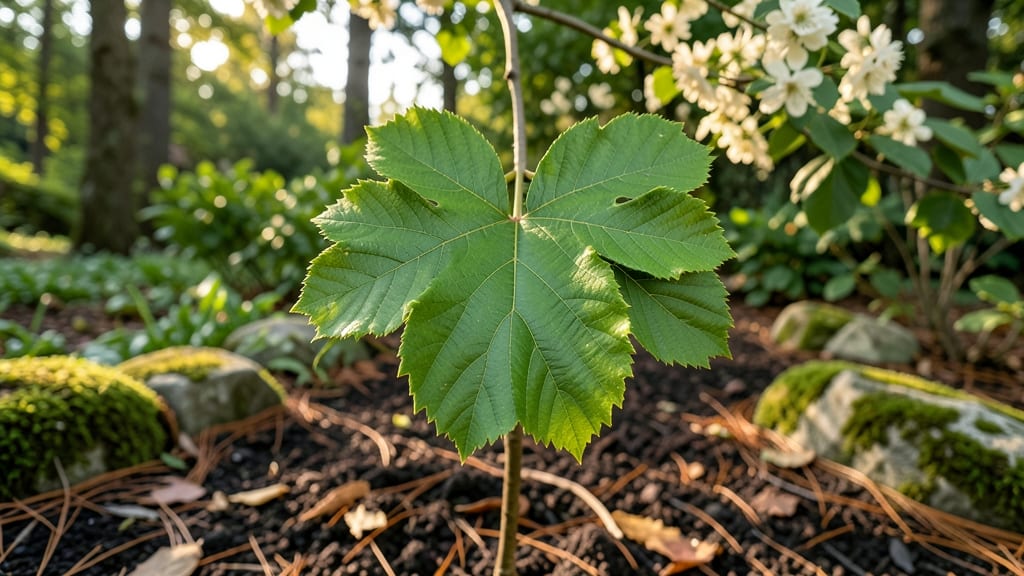
Mastering mountain ash tree leaf identification starts with those serrated edges and feathered compound patterns that set them apart from rowan trees. 🌿 I’ve spent years studying these leaves, and the key is noticing how each leaflet tapers to a point with tiny teeth along the edges—like a saw blade but delicate.
The leaves also have a bright green top and paler underside that’s almost silvery, which helps distinguish them from lookalikes. The compound structure is another dead giveaway: 5-11 leaflets arranged in pairs along a central stem, ending with a single leaflet at the tip.
If you see leaves with fewer than 5 leaflets or a different arrangement, it’s likely a rowan or another lookalike. Misidentifying mountain ash can lead to pest issues, since some insects target these trees specifically—so getting it right matters.
Once you spot these features, confirm by checking the bark (smooth and gray) and the tree’s overall shape (upright with layered branches). The leaves also release a slightly citrusy scent when crushed, a subtle clue that’s easy to miss but helpful for verification.
With practice, you’ll spot them anywhere—even in urban landscapes where they’re often overlooked. This skill isn’t just for pruning or pest control—it’s the first step in appreciating these trees’ vibrant red berries and their role in wildlife ecosystems.
Once you recognize the leaves, you’ll see mountain ash everywhere, from forests to city parks. Now, let’s dive into the details that make identification foolproof.
Understanding Leaf Changes in Mountain Ash
Mountain ash trees (Sorbus spp.) are known for their stunning foliage and compound leaves, but shifts in leaf shape, color, or health can signal underlying issues.
Below, we break down the why behind common leaf abnormalities—from serrated edges to discolored or deformed foliage—so you can diagnose and address problems effectively.
---
Environmental conditions play a major role in how mountain ash leaves develop. These trees thrive in specific climates, and deviations can trigger visible stress responses.
- 🌡️ Extreme Heat or Drought Mountain ash trees prefer moderate moisture and well-drained soil.
When exposed to prolonged drought or scorching temperatures, leaves may: - Develop crispy, brown edges (necrosis) due to water loss. - Exhibit premature leaf drop as the tree conserves resources. - Show stunted growth or smaller-than-normal leaves (a survival mechanism). - Actionable Fix: Water deeply 1-2 times per week during dry spells (avoid shallow watering).
Mulch the base with 2-3 inches of organic matter (like wood chips) to retain moisture.
- ❄️ Cold or Frost Damage Young leaves are particularly vulnerable to late spring frosts or winter desiccation.
Signs include: - Blackened or wilted leaf tips (frost burn). - Purple or reddish hues (cold-induced anthocyanin production). - Leaf curling to protect delicate tissues. - Actionable Fix: Plant mountain ash in sheltered locations or use frost cloth during late spring blooms.
Avoid pruning in fall/winter to prevent cold stress on fresh cuts.
- 💨 Wind or Physical Abrasion High winds can tear or distort leaves, mimicking pest damage.
Look for: - Irregularly jagged edges (not the smooth serrations of healthy leaves). - Scattered holes rather than uniform patterns. - Actionable Fix: Plant mountain ash away from open areas or use windbreaks (like evergreen hedges) to shield foliage.
---
Mountain ash trees are susceptible to sap-sucking insects and fungal/bacterial pathogens, which alter leaf structure and color.
- 🐛 Spider Mites or Aphids These tiny pests pierce leaves to feed on sap, causing: - Yellow stippling (tiny white/yellow dots where mites feed). - Sticky residue (honeydew) on leaves, followed by sooty mold (black fungal growth). - Curled or puckered leaves as the tree tries to protect itself. - Actionable Fix: Spray leaves with a strong stream of water to dislodge pests.
For severe infestations, use neem oil or insecticidal soap (apply in early morning to avoid harming bees).
- 🍄 Fungal Infections (e.g., Powdery Mildew, Leaf Spot) Fungi thrive in humid conditions and can cause: - White powdery coatings (powdery mildew) on upper leaf surfaces. - Brown/black spots with yellow halos (leaf spot diseases like Venturia). - Premature leaf drop if infections spread. - Actionable Fix: Improve air circulation by pruning dense branches.
Apply copper fungicide or baking soda spray (1 tbsp baking soda + 1 quart water + a drop of dish soap) every 7-10 days during wet seasons.
- 🐜 Sawfly Larvae or Cankerworms These caterpillars skeletonize leaves (eat tissue between veins), leaving: - Lacy, web-like patterns or large holes. - Fecal droppings on leaves. - Actionable Fix: Handpick larvae (drop into soapy water) or use Bt (Bacillus thuringiensis) spray, a natural bacteria toxic to caterpillars.
---
Mountain ash trees require balanced nutrients for healthy leaf development. Deficiencies often manifest as color changes or distorted shapes.
| Symptom | Likely Cause | Solution | |---------------------------|-------------------------------|------------------------------------------------------------------------------| | Yellowing between veins (chlorosis) | Iron or magnesium deficiency | Apply chelated iron or Epsom salt (1 tbsp/gallon water) every 4 weeks. | | Purple undersides | Phosphorus deficiency | Fertilize with bone meal or compost in early spring. | | Small, dark green leaves | Nitrogen deficiency | Use a balanced fertilizer (10-10-10) in spring or add compost. | | Reddish stems/veins | Excess phosphorus | Flush soil with water and avoid high-P fertilizers. |
- 💡 Pro Tip: Test soil pH (ideal: 6.0–7.0 for mountain ash). Acidic soil (<5.5) can lock out nutrients like iron. Amend with lime if needed.
--- Not all leaf changes are bad! Mountain ash trees exhibit natural variations based on age, variety, or growing conditions.
- 🌱 Young Tree Development Saplings may have simpler leaf structures (fewer leaflets) that mature into the classic pinnate compound form. This is normal—no action needed.
- 🌿 Varietal Differences Some mountain ash cultivars (e.g., Sorbus aucuparia ‘Edulis’) have darker, glossier leaves or more serrated edges than others. Compare your tree to reference images of its specific variety.
- 🍂 Seasonal Leaf Changes Autumn brings red, orange, or purple hues as chlorophyll breaks down. If leaves turn unusually early, check for disease or drought stress (not just seasonal change).
--- Sometimes, the problem isn’t natural—it’s man-made!
- 🪓 Over-Pruning or Improper Cuts Aggressive pruning can lead to: - Weak, stunted new growth (due to reduced energy reserves). - Deformed leaves if cuts damage leaf buds. - Fix: Prune only in late winter/early spring and use clean, sharp tools to avoid tearing.
- 🐇 Herbivore Damage (Deer, Rabbits) Animals may strip leaves or bark, causing: - Irregular chewing patterns (unlike pest damage). - Exposed wood on young trees. - Fix: Use tree guards or repellent sprays (like garlic-based solutions).
- 🧴 Chemical Burn from Fertilizers/Pesticides Overapplication of synthetic chemicals can cause: - Brown, crispy leaf edges. - Bleached or white patches. - Fix: Flush soil with water and switch to organic amendments (like compost tea).
Quick Fixes for Mountain Ash Leaf Issues
When your mountain ash tree’s leaves start showing signs of distress—whether it’s odd serrations, discoloration, or unusual patterns—acting fast can save the tree and restore its health. Below are practical, step-by-step solutions tailored to common problems, along with prevention tips to keep your tree thriving.
---
If your mountain ash leaves have abnormally jagged edges or misshapen lobes, the issue is often linked to environmental stress, pests, or disease.
#### 🔥 Cause: Over-Pruning or Poor Pruning Technique How to Fix It: - Step 1: Assess the Damage 👀 – Examine the tree for uneven cuts, stubs, or excessive thinning of foliage.
Healthy mountain ash leaves should have smooth, serrated edges (not razor-sharp or irregular). - Step 2: Prune Correctly ✂️ – - Use clean, sharp pruners to make 45-degree cuts just above a bud or branch collar. - Remove only dead, diseased, or crossing branches—never more than 25% of the canopy at once. - Avoid topping (cutting back to a stub), as this stresses the tree. - Step 3: Fertilize for Recovery 🌱 – Apply a balanced, slow-release fertilizer (10-10-10) in early spring to support new growth.
💡 Prevention Tip: - Prune in late winter or early spring (before new growth) to minimize stress. - Avoid summer pruning, as it can promote weak, disease-prone growth.
---
#### 🐛 Cause: Pest Infestation (Aphids, Spider Mites, or Sawfly Larvae) How to Fix It: - Step 1: Identify the Pest 🔍 – - Aphids: Tiny green/black bugs clustered on new leaves. - Spider Mites: Fine webbing on undersides of leaves. - Sawfly Larvae: Green, worm-like pests chewing leaf edges. - Step 2: Treat Infestations 🚫 – - For minor infestations: Spray leaves with neem oil (1 tsp per quart of water) or insecticidal soap. - For severe cases: Use a horticultural oil or systemic insecticide (like imidacloprid) as a last resort. - Step 3: Encourage Natural Predators 🐞 – Ladybugs and lacewings eat aphids; attract them with native plants like dill or yarrow.
💡 Prevention Tip: - Monitor leaves regularly—catch pests early! - Keep the tree healthy with proper watering and mulching to deter infestations.
---
#### 🌡️ Cause: Environmental Stress (Drought, Heat, or Poor Soil) How to Fix It: - Step 1: Check Soil Moisture 💧 – - Stick your finger 2 inches into the soil—if it’s dry, water deeply (1-2 inches per week). - Mountain ash trees prefer well-draining, slightly acidic soil (pH 5.0-6.5). - Step 2: Mulch Properly 🌿 – - Apply 2-3 inches of organic mulch (wood chips or bark) around the base (keep it 6 inches away from the trunk). - Mulch retains moisture and regulates soil temperature. - Step 3: Adjust Watering 🚰 – - Young trees: Water 2-3 times per week in dry spells. - Mature trees: Water deeply once a week (unless in extreme drought).
💡 Prevention Tip: - Test your soil (use a home kit or send a sample to a local extension office). - Avoid compacting soil around the tree—foot traffic can suffocate roots.
---
#### 🍄 Cause: Fungal Disease (Anthracnose or Leaf Spot) How to Fix It: - Step 1: Remove Infected Leaves 🧹 – - Rake up and destroy (don’t compost!) drooping or spotted leaves to prevent spread. - Step 2: Apply Fungicide 🛡️ – - Use a copper-based fungicide or baking soda spray (1 tbsp baking soda + 1 tsp dish soap + 1 gallon water). - Spray every 7-10 days until new growth appears. - Step 3: Improve Airflow 💨 – - Thin out dense branches to allow sunlight and air circulation.
💡 Prevention Tip: - Water at the base (avoid wetting leaves) to reduce fungal spores. - Clean pruners with rubbing alcohol between cuts to prevent disease spread.
--- - 🌟 Feed in Early Spring – Use a slow-release fertilizer to support vibrant foliage. - 🌿 Avoid Overwatering – Soggy soil leads to root rot and weak leaves. - 👀 Watch for Early Signs – Catching issues (like yellowing or curling) early prevents major damage.
By following these targeted fixes, your mountain ash tree should bounce back with strong, properly serrated leaves in no time! 🌳💚
Frequently asked questions about mountain ash tree leaves
How do I tell the difference between mountain ash and rowan tree leaves?
Mountain ash leaves have 5-11 leaflets arranged in pairs with a single terminal leaflet, while rowan leaves typically have 5-7 leaflets with a rounded terminal leaflet. Mountain ash leaflets also have more pronounced serrations and a slightly citrusy scent when crushed. Check the bark too—mountain ash has smoother, gray bark.
Why are my mountain ash leaves turning yellow between the veins?
This chlorosis usually indicates an iron or magnesium deficiency. Test your soil (ideal pH: 6.0-7.0) and apply chelated iron or Epsom salt (1 tbsp/gallon water) every 4 weeks. Overwatering or compacted soil can also prevent nutrient uptake—improve drainage by adding organic mulch.
Are mountain ash leaves poisonous to pets?
While mountain ash leaves aren't highly toxic, the berries contain small amounts of cyanogenic glycosides that can cause mild stomach upset if ingested in large quantities. Keep pets away from fallen berries, but leaf ingestion alone is rarely dangerous. Always monitor your pet if they show interest in chewing leaves.
What should I do if my mountain ash leaves have holes but no visible pests?
This could indicate sawfly larvae or cankerworms that hide on the undersides of leaves. Check for tiny green larvae or silky webs. Treat with Bt (Bacillus thuringiensis) spray or handpick larvae into soapy water. If the damage is severe, consider applying neem oil as a preventive measure.
Can I propagate mountain ash trees from cuttings using just the leaves?
No—mountain ash trees don't root well from leaf cuttings. For propagation, use semi-hardwood cuttings (4-6 inches long) taken in late summer, dipped in rooting hormone, and kept in moist perlite. Alternatively, collect seeds from ripe berries, stratify them, and plant in spring for natural regeneration.