
Pruning
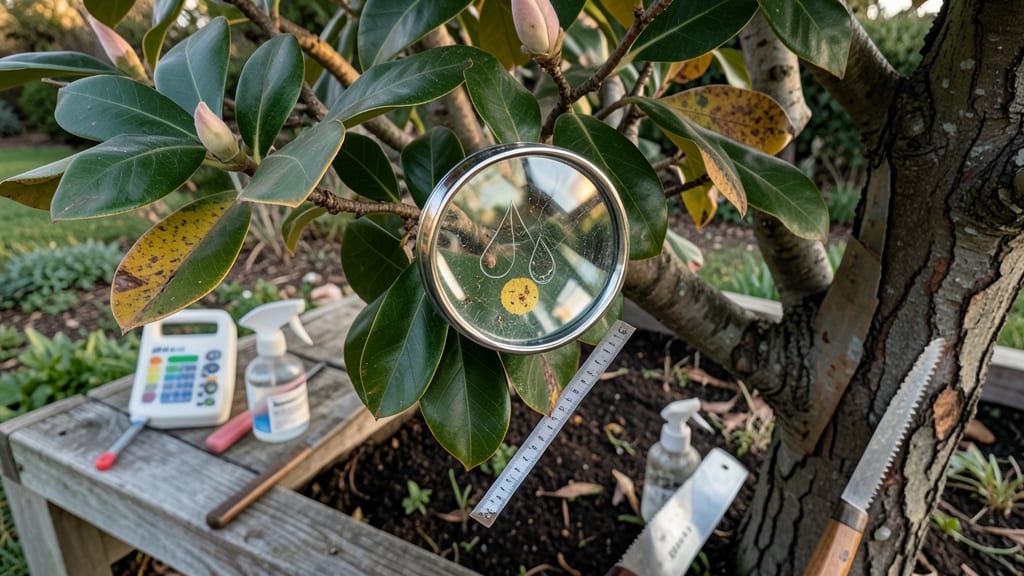
Magnolia tree leaf problems can turn your pride into panic—those yellowing leaves or mysterious spots might seem alarming at first, but most issues have simple solutions. 🌿 I’ve seen this happen more than once—what starts as a small blemish can spiral if ignored. The good news? Most leaf problems have clear causes and fixes, whether it’s fungal infections, nutrient deficiencies, or pests like scale insects.
Yellowing often signals overwatering or nutrient deficiencies, while brown spots usually mean fungal issues or environmental stress. Wilting could point to root problems or pests draining the tree’s energy.
The key is identifying the pattern—is it on new leaves? Old ones? One branch or the whole tree? That tells you exactly what’s wrong.
Once you know the cause, solutions are straightforward: adjust watering, apply fungicide, or prune affected branches. I’ve revived trees that looked hopeless with just a few targeted fixes. The goal isn’t perfection—it’s getting your magnolia back to its healthy, lush self.
Even if you’re not a gardening expert, these fixes work. Start with the basics—check moisture, inspect leaves closely, and act fast. Your magnolia will thank you with vibrant foliage and those iconic blooms next season.
Root Causes Behind Leaf Struggles
Magnolia trees are stunning additions to any landscape, but their leaves can sometimes send distress signals—yellowing, spotting, or wilting—leaving gardeners puzzled. Understanding the why behind these issues is the first step to restoring your tree’s health.
Below, we break down the most common culprits, backed by science, so you can diagnose and address the problem with precision.
Magnolias thrive in specific conditions, and when those aren’t met, their leaves react. Environmental factors like temperature extremes, humidity, or improper watering can trigger stress responses in the tree.
- Heat or Cold Shock: Magnolias prefer moderate climates (USDA Zones 4–9, depending on the species). Sudden temperature swings—like late spring frosts or scorching summer heat—can cause chlorosis (yellowing between leaf veins) or leaf scorch. Why? Extreme temperatures disrupt the tree’s ability to absorb and transport nutrients, particularly magnesium and iron, which are vital for chlorophyll production. 💡 Pro Tip: Mulch around the base to insulate roots and water deeply during heatwaves.
- Watering Woes: Overwatering or underwatering stresses magnolias. Why? Their roots need well-draining soil—soggy conditions lead to root rot (a fungal infection that blocks nutrient uptake), while drought causes wilting and leaf drop. Signs: Yellowing leaves with brown edges (overwatering) or crispy, curling leaves (underwatering). ✨ Fix: Test soil moisture 2–3 inches deep; water when dry but avoid waterlogging.
- Wind Burn: Young or thin-leafed magnolias (like Magnolia grandiflora) can suffer wind burn in exposed areas. Why? Rapid air movement dries out leaf surfaces, causing brown, papery patches (especially on leaf edges). 🌡️ Solution: Plant in a sheltered spot or use windbreaks like burlap screens.
Pathogens love magnolia leaves—they’re soft, broad, and nutrient-rich. Fungal spores and bacteria hitch rides on wind, tools, or even your shoes, leading to unsightly (and often deadly) infections.
- Magnolia Leaf Spot (Fungal): Causes: Fungi like Gloeodes pomigena or Phyllosticta magnoliae thrive in humid, rainy conditions. They create dark spots with yellow halos and may drop leaves prematurely. Why? The fungus clogs stomata (leaf pores), preventing gas exchange and nutrient flow. 🔥 Key Clue: Spots often have white or gray fuzzy centers—a dead giveaway.
- Anthracnose (Bacterial/Fungal): This disease causes water-soaked, sunken lesions that ooze in wet weather. Why? The pathogen Colletotrichum exploits weak leaf tissue, often entering through wounds or old leaf spots. 🌡️ Prevention: Avoid overhead watering and prune for airflow.
- Powdery Mildew: A white, talcum-like coating on leaves? That’s powdery mildew (Erysiphe spp.), a fungus that thrives in shady, humid spots. Why? It blocks sunlight, reducing photosynthesis and causing yellowing and leaf drop. 💡 Trick: Space trees for airflow and water at the base, not the foliage.
Insects and mites don’t just nibble—they inject toxins or suck out sap, leading to stunted growth, discoloration, and even leaf death. Here’s how they do it:
- Magnolia Scale: These brown, armored pests cluster on stems and leaf undersides, sucking sap and excreting sticky honeydew (which attracts sooty mold). Why? Their saliva contains toxins that cause yellowing and leaf curl. 🔍 Spot Them: Look for white, cottony trails (their waste) on leaves.
- Spider Mites: Tiny but destructive, these red or yellow arachnids spin webs on leaf undersides. Why? They pierce cells to feed, causing stippling (tiny white/yellow dots) and bronzing (a reddish tint) as the tree loses chlorophyll. 🌡️ Warning: Drought-stressed trees are prime targets—keep soil moist!
- Japanese Beetles: These iridescent green beetles skeletonize leaves (eating only the soft tissue, leaving veins). Why? Their feeding triggers oxidative stress in the tree, leading to yellowing and premature leaf drop. 🎯 Action: Handpick beetles into soapy water during peak feeding (June–August).
Magnolias are heavy feeders, and poor soil health can starve their leaves of essential nutrients. Each deficiency has a signature symptom:
| Deficiency | Leaf Symptoms | Why It Happens | Quick Fix |
|---|---|---|---|
| Nitrogen (N) | Pale green or yellow entire leaves (not just veins) | Nitrogen is critical for chlorophyll. Poor soil or over-pruning depletes it. | Apply balanced fertilizer (10-10-10) in early spring. |
| Iron (Fe) | Yellowing between veins (chlorosis) on young leaves | Iron is immobile in plants—if roots can’t absorb it (common in alkaline soil), leaves can’t use it. | Use chelated iron or amend soil with peat moss to lower pH. |
| Magnesium (Mg) | Yellowing with brown patches on older leaves (starts at leaf edges) | Magnesium is a chlorophyll center—deficiency disrupts photosynthesis. | Apply Epsom salt (magnesium sulfate) to soil or foliar spray. |
| Potassium (K) | Yellowing with brown, dead edges ("scorch")
Quick Fixes for Magnolia’s LeavesReviving your magnolia’s health starts with identifying the root cause—and acting fast! Whether your tree is battling pests, diseases, or environmental stress, these practical, step-by-step solutions will help you nurse it back to full, lush foliage. Below, we’ve mapped out the best fixes for common magnolia leaf issues, plus prevention tips to keep your tree thriving long-term. --- Cause: Magnolias often turn yellow due to iron deficiency (chlorosis) or overwatered roots smothering nutrients. How to Treat It: 🔥 Boost Iron Levels (For Chlorosis) - Apply chelated iron fertilizer (like Ironite or a liquid iron supplement) to the soil every 4–6 weeks during growing seasons (spring/fall). - For severe cases, inject iron directly into the soil with a soil probe or use a foliar spray (mix 1 tbsp iron sulfate per gallon of water, spray leaves in early morning). - Test your soil (pH 5.5–6.5 is ideal for magnolias). If pH is too high, add sulfur or peat moss to lower it. 🍳 Adjust Watering (For Overwatering) - Let the top 2–3 inches of soil dry out between waterings. Stick your finger in the soil—if it’s soggy, hold off! - Improve drainage by amending the soil with compost or perlite, or plant magnolias in slightly raised beds. - If roots are waterlogged, prune back affected roots (if accessible) and mulch with wood chips to regulate moisture. 💡 Pro Tip: Yellow leaves on new growth = iron deficiency. Yellowing on older leaves = overwatering or poor drainage. --- Cause: Dark, circular spots with yellow halos? Fungal infections (like anthracnose) thrive in humid, wet conditions. How to Fix It: 👨🍳 Prune Infected Leaves - Remove all spotted leaves and drop them in a trash bag (don’t compost—they’ll spread spores). - Sterilize pruners with rubbing alcohol between cuts to prevent cross-contamination. 🥘 Apply Fungicide - Spray leaves with a copper-based fungicide (like Bonide Copper Fungicide) or a neem oil solution (1 tbsp neem oil + 1 tsp mild soap per quart of water). - Reapply every 7–10 days until new growth appears spot-free. ⏰ Improve Airflow & Reduce Moisture - Thin out dense branches to allow sunlight and airflow. - Water early in the day so leaves dry quickly. - Avoid overhead irrigation—use drip irrigation instead. 🌡️ Pro Tip: Prevent recurrence by mulching (2–3 inches of organic mulch) to keep soil moisture even but not soggy. --- Cause: Sticky leaves, tiny webs, or black sooty mold? Pests like scale insects or spider mites are sucking the life out of your tree. How to Remove Them: 🔪 Blast Off Soft-Bodied Pests (Spider Mites) - Spray leaves with a strong stream of water to dislodge mites (do this early morning). - Follow up with insecticidal soap or horticultural oil (like dormant oil spray in late fall/early spring). 🍎 Scrape or Brush Off Scale Insects - For small infestations, use a soft brush dipped in rubbing alcohol to wipe off scale. - For large infestations, apply systemic insecticide (like imidacloprid) early in the season (before pests hatch). ✨ Encourage Natural Predators - Attract ladybugs and lacewings by planting dill, fennel, or marigolds nearby. - Avoid broad-spectrum pesticides—they kill beneficial insects too! 🎯 Pro Tip: If you see black, crusty bumps on branches, it’s magnolia scale. Scrape them off and treat with dormant oil in winter when pests are dormant. --- Cause: Wilting can mean underwatering, root rot, or summer heat stress. How to Hydrate & Protect: 💦 Deep Watering Technique - Water slowly and deeply (1–2 inches per week) to encourage deep root growth. - Use a soaker hose or drip irrigation to avoid wetting leaves (which spreads disease). 🌿 Shade & Mulch for Heat Stress - Provide afternoon shade (use lightweight shade cloth if needed). - Apply 3 inches of mulch (wood chips or pine straw) to retain moisture and regulate soil temp. 📊 Check for Root Issues - If wilting persists, gently dig around the roots to check for rot or girdling roots. Trim any black, mushy roots with sterilized pruners. 💪 Pro Tip: Wilting in hot weather? Give your magnolia a midday break—water deeply in the early morning or evening to reduce evaporation. --- Final Prevention Checklist: ✅ Test soil every 2–3 years and amend as needed. ✅ Prune in late winter/early spring for better airflow. ✅ Monitor leaves weekly for early signs of stress. ✅ Avoid compacting soil around the base—keep it loose! With these fixes, your magnolia should bounce back with vibrant, healthy leaves in no time. 🌳💚 Frequently asked questions about magnolia tree leaf problems
1
Why are my magnolia leaves turning yellow between the veins?This is classic iron deficiency (chlorosis), common in magnolias with alkaline soil. The yellowing between veins happens because iron is immobile in plants—roots can't absorb it, so new leaves can't produce enough chlorophyll. Test your soil (ideal pH: 5.5–6.5) and apply chelated iron fertilizer every 4–6 weeks during growing seasons. For quick results, try a foliar spray with iron sulfate.
2
How do I know if my magnolia has fungal leaf spots vs. insect damage?Fungal spots (like anthracnose) appear as dark circles with yellow halos and often have white or gray fuzzy centers. Insect damage—especially from spider mites—shows as tiny white/yellow dots (stippling) or bronzing (reddish tint). Check leaf undersides for webs or sticky honeydew (scale insects), which confirm pest issues. For fungal spots, prune infected leaves and apply copper fungicide.
3
Can I save my magnolia if the leaves are already dropping?Yes, but act fast! Dropping leaves usually mean root rot (from overwatering), severe pest infestation, or fungal disease. First, check soil moisture—if soggy, reduce watering and improve drainage with compost or perlite. For pests, use horticultural oil or insecticidal soap. If fungal, prune dead leaves and apply fungicide. Mulch heavily (3 inches) to protect roots while the tree recovers. Most magnolias rebound within 4–6 weeks with proper care.
4
Is it safe to use homemade remedies like neem oil or baking soda on magnolia leaves?Neem oil is safe and effective for fungal diseases and pests—mix 1 tbsp neem oil + 1 tsp mild soap per quart of water and spray leaves (avoid direct sun). Baking soda (1 tsp baking soda + 1 quart water + few drops of soap) can help with fungal spots, but it’s less potent than commercial fungicides. Always test remedies on a small leaf area first to check for sensitivity. For severe issues, combine homemade sprays with pruning and proper watering.
5
When is the best time to prune my magnolia to prevent future leaf problems?Prune in late winter or early spring (before new growth starts) to remove dead, diseased, or crossing branches. Avoid pruning in summer or fall, as this stresses the tree and invites pests/diseases. Sterilize tools with rubbing alcohol between cuts, and never remove more than 25% of the canopy at once. Thin branches to improve airflow, which reduces humidity and fungal risks. Proper pruning boosts immunity and keeps leaves healthy all season. |