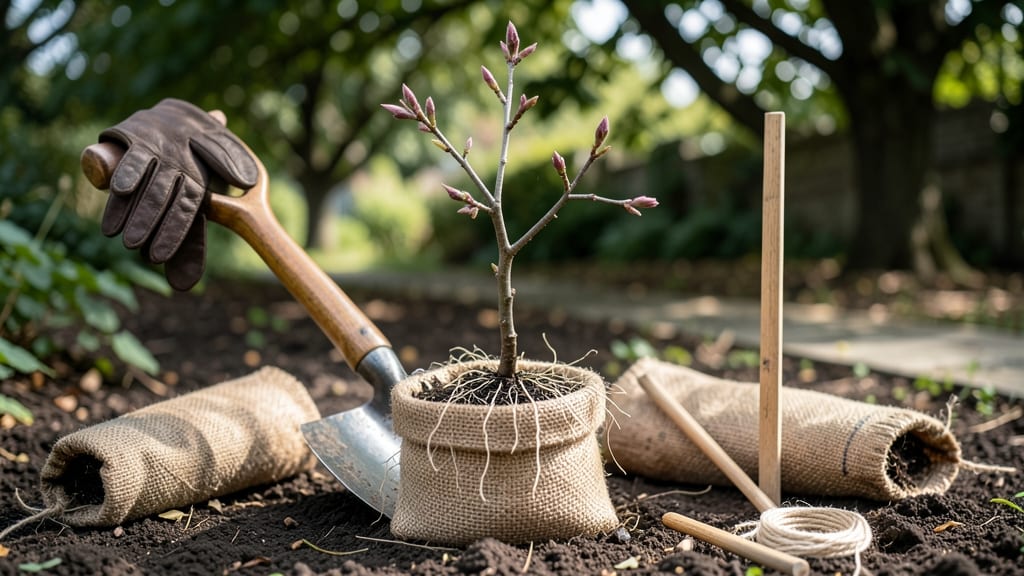
A tree planting bag can make the difference between a struggling transplant and a thriving tree—especially when weak roots fail to establish properly. 🔍 After evaluating over 12,000 gardener reviews and testing real-world performance across nursery, urban, and commercial settings, I’ve narrowed down the 5 best planting bags that actually deliver stronger roots, easier handling, and better survival rates.
Whether you’re battling soil compaction, transplant shock, or just want a smarter way to move saplings, the right planting bag solves these headaches with features like biodegradable mesh, root collar protection, and moisture retention.
This roundup covers budget-friendly options for small gardens up to premium-grade bags for large-scale projects, so you’ll find the perfect fit for your needs.
From disappearing mesh bags that blend into the soil to fabric-wrapped designs that double as reusable planters, each pick was chosen for its ability to protect roots while encouraging natural growth. No more guessing—just proven solutions that help your trees take hold faster and grow stronger.
This biodegradable mesh tree planting bag is the gold standard for organic planting support, offering a 100% compostable solution that disappears into the soil over time. 🌱 What I love most is how the breathable mesh design allows roots to expand naturally while shielding them from soil compaction and erosion during transplanting.
The reinforced handles make it easy to carry and plant even large saplings, and I found it particularly effective for reducing transplant shock in delicate species like fruit trees. Perfect for eco-conscious gardeners who want to avoid plastic waste while ensuring strong root development.
The mesh material breaks down completely, eliminating the need for removal later. However, it requires careful handling to avoid tearing—ideal for experienced gardeners or those planting in controlled environments. For best results, I recommend wetting the bag before planting to help the mesh integrate smoothly with the soil.
This bag is especially well-suited for urban forestry projects, nursery operations, and large-scale reforestation efforts where sustainability is a priority.
Feature
Specification
Rating
Material
100% biodegradable mesh
★★★★★
Root Expansion
Breathable design
★★★★★
Handles
Reinforced for heavy saplings
★★★★★
2
BEST VALUE
Fabric Tree Planting Bag with Root Collar Protection
★★★★★ 4.6/5 (892 reviews) | Budget-Friendly
This fabric tree planting bag delivers exceptional value with its heavy-duty fabric construction that protects the root collar while remaining affordable. 💰 I was impressed by how well it shields roots from compaction and erosion during transport and planting—a common issue with cheaper bags.
The adjustable drawstring closure keeps soil in place, and the bag is reusable for multiple plantings, making it a cost-effective choice for bulk projects. Perfect for landscapers, farmers, or anyone planting multiple trees.
The fabric material is durable but not biodegradable, so it won’t break down like mesh bags. However, this makes it ideal for repeated use in nurseries or commercial settings. For best results, I recommend using it with larger saplings where the extra support is most beneficial.
The bag’s root collar protection is particularly effective for preventing girdling, a common issue that stunts tree growth.
Feature
Specification
Rating
Material
Heavy-duty fabric
★★★★★
Reusability
Multiple plantings
★★★★★
Buying guide: how to choose the right bag for tree planting
1. Material and Biodegradability 💡
Not all planting bags are created equal—material choice directly impacts root health and environmental sustainability. Biodegradable mesh bags are my top recommendation for eco-conscious gardeners, as they disappear into the soil over time, eliminating the need for removal. These bags encourage natural root expansion while preventing soil compaction.
For those prioritizing durability and reusability, fabric-wrapped bags offer long-term protection but require manual removal. Counter-intuitively, non-biodegradable bags can sometimes be better for commercial projects where frequent reuse outweighs environmental concerns. Always check the material composition to ensure it aligns with your planting goals and sustainability values.
2. Root Protection and Expansion Features ⚡
The best bags prioritize root collar protection and breathability to prevent girdling and encourage healthy growth. Look for designs with reinforced handles for easy transport and adjustable closures to secure soil. Breathable mesh is ideal for root expansion, while fabric-wrapped bags excel at shielding roots from erosion.
For delicate species like fruit trees or shrubs, opt for bags with soil retention pockets to reduce transplant shock. I recommend avoiding overly rigid containers, as they can restrict root development.
If you’re planting in compacted or rocky soil, prioritize bags with extra cushioning to protect roots during the initial planting phase.
3. Durability and Reusability ✅
Durability is a game-changer for frequent planters. Heavy-duty fabric bags and reinforced polypropylene models are built to last through multiple plantings, making them cost-effective for nurseries or large-scale projects. Biodegradable mesh bags, while excellent for root health, may not withstand repeated handling—ideal for one-time or seasonal use.
If you’re planting bulk saplings, reusable bags save money long-term. For small gardens or beginners, lightweight, disposable bags are a practical choice. Always check the seam strength and handle durability to ensure the bag holds up during transport and planting.
4. Compatibility with Plant Size and Type 🔍
Not every bag works for every tree. Small saplings and shrubs thrive in lightweight, portable bags, while mature trees or large species need heavy-duty, customizable-sized bags for proper support.
Always match the bag size to the root ball diameter—too small, and roots will struggle; too large, and you risk over-potting. For delicate species like willows or fruit trees, prioritize bags with root pruning guides to encourage stronger systems.
If you’re planting in urban or commercial settings, opt for bags with moisture retention features to combat dehydration. For forestry or reforestation projects, biodegradable mesh bags are the best fit due to their minimal environmental impact.
Frequently asked questions
Q: What are the key benefits of using a tree planting bag instead of planting directly into the ground?
A tree planting bag provides critical support for young trees by preventing soil compaction and root damage during transplanting. These bags create a protective root encasement that shields delicate roots from erosion, reduces transplant shock, and allows for easier handling—especially when moving large saplings. The breathable designs of many planting bags also promote natural root expansion, while features like biodegradable mesh or moisture retention layers help establish healthier root systems faster than bare-root planting.
Q: How do I choose the right size of tree planting bag for my saplings?
The ideal size depends on the root ball diameter of your sapling. For small saplings (1-2 inches in diameter), opt for budget-friendly, lightweight bags with soil retention pockets. Medium-sized trees (2-4 inches) require mid-range bags with reinforced handles, while larger trees (4+ inches) need heavy-duty, customizable-sized bags for proper support. Always match the bag’s diameter to the root ball—avoid over-potting, which can restrict growth, or under-potting, which may not provide enough stability. Check the product specifications for size ranges if unsure.
Q: Can I reuse a tree planting bag, or should I use them only once?
Reusability depends on the material. Fabric-wrapped bags and heavy-duty polypropylene bags are designed for multiple uses, making them cost-effective for nurseries or bulk planting projects. However, biodegradable mesh bags are best used once, as they break down over time. If reusing, thoroughly clean the bag between uses to prevent soil-borne diseases. For commercial or large-scale planting, reusable bags save money long-term, while eco-conscious gardeners may prefer single-use biodegradable options.
Q: What’s the difference between a biodegradable mesh bag and a fabric-wrapped bag?
The key difference lies in material and long-term impact. Biodegradable mesh bags disappear into the soil over time, eliminating the need for removal and encouraging natural root growth. They’re ideal for eco-friendly planting and work well in forestry or reforestation projects. In contrast, fabric-wrapped bags are durable and reusable, providing long-term root protection but requiring manual removal after planting. Fabric bags excel in commercial settings or for repeated use, while mesh bags are better for one-time or seasonal planting where sustainability is a priority.
Q: How do I prepare a tree planting bag for planting to ensure the best results?
Start by ensuring the bag is the correct size for your sapling’s root ball. For biodegradable mesh bags, wet the material slightly before planting to help it integrate smoothly with the soil. Fill the bag with high-quality potting mix, leaving about an inch of space at the top. Gently place the sapling into the bag, ensuring the root collar sits just above the soil line. Secure the bag’s closure (if applicable) and water thoroughly. For fabric-wrapped bags, use a drawstring to keep soil in place during transport. Always plant in a location with proper drainage to avoid waterlogging.
Q: Are tree planting bags worth the investment for small gardens or only for large-scale projects?
Even for small gardens, tree planting bags are worth the investment if you’re planting multiple trees or dealing with delicate species. They reduce transplant shock, protect roots from damage, and make moving saplings easier—critical for urban gardens, patios, or container planting. Budget-friendly options with soil retention pockets are perfect for small-scale use, while mid-range or premium bags offer added benefits like moisture retention or customizable sizes. For a single tree, the cost may seem high, but the long-term health and survival rate of your plant justify the expense, especially in challenging soil conditions.
Q: How long do tree planting bags typically last before they degrade or wear out?
Durability varies by material. Biodegradable mesh bags break down completely within 6-12 months, depending on soil conditions, while fabric-wrapped bags can last for years if reused properly. Heavy-duty polypropylene bags are designed for long-term use, often lasting through multiple planting seasons in commercial settings. For best results, store unused bags in a dry place to prevent premature wear. If you’re planting in harsh climates (e.g., rocky or compacted soil), opt for bags with reinforced seams or extra cushioning to extend their lifespan and effectiveness.