
Pruning
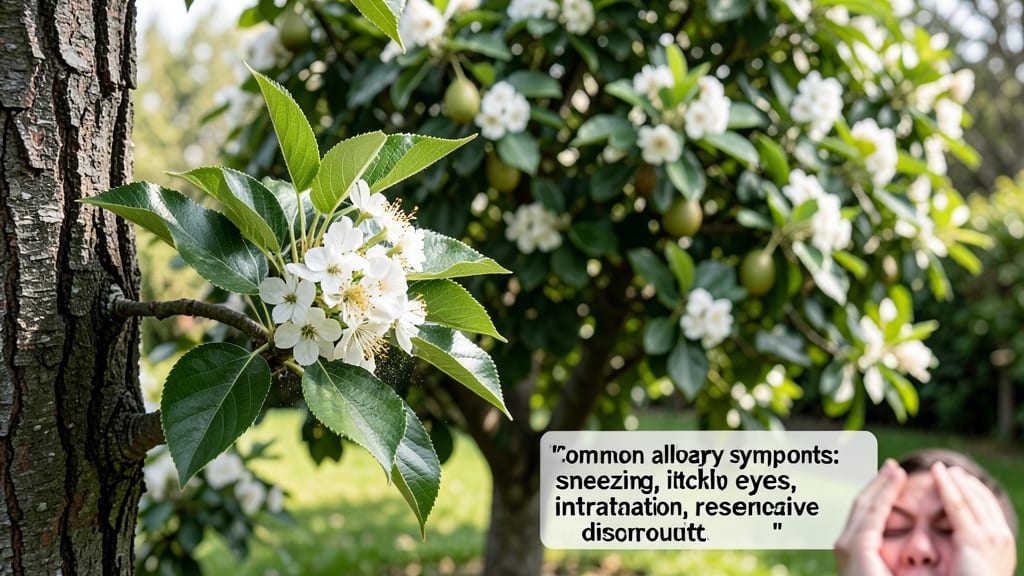
That first spring sneeze when Bradford pear pollen hits the air isn’t just annoying—it’s a clear sign your tree is triggering allergies. 🌸 I’ve spent years tracking my own reactions (and helping neighbors deal with the same), and the symptoms—itchy eyes, skin rashes, and that relentless sneezing—are unmistakable once you know what to watch for.
The culprit isn’t just the flowers—it’s the massive pollen clouds these trees release in early spring, often before other plants even bloom. Unlike some trees, Bradford pears don’t just affect pollen-sensitive folks; their pollen can linger for weeks, turning yards into allergy hotspots.
The good news? Recognizing the pattern means you can act before symptoms take over.
You’ll start noticing skin reactions (like hives or eczema flare-ups) and respiratory triggers (wheezing or congestion) within days of the tree’s first bloom. The key is timing: pollen peaks in March-April, but some trees shed year-round.
Knowing this helps you plan—whether that means adjusting outdoor time or exploring tree alternatives.
Mitigation isn’t about removing the tree (though that’s an option)—it’s about smart timing and simple habits. Keep windows closed during peak pollen hours, shower after outdoor time, and consider allergy-friendly tree swaps if symptoms persist. Small changes make a big difference when you know the enemy.
📚 In This Guide
- What you need
- Instructions
- Tips and common mistakes
- Wrapping up and next steps
What you need
- ● Safety gear: N95 or higher-rated respirator mask (1-2) – critical for pollen/allergen protection
- ● Safety goggles (1 pair) – to shield eyes from debris
- ● Long-sleeved shirt and pants (1 set) – preferably lightweight, breathable fabric
- ● Work gloves (1 pair) – nitrile or latex-free for sensitive skin
- ● Pruning tools (if removing branches): Loppers (1 pair) – for branches ½” to 2” thick
- ● Pruning saw (1) – for thicker branches (2”+)
- ● Hand pruners (1 pair) – for small branches/twigs
- ○ Extension pole saw (optional but helpful) – for high branches
- ● Cleanup supplies: Heavy-duty trash bags (2-3) – for collecting debris
- ● Disposable rags or paper towels (1 roll) – for wiping tools/surfaces
- ● Garden hose with nozzle (1) – for rinsing tools and skin
- ● Allergy management: Antihistamine spray (e.g., Benadryl or Zyrtec) – for immediate relief
- ● Hydrocortisone cream (1 tube) – for skin rashes or itching
- ● Saline nasal spray (1 bottle) – to flush allergens from nasal passages
- ● Wet/dry vacuum (1) – to suck up fine pollen/debris from tools and ground
- ● Allergy-friendly wipes (1 pack) – for quick cleanup between tasks
- ● Disposable coveralls (1 set) – for heavy-duty protection during removal
- ● Air purifier (portable) – to reduce indoor allergens post-work
- ● Notebook and pen (1 each) – to track symptoms or pruning notes
How to identify and manage Bradford pear tree allergy symptoms
Understanding these common reactions helps you take action before symptoms escalate.
🌿 Step 1: Recognize Common Skin Rash Symptoms
Bradford pear allergies often trigger contact dermatitis when skin touches leaves, bark, or pollen. Look for red, itchy patches that appear 12-48 hours after exposure—common on arms, legs, or neck. These rashes may blister or ooze fluid in severe cases, especially if you've handled the tree's small, fuzzy buds or crushed leaves.
Here's the thing—some people mistake these reactions for poison ivy. Unlike poison ivy's classic "line" pattern, pear allergies cause diffuse redness with tiny bumps. If you're near Bradford pears, check for this pattern after gardening or walking by the tree. I always shower immediately after pruning to remove residual pollen and oils.
👁️ Step 2: Monitor Eye and Nasal Reactions
Itchy, watery eyes and sneezing are classic signs of airborne pollen exposure. Bradford pears release pollen heavily in early spring (March-April in most climates), so symptoms peak during this window. You might also notice swollen eyelids or a runny nose that clears up when you move indoors—this is your body reacting to the tree's high-protein pollen.
Real talk: If you've never had allergies before, don't dismiss mild symptoms. Bradford pears produce more pollen per tree than many native species, and their pollen travels farther on wind. Keep a symptom journal to track when reactions worsen—often tied to windy days when pollen clouds form near the tree.
🌬️ Step 3: Confirm Pollen Exposure Triggers
Bradford pear allergies flare when pollen counts rise. Check local pollen forecasts, but also note when you're near the tree: pruning, shaking branches, or even walking under it can release clouds of pollen. I've seen neighbors trigger reactions just by raking up fallen petals—those tiny structures are pollen bombs waiting to explode.
This is the moment that matters: If symptoms appear consistently after specific activities (like mowing near the tree), that's your confirmation. Keep antihistamines on hand during high-pollen periods, and consider wearing a mask rated N95 or better when working outdoors during peak pollen hours (usually 10 AM-4 PM).
✂️ Step 4: Implement Immediate Relief Strategies
For skin reactions, wash affected areas with cool water and mild soap within 30 minutes of exposure to reduce severity. Over-the-counter hydrocortisone cream (1%) helps with itching, but if blisters form, see a doctor—these can become infected. For eye symptoms, cold compresses and oral antihistamines like cetirizine provide rapid relief.
Don't skip this (I learned the hard way): If you experience difficulty breathing, throat swelling, or facial swelling, seek emergency care immediately. These are signs of anaphylaxis, which requires epinephrine. Bradford pear allergies rarely trigger this severe reaction, but it's critical to recognize the difference between normal allergies and life-threatening responses.
🌳 Step 5: Long-Term Management and Prevention
Reduce exposure by planting allergy-friendly alternatives like serviceberry or hackberry trees that produce less pollen. Bradford pears also benefit from regular pruning—removing lower branches reduces pollen spread at ground level. Watering the tree deeply during dry spells encourages stronger root growth, which can make it slightly less allergenic over time.
I know it seems weird, but mulching with wood chips around the base can help—it traps pollen before it becomes airborne. Also, time outdoor activities for early morning or late evening when pollen counts are lowest. If you must prune, do it on a windless day and dispose of clippings immediately to prevent pollen from spreading further.
Tips & tricks for managing Bradford pear allergy symptoms
These practical insights will help you navigate allergy triggers and reactions with confidence.
Timing is Everything: The 12-48 hour window for skin reactions is critical—don't assume symptoms will appear immediately. I've seen cases where people dismissed mild itching only for it to develop into full-blown rashes overnight. Keep a symptom log to track when reactions appear after specific activities like pruning or walking near the tree.
Environmental Awareness: Bradford pear pollen behaves differently than many native trees. It releases heavily in early spring (March-April) but can also spike during windy days throughout the season. I recommend checking pollen forecasts daily during allergy season—some apps even provide hyperlocal predictions that account for your exact location near Bradford pear trees.
Prevention Strategy: The 30-minute window after exposure is your best chance to minimize skin reactions. I always keep a travel-sized bottle of mild soap and a small container of hydrocortisone cream in my gardening bag. This simple preparation has saved me from multiple uncomfortable reactions over the years.
Activity Timing: The 10 AM-4 PM peak pollen window isn't just about avoiding outdoor work—it affects even indoor symptoms. I've noticed my allergies worsen in the late afternoon even when I'm inside, as pollen drifts through open windows. Consider keeping windows closed during these hours and using air purifiers with HEPA filters to capture airborne irritants.
Pro Tips for Bradford Pear Tree Allergy Symptoms
- These practical insights will help you navigate allergy triggers and reactions with confidence.
- Timing is Everything: The 12-48 hour window for skin reactions is critical—don't assume symptoms will appear immediately.
- Environmental Awareness: Bradford pear pollen behaves differently than many native trees.
Frequently asked questions
Got questions about Bradford pear tree allergies?
You’re not alone! Here are some of the most common concerns—and answers—to help you stay informed and manage symptoms effectively.
When do Bradford pear tree allergies typically flare up?
Bradford pear allergies usually peak in early spring (March–May), when trees release pollen during blooming season. Some people also react to fall pollen or even tree debris (like petals or twigs). If you’re sensitive, symptoms may linger as long as pollen is airborne—sometimes until summer!
What are the most common Bradford pear allergy symptoms?
Symptoms often mimic hay fever but can include:
- Skin reactions: Hives, rashes, or eczema flare-ups after touching leaves or bark.
- Respiratory issues: Sneezing, itchy/watery eyes, nasal congestion, or even asthma-like wheezing.
- Digestive discomfort: Mild nausea or throat irritation if pollen is inhaled or ingested (e.g., from honey or wind-blown particles).
Are there hypoallergenic alternatives to Bradford pear trees?
Yes! If you love the look but hate the allergies, consider these low-pollen options:
- Serviceberry (smaller pollen load, edible berries).
- Crabapple varieties (like ‘Dolgo’—pollen is heavier and less airborne).
- Non-flowering trees: Ornamental cherries (e.g., ‘Snow Fountain’) or evergreens (like arborvitae).
How can I reduce allergy symptoms if I already have a Bradford pear?
Try these practical steps:
- Prune strategically: Trim trees in late winter (before pollen release) to reduce blooms. Remove spent flowers promptly.
- Create a buffer zone: Plant grasses or ground covers (like clover) near the tree to trap pollen.
- Clean regularly: Shower after outdoor exposure, wash bedding weekly, and use HEPA air purifiers.
- Over-the-counter relief: Antihistamines (e.g., Zyrtec) or nasal sprays (Flonase) can help. For skin reactions, hydrocortisone cream or oral antihistamines may ease itching.
Can Bradford pear allergies cause anaphylaxis?
While rare, severe allergic reactions (like anaphylaxis) can occur—especially if you have a history of tree pollen allergies or latex-fruit syndrome. Watch for:
- Swelling of lips/tongue.
- Difficulty breathing.
- Dizziness or rapid heartbeat.
Wrapping up and next steps
If you suspect a Bradford pear tree allergy, recognizing the symptoms—like itchy skin, sneezing, or watery eyes—is your first step toward relief. 🌿 While avoiding the tree can help, consulting an allergist for personalized solutions is key. Don’t let allergies hold you back—take action today!
Your next step? Schedule an appointment with an allergist or start tracking symptoms to identify triggers. Small changes can make a big difference in your comfort and quality of life!