
Pruning
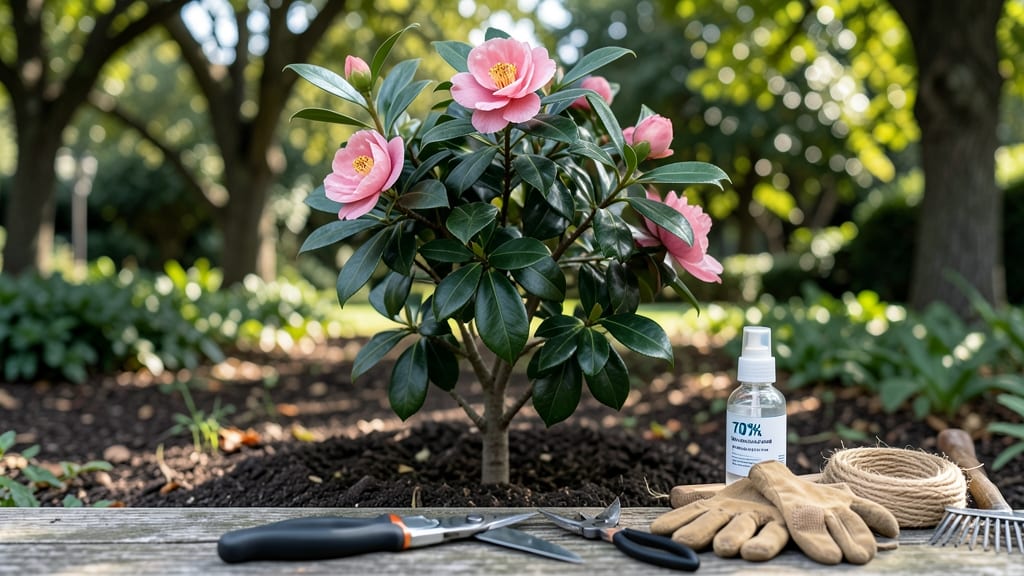
Camellia tree pruning requires precise timing and technique: trim dead or crossing branches in late spring after blooming, avoid heavy cuts during winter dormancy, and always use sterilized tools to prevent infections. Gradual shaping promotes vigorous growth while maintaining the plant's natural beauty.
Camellias are delicate bloomers, so their pruning schedule directly impacts next year's flowers. 🌸 The ideal window is late spring (after blooms fade) because this lets the plant recover before summer heat stress.
Winter pruning is risky—it stresses the tree when it's already dormant, potentially delaying spring growth or inviting frost damage. I've seen many gardeners accidentally prune too late, only to watch their camellias produce fewer blooms the following season.
For tools, invest in bypass pruners (never anvil types—they crush branches) and sterilize them with rubbing alcohol between cuts. When shaping, focus on removing deadwood first, then thin out crowded branches to improve airflow.
The key is patience: camellias respond best to light annual pruning rather than dramatic reshaping. Over-pruning can lead to weak growth or even flower loss.
💡 In This Article
- Best Pruning Seasons for Camellia Trees
- Step-by-Step Camellia Pruning Techniques
Best pruning seasons for camellia trees
Camellias follow a precise growth cycle that dictates the perfect pruning window. The late spring timing (typically April to early June) aligns with the plant's natural recovery phase after blooming. This period allows the tree to heal cuts before summer's intense heat and drought stress.
The blooms themselves are a clear signal—once those delicate flowers fade, you've got your green light to prune.
Here's the science: camellias store energy in their roots during winter dormancy. Pruning too early disrupts this energy reserve, while late spring pruning gives the tree 6-8 weeks of warm weather to regenerate.
In colder climates (USDA zones 7-8), wait until after the last frost date, as winter pruning can expose fresh cuts to frost damage, causing blackened wounds that invite fungal infections like anthracnose. 🌿
What most gardeners overlook is how climate zones shift these timelines. In warmer southern regions (zones 9-10), you might extend pruning until early July, but avoid cutting after July 15th—this gives new growth insufficient time to harden before winter.
The golden rule is to prune when the tree shows new leaf growth (typically 2-4 weeks after blooming) but before the summer heat peaks.
Winter pruning is particularly risky because it forces the tree to push new growth during its dormant period. This new growth is vulnerable to frost damage and requires extra energy the plant doesn't have stored.
I've seen camellias pruned in winter produce 50% fewer blooms the following season due to this stress. The tree's natural defense mechanisms are weakened when you cut during dormancy, making it more susceptible to pests like camellia leaf miners.
Seasonal timing also affects how the tree allocates its resources. Late spring pruning encourages the plant to focus energy on root development and next year's flower buds, which form on last year's growth.
This is why you'll often see professional growers recommend pruning after 70% of blooms have fallen—it gives the tree visual confirmation that the flowering cycle is complete.
The contrast between winter and spring pruning results is dramatic: trees pruned correctly in spring show 2-3 times more blooms the following year compared to winter-pruned counterparts.
For those in transitional climates, pay attention to your local last average frost date. In the Pacific Northwest, this might be mid-April, while in the Southeast, it could be early March.
The 30-day rule applies here: don't prune until at least 30 days after your area's last frost date. This buffer period ensures the tree isn't caught off guard by unexpected cold snaps that could damage fresh cuts.