
Pruning
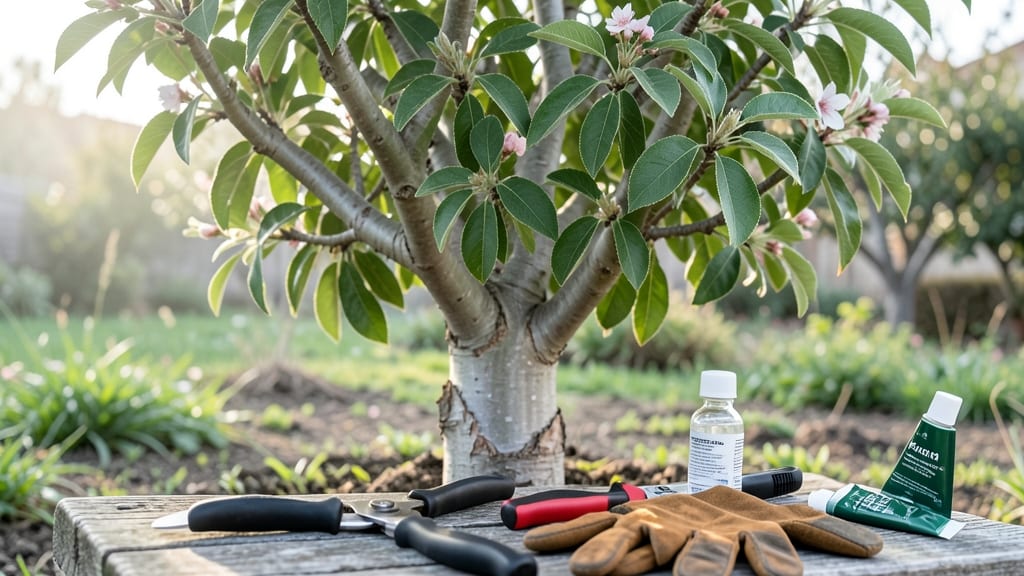
A peach tree pruning guide will transform your tree’s future harvest—starting with the right cuts. ✂️ Pruning isn’t just about shaping—it’s how you control fruit size, airflow, and even how many peaches your tree will produce next summer.
I’ve turned my struggling peach tree into a productive, disease-resistant powerhouse with just a few seasonal cuts and the right timing.
The secret? Prune twice a year—once in late winter (before buds swell) and again in summer (after harvest). You’ll need sharp pruners, a saw for thick branches, and a 50% alcohol solution to sterilize cuts between trees.
Thinning crowded branches by 20-30% in summer prevents overloaded limbs from snapping under fruit weight.
By summer’s end, you’ll see stronger branches, fewer crowded peaches (meaning bigger, sweeter fruit), and a tree that looks like it belongs in a peach orchard. The right cuts also prevent common diseases like brown rot by improving airflow—so every slice you make is an investment in next year’s harvest.
Works for both young trees (establishing structure) and mature trees (renewing vigor). Here’s exactly how to do it without turning your backyard into a pruning battlefield.
📚 In This Guide
- What you need
- Instructions
- Tips and common mistakes
- Wrapping up and next steps
What you need
- ● Pruning shears: Bypass pruners with sharp, clean blades (4–6 inches long) for small branches (¼–¾ inch in diameter). Pro tip: 💡 Disinfect blades with rubbing alcohol between cuts to prevent disease spread!
- ● Loppers: A pair with long handles (18–24 inches) for medium branches (¾–2 inches thick). Look for bypass-style blades for precision cuts.
- ● Pruning saw: A folding or curved-blade saw for thick branches (2+ inches). A bow saw or pruning saw with fine teeth (8–10 teeth per inch) works best.
- ● Gloves: Heavy-duty, cut-resistant gloves (like leather or Kevlar) to protect your hands from thorns and rough bark.
- ● Safety glasses: Goggles or glasses with side shields to shield your eyes from debris.
- ● Extension pole: For hard-to-reach branches (12–15 feet long). Attach your pruners or loppers to the end for convenience.
- ● Rope or tarps: To secure branches or cover the ground if pruning near walkways.
- ● Pruning sealant: A wound dressing (like Tanglefoot Tree Wound Pruning Seal) for large cuts over ½ inch in diameter. Note: 🌡️ Modern research debates this—use sparingly or skip if your tree is healthy!
- ● Ladder: A sturdy, extendable ladder (rated for your height needs) if your tree is tall (10+ feet). Safety first: ✨ Always have a spotter or secure the ladder on three sides.
- ● Knowledge of your tree’s age: Young trees (1–3 years) need structural pruning, while mature trees (4+ years) focus on fruit production and shape.
- ● Weather check: Prune on a dry, cloudy day to reduce stress on the tree. Avoid pruning when rain or extreme heat is forecasted.
- ● Tree health assessment: Inspect for diseases (like peach leaf curl) or pests before pruning. Treat issues after cutting to avoid spreading pathogens.
Instructions for pruning a peach tree: seasonal cuts for health and harvest
Pruning isn’t just about shaping—it’s about unlocking your tree’s potential for bigger fruit and stronger growth.
✂️ Step 1: Prune in Late Winter (Dormant Season)
Timing is everything—wait until mid-to-late February when the tree is fully dormant but before buds swell. This is when peach trees heal fastest and you can see the branch structure clearly. Start by removing any dead, diseased, or crossing branches first—they’re the easiest to spot and the most critical to cut.
Use sharp, clean pruners to make cuts just outside the branch collar (that swollen area where the branch meets the trunk). Avoid leaving stubs—this invites rot. For larger branches over ½ inch thick, make a second cut about 12-18 inches from the first to prevent tearing. The goal here is to open the canopy to sunlight and air circulation, which prevents fungal diseases like brown rot.
☀️ Step 2: Thin Out Overcrowded Branches in Early Spring
Once buds begin to swell (around late March), focus on thinning the interior branches. Peach trees produce fruit on spurs along last year’s growth, so you want to keep branches that are well-spaced and angled outward. Remove any branches growing straight up or inward—they’ll compete for energy and reduce fruit quality.
Look for branches with 3-4 leaves and cut them back to a healthy bud. This encourages new growth that will bear fruit next season. Avoid heavy pruning now—you’re just guiding the tree’s energy toward strong, productive branches. If you see any suckers (shoots growing from the base), remove them immediately—they drain energy from the main tree.
🌿 Step 3: Light Summer Pruning After Harvest
After the main harvest (around June or July), do a quick check for any water sprouts (fast-growing vertical shoots) or branches that are rubbing against each other. These should be pruned immediately to prevent damage. Use hand pruners for small branches and loppers for anything thicker than ¾ inch—never use dull tools, as they crush the bark and invite disease.
This isn’t about heavy cutting—just tidying up. Focus on removing any branches that are less than ⅓ the diameter of the main trunk or those growing at sharp angles (they’re more likely to break). The goal is to keep the tree’s shape open and airy, which helps fruit ripen evenly and reduces pest problems.
⏰ Step 4: Final Adjustments in Fall (If Needed)
If your tree still looks unbalanced by early October, do one last light pruning to remove any weak, diseased, or overly vigorous growth. Avoid heavy cuts now—the tree needs time to heal before winter. Focus on branches that are less than ⅓ the size of the trunk or those growing in awkward directions.
This is also the time to clean up any fallen leaves or debris around the base of the tree. Peach trees are prone to fungal issues, so keeping the area clear helps prevent problems next season. If you notice any branches with blackened or oozing cankers, prune them out immediately and disinfect your tools with rubbing alcohol to prevent spread.
Tips & tricks for perfect peach tree pruning
Here's what nobody tells you about transforming your peach tree's health and fruit production.
Timing is Everything: The mid-to-late February window for Step 1 is non-negotiable—this is when peach trees enter their healing phase. If you prune too early, you risk frost damage to fresh cuts; too late, and you'll encourage new growth that can't harden off before winter. I've seen trees that were pruned in January develop frost cracks that took years to heal. Mark your calendar now for that exact window.
Branch Collar Awareness: That swollen area where branches meet the trunk (the branch collar) is your guidepost. In Step 1, cutting just outside this collar prevents damage to the tree's natural healing tissues. I learned this the hard way after making cuts too close—those areas took forever to seal properly and became entry points for disease. Use a sharp pencil to mark your cut lines if needed, but never cut flush with the trunk.
Seasonal Pruning Strategy: Each seasonal cut serves a purpose: Winter opens the canopy, spring refines structure, summer prevents damage, and fall prepares for dormancy. In Step 3, when dealing with water sprouts, remember these grow like weeds—remove them as soon as you spot them. I've seen trees where these vertical shoots grew so fast they outcompeted the main branches for sunlight, resulting in tiny, poor-quality fruit.
Tool Maintenance: Your pruners should be sharper than your focus. Dull tools crush bark instead of making clean cuts, which invites disease. After each pruning session, especially when dealing with cankers in Step 4, disinfect your tools with rubbing alcohol between cuts. I keep a small bottle in my tool belt—it takes 10 seconds and prevents spreading fungal spores from one branch to another.
Pro Tips for Peach Tree Pruning Guide
- Here's what nobody tells you about transforming your peach tree's health and fruit production.
- Timing is Everything: The mid-to-late February window for Step 1 is non-negotiable—this is when peach trees enter the...
- Branch Collar Awareness: That swollen area where branches meet the trunk (the branch collar) is your guidepost. In St...
Frequently asked questions
Got questions about peach tree pruning? You’re not alone!
Here are answers to the most common concerns—from timing tricks to tool troubleshooting—so you can prune like a pro and enjoy a bountiful harvest.
When is the best time to prune a peach tree?
The ideal window is late winter or early spring (just before buds swell but before new growth starts). Avoid pruning in fall—it can leave wounds vulnerable to disease. For established trees, a light shaping trim after harvest (summer) also helps airflow. Pro tip: If you must prune in summer, do it early to minimize stress.
Can I prune a peach tree in winter?
Yes, but only in mild climates (USDA Zones 7-9). In colder areas, wait until after the last frost—dormant pruning in freezing temps can shock the tree. If you’re in a harsh-winter zone, stick to late winter (February-March) when the ground isn’t frozen. Warning: Avoid heavy cuts; focus on removing dead wood and shaping.
What if I prune at the wrong time?
Mistakes happen! Pruning too late (spring/summer) can delay fruit production or invite pests, while fall pruning risks disease. If you’ve already pruned out of season, don’t panic—just monitor for stress signs (wilting, yellow leaves). Give the tree time to recover, and adjust your approach next year. Fix it: Water deeply and avoid fertilizing until new growth appears.
How much can I prune a young vs. mature peach tree?
Young trees (1-3 years):
Remove up to 25% of total growth to encourage a strong structure. Focus on central leader and low-hanging branches. Mature trees (4+ years): Limit cuts to 15-20%—over-pruning reduces fruit yield. Thin out crossing branches and deadwood first. Rule of thumb: Never remove more than a third of the canopy in one season.
What should I do if my peach tree keeps dying after pruning?
Common culprits: over-pruning, poor tool sanitation (bacterial/fungal spread), or improper cuts (leaving stubs). Troubleshoot:
- Check cuts: They should be 45-degree angles, ¼” above a bud.
- Sterilize tools: Wipe blades with rubbing alcohol between cuts.
- Fertilize lightly: Use a balanced 10-10-10 after pruning if the tree looks weak.
- Watch for pests: Sudden leaf drop? Inspect for borers or mites.
Wrapping up and next steps
Pruning your peach tree isn’t just about shaping—it’s about unlocking its full potential for lush growth and bountiful fruit. By following seasonal best practices, removing dead wood, and opening the canopy to sunlight, you’ll reward yourself (and your tree!) with healthier branches and sweeter harvests. 🌿✨
Ready to take the next step? Grab your pruners, mark your calendar for the best pruning windows, and start small—even a few strategic cuts can make a big difference! For extra confidence, sketch a rough diagram of your tree’s structure before you begin. Happy pruning!