
Propagation
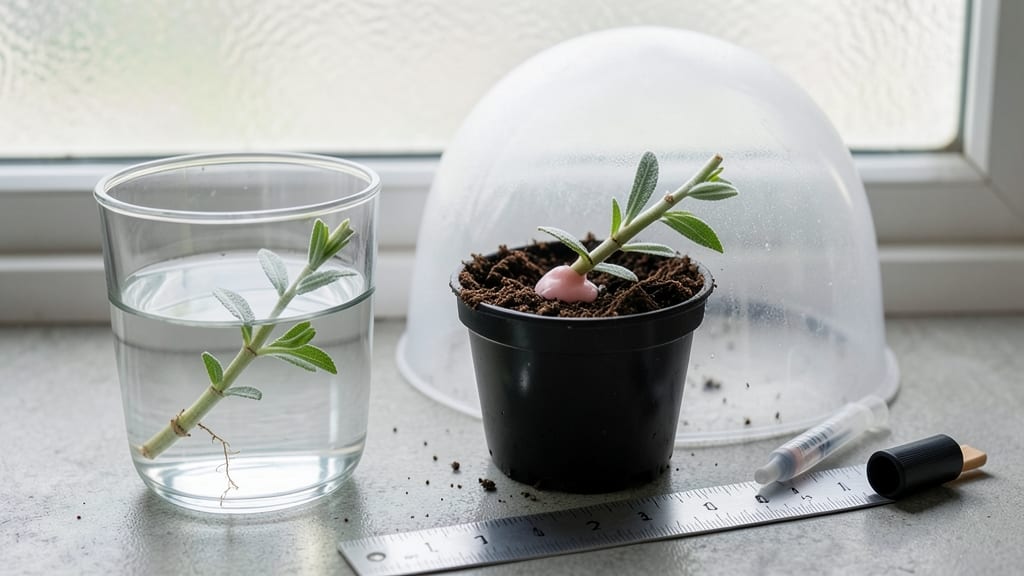
A tree branch can grow roots when you use layering or air layering techniques, where you encourage root development along the stem by creating a moist, nutrient-rich environment. This process relies on natural plant hormones and environmental conditions like humidity.
A tree branch grows roots through a natural biological process where specific hormones like auxin trigger cell division in the cambium layer. 🌱 When you wound the stem and maintain moisture—either through soil contact (layering) or wrapped moss (air layering)—you mimic the conditions that prompt root formation.
This isn't just about cutting a branch; it's about creating the right environment for the plant's own growth signals to activate.
What's fascinating is how this process mirrors how trees naturally propagate through layering when branches touch the ground. The key difference is we control the timing and conditions to accelerate root growth.
For example, air layering works best in warm, humid seasons when the tree is actively growing, while layering can be done year-round in mild climates.
💡 In This Article
- How Tree Branches Develop Roots Naturally
- Step-by-Step Air Layering Techniques for Root Growth
How tree branches develop roots naturally
The magic happens at the cellular level when auxin hormones—naturally produced in the plant—signal dormant cells in the cambium layer (the growth ring between bark and wood) to divide and form roots.
When you wound a branch by removing a ring of bark, you expose these cells to air and moisture, which triggers a chain reaction. The wound creates a stress response that boosts auxin production, while the moist environment prevents dehydration that would otherwise block root formation.
Think of it like a natural bandage: when a branch touches soil (like in ground layering) or stays wrapped in damp moss (air layering), the cambium cells receive the dual signals they need—water and oxygen—to start dividing.
For example, willow branches can sprout roots within 4-6 weeks when properly layered, while slower growers like maple may take 2-3 months. The key is maintaining 70-90% humidity around the wound site, which mimics the damp forest floors where many trees originally evolved.
What most people don't realize is how critical the timing is. Branches only develop roots when they're physiologically active—typically during the tree's spring growth flush when sap is flowing. This is why air layering fails if attempted in winter: the cambium is dormant.
Even in ideal conditions, only about 60-70% of attempts succeed because the branch must have enough stored energy (from the parent tree) to support new root growth while maintaining its leaves.
Nature uses this process all the time. Ever noticed how some branches that drag along the ground eventually take root and form new plants? That's natural layering! The weight of the branch creates pressure that breaks the bark slightly, while soil contact provides moisture.
Gardeners simply accelerate this by adding rooting hormones (which contain synthetic auxins) or using plastic wrap to trap humidity. The result is the same: roots form where they wouldn't naturally.
Here's what's actually happening chemically: when you wound the stem, you create a wound response that produces ethylene gas—a plant hormone that works with auxin to stimulate root formation. The ethylene also helps prevent pathogen infection at the wound site.
Without this hormonal cocktail, even with perfect moisture conditions, roots simply won't form. This is why some branches (like those from young trees) root more easily—they produce more auxin naturally.
For the best results, choose branches that are 1/4 to 1/2 inch thick and have at least 2-3 leaf nodes (where leaves attach). Thicker branches may not get enough moisture to the cambium, while thinner ones lack the energy reserves.
The ideal candidate is a branch that's still connected to the parent tree but shows signs of flexibility—this indicates it's young enough to respond to rooting signals.