
Planting
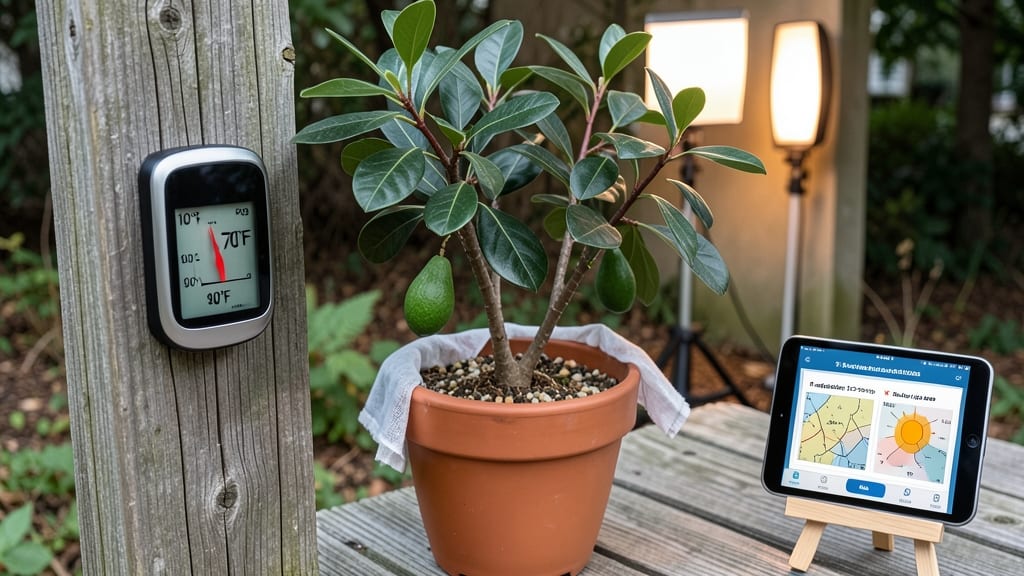
Growing avocado trees in Ohio is possible only in containers or greenhouses, since the state's cold winters (USDA Zones 5-7) regularly drop below the plant's 20°F minimum tolerance. While cold-hardy Mexican varieties like 'Mexicola' or 'Lamb Hass' can endure brief frost with protection, leaving them outdoors risks severe damage. Ohio gardeners must provide year-round indoor care with bright, indirect light to keep their trees thriving.
Ohio's climate presents a major challenge for avocado trees, which evolved in tropical regions where temperatures rarely fall below freezing. 🌱 The key difference lies in their native environment—avocados thrive in warm, humid conditions with consistent warmth, while Ohio's winters frequently dip into the teens or lower.
Even the hardiest varieties can't withstand prolonged exposure to frost, which causes leaf burn and root damage. For successful cultivation, gardeners need to replicate tropical conditions indoors, using grow lights or south-facing windows to provide the 6-8 hours of bright light these trees require daily.
What sets Mexican varieties apart is their slightly better cold tolerance compared to Guatemalan types, but neither can handle Ohio's winters outdoors. The solution? Moving potted trees indoors before the first frost and maintaining a consistent temperature above 50°F.
With proper care, you can enjoy fresh avocados year-round—though it takes patience, as trees grown from seed may take 5-13 years to bear fruit, while grafted varieties fruit faster.
💡 In This Article
- Avocado Tree Cold Tolerance and Ohio’s Growing Zones
- How to Grow Avocado Trees Indoors in Ohio
Avocado tree cold tolerance and Ohio’s growing zones
Avocado trees originate from tropical regions where temperatures rarely drop below 60°F, making Ohio’s winters (USDA Zones 5-7) a major challenge. The critical threshold is 20°F—any colder triggers irreversible damage.
Frost causes leaf burn by rupturing cell walls, while prolonged cold damages roots, stunting growth or killing the tree entirely. Even brief dips below 32°F can set back flowering and fruiting cycles, which require warm conditions to initiate.
Mexican varieties like 'Mexicola' or 'Lamb Hass' are slightly more cold-hardy, tolerating brief exposure to 28°F with protection, but they’re no match for Ohio’s deep freezes. Guatemalan types, like 'Hass,' are even more sensitive, with damage starting at 30°F.
The difference comes from their evolutionary adaptations: Mexican avocados developed in higher-elevation tropical zones with cooler nights, while Guatemalan varieties thrive in warmer lowlands. Ohio’s climate sits outside both ranges, forcing gardeners to rely on containers and controlled environments.
Ohio’s winter lows often reach 0°F or lower, far below avocado trees’ limits. For comparison, Miami (Zone 10B) rarely dips below 30°F, making it far more suitable for outdoor growth. The key is understanding that avocados need consistent warmth—not just during the day, but year-round.
This is why even protected outdoor planting in Ohio is risky: a single unexpected frost can undo months of growth, especially for young trees still establishing root systems.
What most gardeners don’t realize is how frost affects avocado trees at a cellular level. Ice crystals form in the plant’s vascular system, blocking water flow and causing oxidative stress. This is why you’ll often see brown, crispy leaves on frost-damaged trees—they’re unable to recover from the internal damage.
The solution? Mimicking tropical conditions indoors, where temperatures stay above 50°F and humidity levels remain high, similar to their native Mexican or Guatemalan habitats.
Consider these critical factors when evaluating cold tolerance:
- Leaf damage: Frost burns appear as brown, papery patches on leaves, often starting at the edges.
- Root damage: Prolonged cold causes roots to blacken and rot, cutting off nutrient uptake.
- Flowering impact: Cold snaps can prevent bud formation, delaying fruit production for years.
For Ohio gardeners, this means treating avocado trees like delicate houseplants—not outdoor perennials. The good news? With proper care, you can grow them indoors and enjoy fresh fruit year-round, though it requires commitment to replicating their tropical needs. 🌿