
Trees
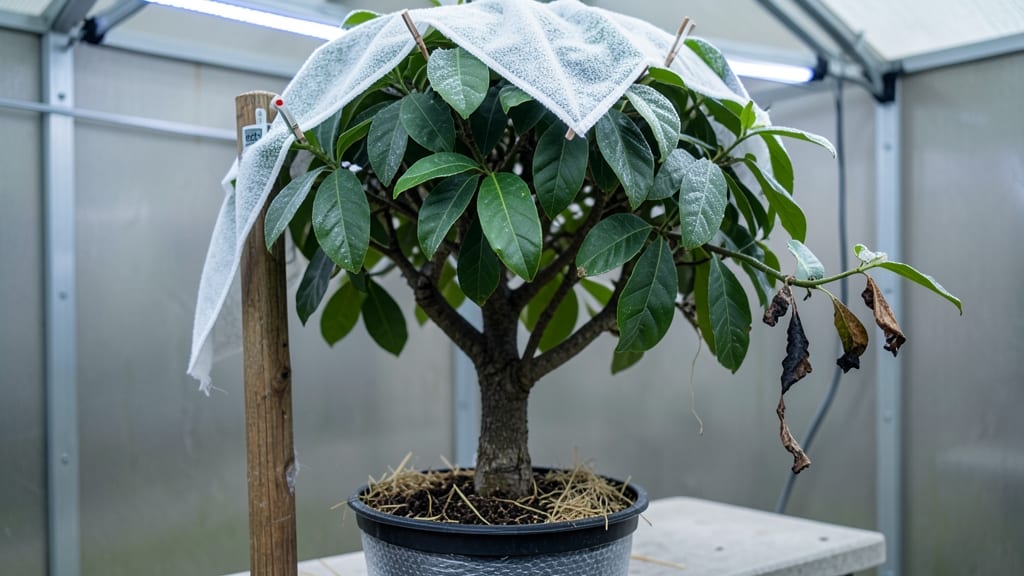
Mango trees can survive winter only in USDA zones 10-11, where temperatures rarely drop below 30°F (-1°C). In colder climates, they require heavy protection like wrapping trunks, insulating roots, and moving potted plants indoors to prevent frost damage or death.
Mango trees are tropical plants that struggle when temperatures dip below 30°F (-1°C), which is why they thrive best in warm climates like Florida or Southern California. 🌡️ In colder regions, even brief frost can kill leaves, damage bark, and weaken roots—leading to poor growth or death.
The key is creating a microclimate that mimics their native environment, whether through insulation, indoor relocation, or strategic pruning before winter arrives.
For container-grown mango trees, moving them indoors during winter is often the most effective solution. If you're growing in the ground, focus on protecting the trunk with thick burlap wraps and insulating the root zone with mulch.
Many gardeners also use frost cloths to shield leaves from cold snaps, which can help the tree survive until spring. The goal is to minimize stress on the plant while it's in its dormant phase.
💡 In This Article
- Mango Tree Cold Hardiness Zones Explained
- Winter Protection Strategies for Mango Trees
Mango tree cold hardiness zones explained
Mango trees (Mangifera indica) are tropical evergreens that evolved in warm climates where temperatures rarely fall below 60°F (15°C) year-round. Their cold hardiness is limited to USDA zones 10-11, where winter lows stay above 30°F (-1°C).
This threshold is critical because frost causes cellular damage in leaves, bark, and roots—especially in young trees or new growth. 🌡️ For example, a 28°F (-2°C) night can kill tender leaves, while 25°F (-4°C) risks bark cracking and root death.
The tree's survival hinges on its ability to maintain metabolic activity above 50°F (10°C). Below this, photosynthesis slows dramatically, and the tree struggles to repair frost damage. Mango bark, while thicker than leaves, can still split if temperatures drop suddenly—a common issue in zones 9 or colder.
Roots are the most vulnerable, as cold soil disrupts nutrient uptake and water absorption, leading to stunted growth or death by spring.
In colder regions, even brief cold snaps below 32°F (0°C) can trigger leaf drop and weaken the tree's structure. This is why gardeners in zones 8-9 often treat mango trees as annuals or use extreme protection.
The tree's native habitat—tropical rainforests with consistent warmth—explains why it lacks cold-resistant adaptations like deciduous trees or evergreens from temperate zones. 🌿
Here’s how frost affects each part of the tree:
- Leaves: Frost causes browning and curling, halting photosynthesis and weakening the tree
- Bark: Sudden cold can crack the trunk, creating entry points for pests and diseases
- Roots: Cold soil disrupts water uptake, leading to dehydration and nutrient starvation
For comparison, citrus trees (also tropical) share similar cold limits but can tolerate slightly cooler temps (25-28°F (-4°C) for short periods). Mangoes, however, are far more sensitive—even a 3-day stretch below 30°F (-1°C) can be fatal without protection. This is why microclimates (like urban heat islands or greenhouse setups) are essential for growing mangoes outside their native range. 🌎
Understanding these thresholds helps gardeners plan protection strategies. In zones 9-10, trees may survive with minimal care, but in zones 8 or below, they require year-round insulation or indoor overwintering. The key is mimicking the tree’s natural environment—consistent warmth and humidity—to prevent stress and damage. 💡