
Plants
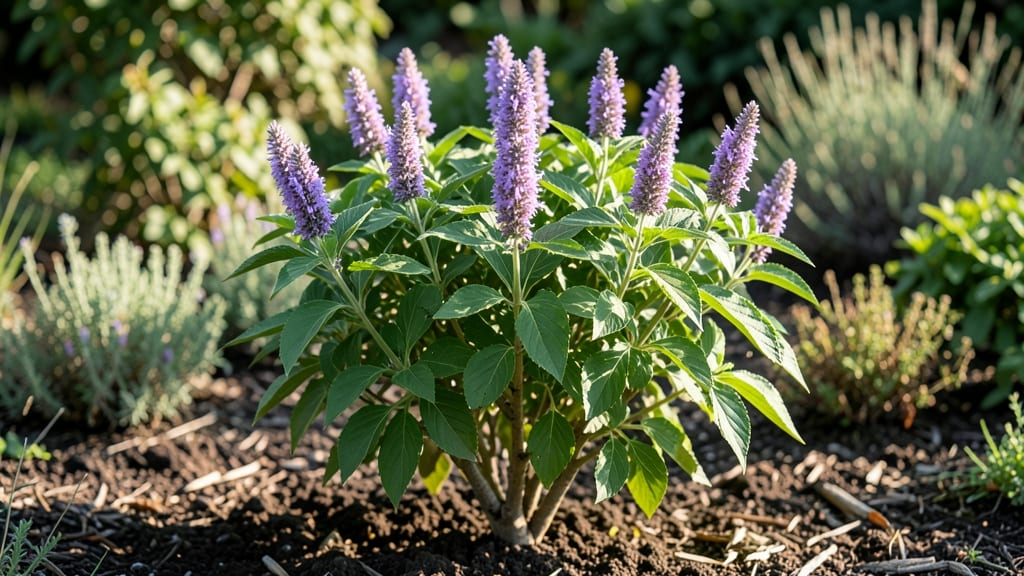
The chaste tree in Spanish is most commonly called vidriera, árbol de la castidad, or agracejo, each reflecting its historical medicinal and botanical significance in Latin American and Iberian cultures.
The names vidriera and árbol de la castidad highlight this plant's deep ties to Spanish herbal traditions, where it was prized for its supposed ability to suppress libido—hence "chaste." 🌿 In regions like Andalusia, agracejo (from "agracejo" meaning "bitter herb") emphasizes its medicinal properties, often used in folk remedies.
These names reveal how the chaste tree (Vitex agnus-castus) became intertwined with both religious symbolism and everyday healing practices across Spain and Latin America.
For gardeners in Spanish-speaking regions, understanding these names helps identify the plant's preferred growing conditions. The chaste tree thrives in warm climates with well-drained soil, making it a popular choice in Mediterranean Spain or tropical Latin America.
Its hardy nature and fragrant purple flowers also make it a favorite for ornamental gardens, blending practical uses with aesthetic appeal.
💡 In This Article
- How Spanish Names for Chaste Tree Reflect Its History
- Growing Chaste Tree (Vitex agnus-castus) in Spanish-Speaking Regions
How Spanish names for chaste tree reflect its history
The name vidriera comes from the plant's glass-like, translucent seed pods that resemble small glass beads (vidrio means "glass" in Spanish).
These pods were historically used in folk remedies to create protective amulets or charms, believed to ward off evil spirits and promote purity—hence the association with chastity. 🌿 The term reflects how medieval Spanish herbalists viewed the plant as both medicinal and spiritually protective, often growing it near churches or convents.
Árbol de la castidad ("tree of chastity") directly ties to the plant's reputation in 16th-century Spain, where it was prescribed to suppress libido in religious communities. This name emerged from monastic texts describing how the plant's compounds (like agnuside) interact with hormonal pathways, particularly dopamine and prolactin levels. 💫 Unlike other "chaste" plants, this tree's scientific name Vitex agnus-castus literally means "chaste Vitex," reinforcing its cultural significance in Iberian pharmacopeias.
In Latin America, agracejo (from agraz, meaning "bitter") highlights the plant's medicinal bitterness, used in teas to treat menstrual irregularities or menopausal symptoms.
The name spread through colonial-era herbalism, where indigenous healers blended Spanish botanical knowledge with local traditions. 🌎 For example, in Mexico's Yucatán Peninsula, agracejo was mixed with damiana (another bitter herb) to create tonics believed to "balance" women's health—a practice still documented in 19th-century Mexican pharmacies.
Linguistically, these names reveal regional dialects: vidriera dominates in Andalusia, árbol de la castidad in Castile, and agracejo in Central America.
The variation shows how the plant adapted to local climates—vidriera thrives in Spain's Mediterranean zones, while agracejo flourishes in tropical Latin America. 🌱 This geographic naming reflects the tree's resilience: it can grow in both semi-arid and humid conditions, making it a cultural bridge across Spanish-speaking regions.
The plant's fragrant purple flowers, which bloom from summer to fall, also influenced its names.
In Andalusian folklore, these flowers were called flores de la castidad ("flowers of chastity") and used in bridal bouquets to symbolize purity. 💜 The scent, described as "sweet with a herbal undertone," became tied to the tree's identity, further embedding it in Spanish wedding traditions.
Modern botanists note that while these names originated from medicinal beliefs, the chaste tree's actual effects are more nuanced.
Studies show it primarily modulates hormonal imbalances (like PMS or PCOS) rather than suppressing libido outright—a distinction lost in historical naming. 🔍 This linguistic evolution mirrors how plants move from myth to science, with names carrying centuries of cultural baggage.