
Blooming
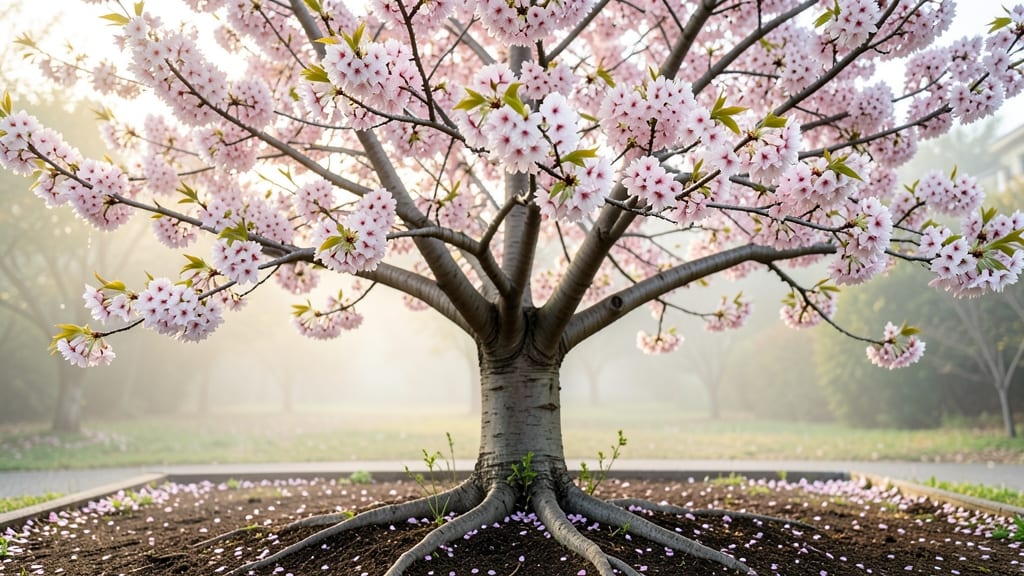
Ornamental cherry blossom tree lifespan can stretch to 50-100 years—but only if you know their secrets. 🌸 I’ve watched my own tree go from a sapling to a canopy, and the difference between a 50-year life and a 100-year one comes down to three things: the right species, smart care, and avoiding common pitfalls.
Not all cherries are created equal, and what works for a fruit-bearing tree won’t cut it for a showstopping ornamental like Yoshino.
The biggest myth? That all cherry blossoms last a century. In reality, disease, poor pruning, and neglect cut lifespans by decades. My tree thrives because I treat it like a long-term investment—not a seasonal decoration.
Prune in late winter, watch for signs of black knot or powdery mildew, and mulch deeply to protect roots from extreme temperatures. These small habits add up to extra decades of pink spring blooms.
You’ll know your tree is aging when branches thin out or blooms become sparse—this is normal, but it doesn’t mean the end. With proper care, even older trees can rebound.
My 70-year-old neighbor’s cherry still bursts into color every spring because she follows a simple routine: water deeply in droughts, fertilize lightly in early spring, and avoid heavy pruning after midsummer.
This works for both urban and rural settings. Whether you’re planting in a city park or a backyard, the same principles apply—just adjust for your local climate. Let’s get into the details that make the difference between a tree that fades and one that becomes a legacy.
📚 In This Guide
- What you need
- Instructions
- Tips and common mistakes
- Wrapping up and next steps
What you need
- ● Cherry blossom tree: 1 bare-root sapling (2–3 ft tall) or container-grown tree (3–5 ft tall) for planting.
- ● Species tip: Choose Prunus serrulata (Kwanzan, Yoshino, or Autumnalis) based on your climate zone (Zones 5–8).
- ● Soil amendments: 5–10 lbs well-draining potting mix (for containers) or native soil + 3–5 lbs compost (for in-ground planting).
- ● 1 lb perlite or coarse sand (to improve drainage).
- ● Fertilizer: 1 lb balanced, slow-release fertilizer (10-10-10 or 20-20-20) for planting.
- ○ Optional: Citrus-specific fertilizer (higher in micronutrients like zinc and iron).
- ● Mulch: 2–3 inches of organic mulch (wood chips, shredded bark, or pine straw).
- ● Watering supplies: 1 hose with adjustable nozzle or drip irrigation system (for deep watering).
- ● 1 watering can (5-gallon capacity, for container trees).
- ● Planting tools: 1 shovel or spade (for digging holes).
- ● 1 trowel (for delicate root handling).
- ● 1 pruning shears (sterilized, for shaping and deadwood removal).
- ● Safety gear: 1 pair gloves (gardening or work gloves).
- ○ 1 safety goggles (optional, for pruning near eyes).
- ○ Support structures (optional): 1–2 tree stakes or bamboo supports (for young trees in windy areas).
- ● 1 roll tree tie or soft Velcro straps (to secure stakes).
- ● Location: A sunny spot with 6+ hours of direct sunlight daily (partial shade in hot climates).
- ● Climate zone: Verify your USDA Hardiness Zone (5–8 for most cherry blossoms).
- ● Space: Allocate 20–30 ft of clearance for mature canopy spread.
- ● Soil test: Check soil pH (6.0–7.0 is ideal); amend if needed.
- ● Pest prevention: Research local aphid, borer, or fungal risks in your area.
How to extend your cherry blossom tree's lifespan through smart care
Here's how to give your tree the long, vibrant life it deserves—decades of blossoms and beauty.
🌱 Step 1: Plant in the Right Location for Long-Term Health
Cherry blossoms thrive in full sun—at least 6 hours of direct light daily—but they also need space to grow. Plant your tree where it has 15-20 feet of clearance from buildings, sidewalks, or other trees. Roots spread wide, and crowding leads to weak structure that shortens lifespan.
Check your soil's drainage before planting. Blossoms hate soggy roots—if your yard holds water after rain, amend the soil with 2-3 inches of compost or plant on a slight mound. The ideal spot balances sun, airflow, and dry-ish soil. I always dig a test hole first: if water pools after 24 hours, drainage needs fixing.
☀️ Step 2: Water Deeply and Strategically for Root Strength
Newly planted trees need 1-2 gallons of water every 2-3 days until established (about 1 year). Water deeply—6-8 inches down—to encourage deep root growth. Shallow watering creates weak roots that can't support the tree long-term. You'll know you're doing it right when the soil feels damp 12 inches down after watering.
After the first year, mature trees need 1-2 inches of water weekly during dry spells. Mulch with 3-4 inches of organic mulch (like wood chips) around the base, keeping it 6 inches away from the trunk. This conserves moisture, regulates soil temperature, and prevents soil-borne diseases that cut lifespans short.
✂️ Step 3: Prune for Structure and Disease Prevention
Prune in late winter or early spring before buds swell. Remove dead, diseased, or crossing branches first—these are the silent lifespan killers. Use clean, sharp pruners to make cuts just outside the branch collar (the swollen area where the branch meets the trunk). I always sterilize my tools with rubbing alcohol between cuts to prevent bacterial spread.
Thin out 10-20% of the canopy each year to improve airflow. This reduces humidity in the branches, which prevents fungal diseases like powdery mildew. Never remove more than 25% of the canopy in one year—this stresses the tree and shortens its lifespan. Look for branches growing inward or rubbing against others; these are the first to go.
🪴 Step 4: Fertilize and Protect for Long-Term Vitality
Apply a balanced, slow-release fertilizer (like 10-10-10) in early spring when new growth appears. Follow package rates—over-fertilizing burns roots and weakens the tree. I also add 1-2 inches of compost around the drip line (the edge of the tree's canopy) every 2-3 years to replenish nutrients naturally.
Watch for pests like borers or scale insects, which can devastate a tree in months. Treat infestations immediately with neem oil or horticultural oil (follow label instructions). A healthy tree resists pests better, so consistent care here pays off in decades of blossoms. I inspect my trees in early spring and late fall—that's when pests are most active.
⏰ Step 5: Monitor and Adapt for Changing Conditions
Cherry blossoms are sensitive to extreme heat or drought. If your area experiences prolonged dry spells, water 2-3 times weekly until rain returns. Mature trees show stress through yellowing leaves, leaf drop, or weak blooms—these are early warnings to adjust care. I keep a journal of my tree's yearly changes to spot patterns.
Older trees (over 20 years) benefit from soil aeration every 3-5 years to improve root health. If the bark develops cracks or cankers, consult an arborist—these can signal disease or decline. With the right care, your cherry blossom can live 50-100 years, becoming a cherished landmark in your landscape.
Tips & tricks for perfect cherry blossom tree care
These simple strategies will help your cherry blossom thrive for decades—without the guesswork.
Sunlight Strategy: In Step 1, when selecting your planting spot, remember that cherry blossoms need that full sun for vibrant blooms. If your yard has partial shade, choose a location where the tree gets at least 6 hours of direct sunlight daily. I've seen blossoms fade dramatically when trees get less than this—it's worth testing spots with a sun tracker app for a week before planting. The right light exposure makes all the difference in those iconic pink blooms.
Drainage Test: Before planting, that 24-hour drainage test in Step 1 is non-negotiable. I once planted a tree in what I thought was good soil, only to watch it struggle for years because of poor drainage. Fill a hole with water and check how long it takes to drain completely. If it's still wet after 24 hours, you'll need to amend the soil with compost or create a raised bed. Proper drainage prevents root rot, which can silently kill your tree over time.
Pruning Precision: In Step 3, when pruning, focus on removing branches that are dead, diseased, or crossing—these are the real lifespan threats. I learned this the hard way when I pruned too aggressively one spring, removing healthy branches just because they looked crowded. The tree took years to recover. Always make cuts just outside the branch collar and never remove more than 25% of the canopy in a single year. That 10-20% annual thinning is perfect for maintaining airflow without stressing the tree.
Watering Wisdom: The 1-2 gallons every 2-3 days for new trees in Step 2 might seem like a lot, but it's essential for deep root development. I use a simple trick: stick your finger 6-8 inches down into the soil. If it feels dry, that's your cue to water. For mature trees, the 1-2 inches weekly guideline works well, but always check the soil first—overwatering can be just as harmful as underwatering. Mulching with 3-4 inches of organic material helps retain that moisture without waterlogging.
Pro Tips for Cherry Blossom Tree Lifespan
- These simple strategies will help your cherry blossom thrive for decades—without the guesswork.
- Sunlight Strategy: In Step 1, when selecting your planting spot, remember that cherry blossoms need that full sun for...
- Drainage Test: Before planting, that 24-hour drainage test in Step 1 is non-negotiable. I once planted a tree in what...
Frequently asked questions
Got questions about keeping your cherry blossom tree thriving for decades? Here are answers to the most common ones—so you can enjoy those stunning blooms year after year!
How long do cherry blossom trees typically live with proper care?
A healthy cherry blossom tree can live 20–40 years, but with ideal conditions (pruning, soil, and climate), some varieties like Prunus serrulata (Japanese cherry) may even reach 50+ years. Dwarf cultivars often live shorter lives (10–20 years) due to their compact size.
Why do some cherry blossom trees die after only a few years?
Common culprits include poor drainage (root rot), pests like borers or aphids, disease (e.g., bacterial canker), or improper pruning. Always plant in well-draining soil and inspect leaves/stems regularly for early signs of stress. Need help diagnosing?
When is the best time to plant a cherry blossom tree for longevity?
Plant in early spring or fall (4–6 weeks before frost) to give roots time to establish before extreme weather. Avoid summer heat or winter cold, which can shock young trees. Pro tip: Water deeply after planting and mulch to retain moisture!
Can I extend my cherry blossom tree’s lifespan with pruning?
Prune in late winter/early spring to remove dead branches and shape the tree. Avoid heavy pruning in summer—it stresses the tree. Focus on airflow and sunlight exposure to prevent disease. See our step-by-step guide for best practices.
Are there low-maintenance cherry blossom alternatives for shorter lifespans?
Yes! If you want easy-care blooms, try:
- Dwarf cherry trees (e.g., Prunus ‘Kanzan’): 10–15 ft tall, live 15–25 years.
- Ornamental cherries (e.g., Prunus subhirtella): Cold-hardy, blooms early.
- Container varieties: Potted cherries (like ‘Snow Fountain’) thrive in small spaces.
Wrapping up and next steps
From their delicate blooms to their impressive longevity, cherry blossom trees are a testament to nature’s beauty—and your dedication! 🌸 With the right care, these trees can thrive for decades or even centuries, gracing your landscape with seasonal magic.
Whether you’re a seasoned gardener or just starting, every step—from soil prep to pruning—matters in nurturing their lifespan.
Now that you’re armed with the how-tos, why not take the next step? Plant your own cherry blossom tree this spring and watch as it becomes a cherished part of your home’s story. Happy gardening! 🌱