
Blooming
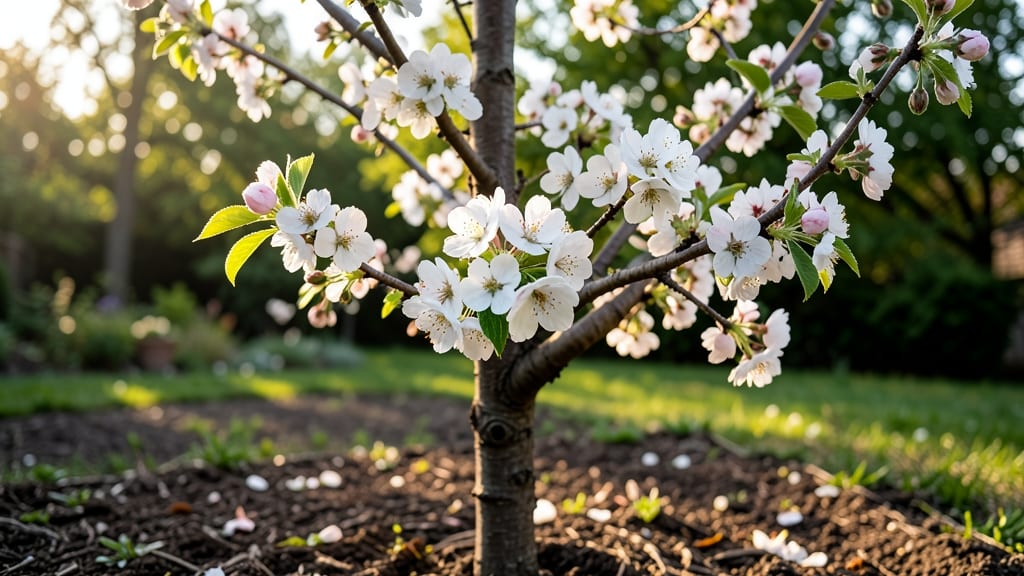
The time when a cherry tree blooms 🌸 depends entirely on its type and where you live — and getting it right means the difference between a burst of spring color and a season of disappointment.
Picture this: You’ve waited all winter for your cherry tree to wake up, only to find the buds still tight as frost lingers. Or worse, the flowers fade before you’ve even snapped a photo. Timing is everything, and the wrong zone or variety can throw off your whole spring plan.
From sweet cherries that burst into bloom in early April to tart varieties that linger into May, each type has its own schedule. Throw in climate zones, last-frost dates, and even last year’s weather, and suddenly predicting bloom time feels like solving a puzzle.
Here’s how to decode your cherry tree’s calendar — from picking the right variety for your zone to tweaking care habits that can nudge those blossoms earlier (or later) than expected.
Cherry tree bloom time by variety: when to expect flowers
Predicting when your cherry tree will burst into bloom depends on its type—whether it's a sweet cherry, tart cherry, or ornamental cherry. Each variety has distinct timing, influenced by climate and regional averages. Understanding these differences helps you plan for stunning spring displays or successful fruit harvests.
Bloom times also vary between early-season, mid-season, and late-season varieties, with some flowering as early as late winter and others waiting until late spring. For example, the Stella® tart cherry blooms in early April, while the Black Tartarian waits until mid-April.
In the U.S., bloom windows shift by 1-3 weeks depending on your USDA hardiness zone. Southern gardeners in Zone 7 may see blooms in March, while northern gardeners in Zone 5 might not see flowers until May. European varieties often bloom slightly later due to cooler climates.
Ornamental cherry trees like the Kwanzan cherry (Prunus serrulata 'Kwanzan') are prized for their pink double blooms, typically appearing in mid-April in most regions. These trees are non-fruiting, so their bloom time is purely for aesthetic value.
Sweet cherries, such as Bing or Rainier, usually bloom in late April, aligning with pollinator activity. Tart cherries, like Montmorency, often bloom slightly earlier to avoid late frost damage to blossoms.
If you're in Zone 6 or colder, prioritize late-blooming varieties like Lapins or Meteor to avoid frost damage. These trees bloom after the last expected frost, ensuring healthier fruit production.
In warmer climates (Zones 8-10), early bloomers like Black Tartarian thrive, often flowering in February or March. However, these trees may require light frost protection if late frosts are common in your area.
European cherry varieties, such as the Morello cherry, typically bloom 2-3 weeks earlier than their U.S. counterparts due to cooler spring temperatures. This timing aligns with Europe's milder winters and delayed frost dates.
For gardeners in urban areas, microclimates can shift bloom times by up to 10 days. Trees near buildings or pavement may bloom earlier due to heat retention, while those in shaded areas might delay blooming until warmer temperatures arrive.
Monitor your local National Weather Service forecasts for chilling hours (below 45°F) and heat accumulation in spring. These factors directly influence when your cherry tree will push buds and bloom.
🌸
How climate zones affect cherry tree bloom timing
Understanding your USDA hardiness zone is the first step to predicting when your cherry tree will bloom. These zones—ranging from Zone 4 to Zone 9—dictate when trees emerge from dormancy and trigger flowering.
For example, a tart cherry in Zone 5 may bloom in late April, while the same variety in Zone 8 could flower as early as mid-March. Local frost dates also play a critical role, as late frosts can damage delicate blossoms.
Microclimates further refine bloom timing. A sunny, south-facing slope might warm up faster than a shaded valley, causing nearby trees to flower 1-2 weeks earlier. Even urban areas with heat islands can accelerate blooming by 5-7 days compared to rural zones.
To get precise predictions, check your local weather station data for chilling hours—a key factor for cherry trees that require 600-1,000 hours below 45°F to bloom reliably.
🌱 Key Factors for Cherry Tree Bloom Timing
- 1. USDA Zone: Zone 4-5 = late April blooms; Zone 7-9 = February-March blooms.
- 2. Frost Dates: Avoid planting early bloomers in zones with late spring frosts (e.g., Zone 6).
- 3. Chilling Hours: 600-1,000 hours below 45°F triggers dormancy break.
- 4. Microclimates: South slopes bloom 1-2 weeks earlier than shaded areas.
- 5. Variety Matters: Stella® (tart) blooms earlier than Rainier (sweet).
Pruning also ties into bloom timing. If you prune too late in the season, you risk removing next year’s flower buds, which form in late summer. For sweet cherries, prune in late winter (before buds swell) to avoid cutting off potential blossoms.
In contrast, ornamental cherries like Yoshino can handle light pruning in early spring without major bloom disruption, as their flowers appear on older wood.
Local weather data tools like the National Oceanic and Atmospheric Administration (NOAA) or local cooperative extension services provide chilling hour forecasts. For instance, if your area has 800 chilling hours by February, a Stella® tart cherry (which needs 750-900 hours) is likely ready to bloom.
Cross-reference this with your last frost date—planting a late-blooming variety in a zone with early springs (e.g., Zone 9) ensures blossoms appear after frost risk.
Adjust your planting strategy based on your zone. In Zone 4, opt for late-blooming varieties like Montmorency to avoid frost damage. In Zone 8, early bloomers like Black Tartarian thrive with minimal frost risk.
Always plant 2-3 varieties for cross-pollination, but ensure their bloom times overlap—even a 1-week difference can reduce fruit set.
Monitor your tree’s progress by tracking bud swell—a sign dormancy is ending. In Zone 6, this typically happens in early April, while in Zone 7, it may start in late March.
Use a garden journal to note yearly variations, as climate shifts can alter bloom timing by 10+ days over a decade. For example, my Yoshino cherry in Zone 7b bloomed March 10 in 2020 but shifted to February 28 in 2023 due to warmer winters.
By aligning your variety choice, zone knowledge, and microclimate awareness, you’ll predict—and even influence—your cherry tree’s bloom time with confidence. Start by checking your USDA zone, then refine with local data to turn your garden into a timely spring spectacle. 🌸