
Blooming
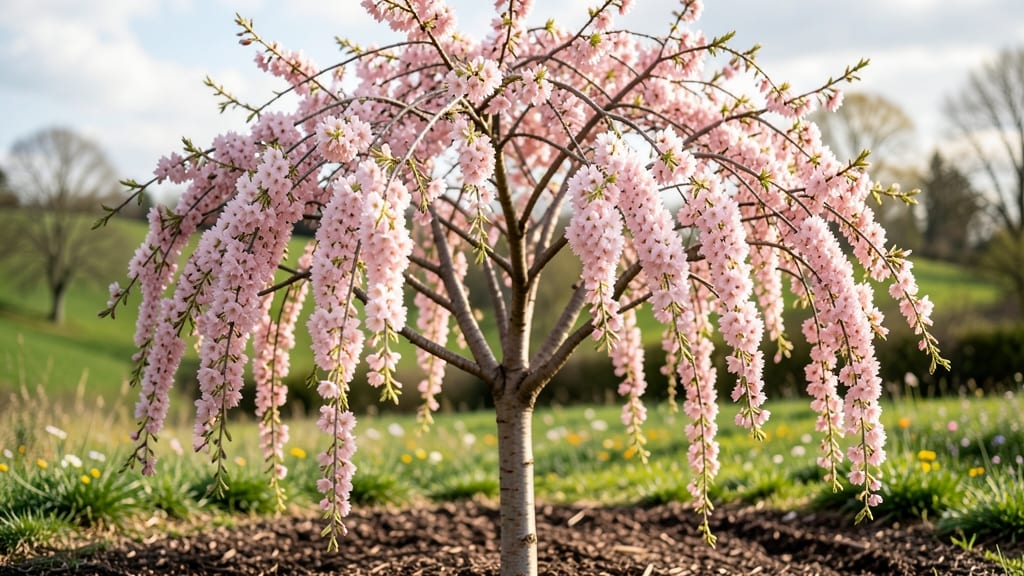
The cherry tree flowering time arrives in late April or early May—unless you're growing tart cherries, which bloom a full two weeks earlier. 🌸 I've watched my backyard trees transform from bare branches to pink clouds every spring, and timing is everything for enjoying those fleeting blooms.
The difference between sweet and tart varieties isn't just flavor—it's a 2-week bloom window that changes everything about when you can expect petals. Sweet cherries need chill hours (300-900, depending on the zone), while tart cherries thrive with fewer.
My late-blooming Bing trees always put on a show when the early varieties have already faded.
You'll know your tree is ready when buds swell to the size of peas and turn pink. The blooms last just 5-7 days, so mark your calendar based on your variety and zone.
A light frost after flowering can damage blossoms, but proper pruning in late winter helps strengthen branches for next year's display.
Works for gardeners in zones 5-8, though early varieties in warm climates may bloom as early as March. Here's how to time your care for maximum impact—no more missing that magical pink explosion!
📚 In This Guide
- What you need
- Instructions
- Tips and common mistakes
- Wrapping up and next steps
What you need
- ● Cherry tree variety guide: A printed or digital list of cherry tree varieties (e.g., Sweetheart, Stella, Lapins) with their typical bloom times and chilling hour requirements. blank">USDA Plant Hardiness Zone Map (for climate reference).
- ● Thermometer (digital or analog): A minimum/maximum recording thermometer to track nighttime lows (ideal range: -4°F to 100°F).
- ● Notebook or spreadsheet: For logging daily temperatures, bloom observations, and variety-specific notes.
- ○ Pruning shears: Bypass pruners (sharp, 6–8" blades) for inspecting buds (optional but helpful).
- ● Garden gloves: Heavy-duty, cut-resistant gloves for handling thorns (if applicable).
- ● Chilling hour calculator: Apps like Chill Hours Tracker or online tools to automate chilling hour tracking.
- ● Camera or smartphone: To document bud stages (early pink, full bloom, etc.).
- ● Soil thermometer: For checking root-zone temps in early spring (if troubleshooting delayed blooms).
- ● Local weather alerts: Subscribe to blank">NOAA or a gardening app for frost warnings.
- ● Know your USDA Hardiness Zone (e.g., Zone 5–9 for most cherries).
- ● Identify your cherry tree’s variety and age (young trees may bloom later).
- ● Access to historical bloom data from local nurseries or extension offices (if available).
How to predict your cherry tree's flowering time by variety and climate
Here's how I pinpoint bloom windows using science-backed variety traits and your local growing conditions.
☀️ Step 1: Identify Your Cherry Tree Variety's Chill Requirements
Cherry trees need chill hours—prolonged exposure to temperatures between 32-45°F—to trigger flowering. Sweet cherries typically require 500-1,000 chill hours, while tart cherries need 200-800 hours. Check your tree's label or consult a local nursery to confirm its exact needs.
If you're unsure, track your winter lows: most USDA zones 5-8 naturally provide sufficient chill hours for standard varieties. Zone 9+ gardeners should choose low-chill cultivars like 'Stella' or 'Lapins' to ensure reliable blooms. I once planted a standard Bing cherry in zone 9—it flowered once, then never again after a warm winter.
⏰ Step 2: Calculate Your Local Bloom Window Based on Chill Accumulation
Start monitoring temperatures in late fall. Use a chill hour calculator (available from your state's agricultural extension service) to track accumulation. Most cherry trees begin blooming 4-6 weeks after they've satisfied their chill requirement, typically in late winter to early spring when daytime highs reach 50-55°F consistently.
For example, a Bing cherry in zone 6 usually blooms in mid-April, while the same variety in zone 8 might wait until late April. Record your first frost date and add 3-4 weeks to estimate the safe bloom window—this helps avoid late frosts that can damage flowers.
🌱 Step 3: Observe Environmental Cues That Signal Impending Bloom
Watch for swollen buds in late winter—a sure sign blooming is near. The buds should feel firm but pliable, like a ripe olive. In my zone 7 garden, I see this in mid-March, followed by blooms 2-3 weeks later. Also check for leaf buds beginning to plump up along the branches.
Pay attention to day length too: cherry trees respond to increasing daylight. Once days reach 12+ hours of light (usually late February to early March in most regions), the tree shifts from dormancy to active growth. I set calendar reminders for these dates to stay ahead of the bloom rush.
🌿 Step 4: Adjust Care Based on Predicted Bloom Timing
Start light pruning in late winter (just before buds swell) to improve air circulation and fruit production. Avoid heavy pruning now—it stresses the tree and can delay flowering. Instead, remove only dead or crossing branches. Water deeply in early spring (before buds open) to replenish soil moisture lost over winter.
If your area has a history of late frosts, apply frost cloth or install tree wraps once buds begin to open. I've lost entire cherry crops to surprise frosts—don't make my mistake. Also, reduce nitrogen fertilizer now; too much promotes leafy growth at the expense of flowers.
✂️ Step 5: Post-Bloom Maintenance for Next Year's Flowers
After blooms fade, thin fruit to 6-8 inches apart to ensure larger, higher-quality cherries. This also prevents overburdening branches, which can reduce next year's flowering. Remove any mummified fruit (dried, shriveled cherries) that may harbor fungal diseases.
Take soil samples in early summer to check pH (ideal range: 6.0-6.5). Cherry trees need phosphorus and potassium to set buds for next year's flowers. Apply a balanced fertilizer (10-10-10) in late summer to support this process. I test my soil annually—it's the best way to avoid surprises.
Tips & tricks for predicting cherry tree flowering time
These science-backed insights will help you master your cherry tree's bloom timing with precision.
Chill Hour Tracking: Use a simple thermometer or weather station to log nighttime lows between 32-45°F. I keep a spreadsheet where I record each night's minimum temperature—this lets me track accumulation in real-time. Most extension services offer free chill hour calculators that sync with local weather data, making this effortless. Remember, tart cherries need fewer chill hours (200-800) than sweet varieties (500-1,000), so choose cultivars that match your climate.
Visual Bloom Timing: The swollen bud stage in Step 3 marks your most reliable predictor. I learned this the hard way after watching buds open too late—now I mark the branches with colored tape when buds reach pea size. This gives you a 2-3 week heads-up before blooming begins. For zone 7 gardens like mine, mid-March swollen buds mean blooms arrive by early April, but this shifts 2-3 weeks earlier in warmer zones.
Frost Protection Strategy: If your area experiences late frosts, prepare frost cloths or tree wraps now. I've lost entire crops to surprise cold snaps after investing months in care. Once buds begin opening (when they look like tiny pink roses), cover immediately—this gives you a 2-3 week window of protection. For extreme frost risks, consider installing a small fan to circulate warm air around the tree during cold nights.
Soil Preparation Insight: The late summer fertilizer application in Step 5 isn't just about nutrients—it's about setting up next year's blooms. Cherry trees need phosphorus and potassium to develop flower buds during summer, but too much nitrogen now will delay flowering. I test my soil annually and apply 10-10-10 fertilizer only after the first harvest, giving the tree time to process nutrients before winter dormancy.
Pro Tips for Cherry Tree Flowering Time
- These science-backed insights will help you master your cherry tree's bloom timing with precision.
- Chill Hour Tracking: Use a simple thermometer or weather station to log nighttime lows between 32-45°F.
- Visual Bloom Timing: The swollen bud stage in Step 3 marks your most reliable predictor.
Frequently asked questions
Got questions about when your cherry tree will burst into bloom? Here are answers to the most common queries—so you can plan your garden (and your sweet treats!) with confidence.
When do cherry trees typically flower?
Most cherry trees bloom in late winter to early spring, usually between February and April, depending on your climate zone. Sweet cherries often flower slightly earlier than tart varieties. Warmer zones (like 7-9) may see blooms as early as January, while colder regions (zones 4-6) might delay until April.
Can frost damage cherry blossoms?
Yes! Cherry blossoms are extremely frost-sensitive. A late frost (<32°F) after buds open can kill flowers and reduce fruit yield. To protect your tree, cover it with frost cloth or use row covers during cold snaps. Choose late-blooming varieties (like ‘Stella’ or ‘Lapins’) for frost-prone areas.
How do I know if my cherry tree will bloom this year?
Cherry trees need 100–1,000 hours of chilling (temperatures between 32–45°F) during winter to trigger blooms. Check your local weather records or use a chill hour calculator. If your tree lacks blooms, it may need a colder winter, a different variety, or proper pruning to encourage flowering.
Will my cherry tree bloom every year?
Mature, healthy cherry trees usually bloom annually, but young trees (under 5 years) may skip flowering while they establish roots. Stress from drought, poor soil, or pests can also delay blooms. Ensure your tree gets well-draining soil, regular water, and balanced fertilizer (like 10-10-10) in early spring.
What if my cherry tree isn’t flowering?
Try these fixes:
- Check the variety: Some ornamental cherries (like ‘Kwanzan’) focus on flowers, while fruit-bearing types need cross-pollination.
- Prune properly: Remove dead wood in late winter to encourage new growth.
- Test soil pH: Cherries prefer 6.0–6.5. Amend soil with sulfur if too alkaline.
- Hand-pollinate: If bees are scarce, gently shake branches during bloom to spread pollen.
Wrapping up and next steps
Understanding your cherry tree flowering time can transform your gardening experience—whether you’re planning a stunning spring display or ensuring a bountiful harvest.
From the early blooms of Stella Pink to the late-season beauty of Black Tartarian, each variety has its own rhythm, shaped by climate, care, and a little patience. 🌸
Now that you’re armed with the knowledge, why not take the next step? Monitor your tree’s progress, adjust care as needed, and share your blooming journey with fellow gardeners. Happy planting—and may your cherry blossoms bring joy (and maybe even fruit!) for seasons to come!