
Pruning
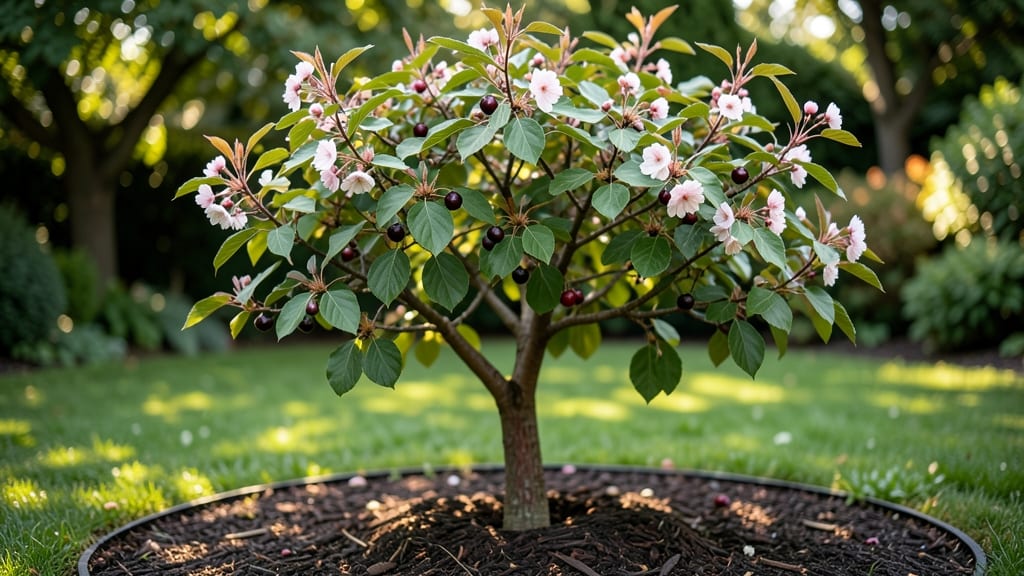
A cherry tree in your backyard transforms privacy from a dream to a lush, seasonal reality—but not all varieties or placements deliver. 🌿 I planted mine along my fence line, and within three years, the dark green canopy blocked nosy neighbors while adding stunning spring blooms and fall color.
The key? Choosing the right type (ornamental for show, fruit-bearing for harvest) and giving it space to grow without crowding your patio.
Start by checking sunlight: most cherries need 6+ hours of direct sun daily, but some varieties tolerate partial shade. Soil should drain well—amend heavy clay with compost—and avoid planting too close to structures (roots spread wider than the canopy).
Dwarf varieties save space, but even they need 10-15 feet of clearance for mature growth. Prune young trees to encourage upward growth and fill gaps—this shapes your privacy screen faster.
By year three, you’ll have a year-round screen that’s fragrant in spring, shaded in summer, and fiery in autumn. The tree’s roots also improve soil for nearby perennials like hostas or ferns, creating a layered, low-maintenance backdrop. Just avoid planting near lawns—cherries hate competition for water and nutrients.
For extra impact, flank the tree with evergreen shrubs like boxwood or holly for winter coverage. Mulch annually to retain moisture, and fertilize lightly in early spring. The trade-off? Patience—full privacy takes 5-7 years, but the payoff is a backyard that feels like a secret garden. Worth every wait.
📚 In This Guide
- What you need
- Instructions
- Tips and common mistakes
- Wrapping up and next steps
What you need
- ● Cherry tree sapling: 1-2 dwarf or semi-dwarf varieties (e.g., Stella® or Black Tartarian)—check local nurseries for disease-resistant options.
- ● Pruning tools: 1 pair bypass pruners (for clean cuts on small branches).
- ● 1 pruning saw (for thicker branches, 3–5 inches in diameter).
- ● 1 loppers (for medium branches, 1–3 inches thick).
- ● Planting supplies: 1 shovel (for digging holes, 12–18 inches deep).
- ● 1 garden hose (for watering post-planting).
- ● 1 mulch (3–4 inches of wood chips or pine straw to retain moisture).
- ● Safety gear: 1 pair gloves (cut-resistant for pruning).
- ● 1 safety goggles (to protect from debris).
- ● 1 tree stake (to support young saplings in windy areas).
- ● 1 fertilizer (balanced 10-10-10 or organic compost for nutrient boost).
- ● 1 tree spray (for pest/disease prevention, like neem oil).
- ● 1 soil test kit (to check pH and nutrient levels before planting).
- ● Decorative elements: Solar lights or trellises to enhance your privacy screen vibe!
How to plant and maintain a cherry tree for year-round privacy
This cherry tree isn’t just a pretty addition—it’s your living privacy screen that thrives year-round with minimal fuss.
🌱 Step 1: Choose the Right Variety for Compact Growth
Select a dwarf or semi-dwarf cultivar like 'Stella Compact' or 'Royal Raindrops'—these stay under 12-15 feet tall and wide, perfect for tight backyards. Check your hardiness zone (most cherries thrive in zones 5-8) and avoid weeping varieties unless you have space for their horizontal spread.
Look for 1-2 year old bare-root trees at nurseries—they establish faster than container-grown ones. If planting in spring, choose a dormant tree; for fall, pick one with closed buds. Avoid trees with cracked bark or oozing sap—these signal disease or pest issues.
🪴 Step 2: Prepare the Planting Site with Proper Drainage
Dig a hole twice as wide as the root ball but no deeper—cherry roots need room to spread horizontally but hate being buried too deep. Work the native soil loose to 12 inches deep and mix in 2-3 inches of compost to improve fertility without suffocating roots.
Test drainage by digging a 12-inch deep hole elsewhere in the site—fill it with water. If it drains in under 4 hours, your soil is fine. If not, mound the planting area 6 inches high to prevent waterlogging. Cherry trees despise soggy roots and will decline quickly in poor drainage.
☀️ Step 3: Plant at the Correct Depth and Water Thoroughly
Position the tree so the graft union (visible bump near the base) sits 2-3 inches above soil level—this prevents it from being buried too deep as soil settles. Spread roots gently outward (never bend them) and backfill with native soil mixed with compost, tamping lightly every 3 inches to remove air pockets.
Create a 4-inch tall soil berm around the base to direct water to roots. Water immediately with 5 gallons until the soil 6 inches down is thoroughly moist. Mulch with 3 inches of wood chips, keeping it 6 inches away from the trunk to prevent rot. This mulch ring retains moisture and regulates soil temperature.
💧 Step 4: Establish a Watering Schedule for First Two Years
Water deeply every 7-10 days during the first growing season, aiming for 10-15 gallons per week—enough to moisten soil 12 inches deep. Use a soaker hose or drip irrigation to avoid wetting leaves, which reduces fungal risks. Check moisture by sticking your finger 3 inches down; if dry, water again.
After two years, the tree’s roots will establish deeper, and you can reduce watering to once every 2-3 weeks unless there’s prolonged drought. Overwatering is worse than underwatering—yellowing leaves or mushrooms at the base signal you’re drowning the roots. Adjust based on rainfall; no need to water if 1 inch of rain falls in a week.
✂️ Step 5: Prune for Shape and Health in Late Winter
Wait until dormant season (late February to early March) to prune—this prevents disease spread and encourages strong spring growth. Remove dead, crossing, or inward-growing branches first, then shape the tree by cutting back 1/3 of last year’s growth to encourage bushiness. Use clean, sharp pruners and make cuts just outside the branch collar.
Thin the canopy by removing suckers (shoots at the base) and water sprouts (vertical shoots). Leave 4-6 main branches spaced evenly around the trunk to ensure sunlight reaches all foliage. Seal larger cuts (over ½ inch) with pruning sealant to prevent disease entry points.
Tips & tricks for perfect year-round privacy with cherry trees
These game-changing insights will help you transform your backyard into a lush, private sanctuary with minimal effort.
Variety Selection Wisdom: When choosing between 'Stella Compact' and 'Royal Raindrops', consider your specific needs. 'Stella Compact' offers slightly better disease resistance for urban areas, while 'Royal Raindrops' provides slightly denser foliage for privacy. I always check the nursery's growing conditions—ask if they've had success with these varieties in your climate zone before purchasing.
Drainage Test Hack: For that critical 4-hour drainage test, use a clear plastic bottle instead of digging a hole. Cut the bottom off, place it in the test hole, and fill it with water. The time it takes to empty completely gives you an accurate reading. This method prevents soil compaction from repeated digging and saves you from creating unnecessary holes in your planting area.
Planting Depth Visual: To ensure your graft union stays exactly 2-3 inches above soil level, use a simple DIY gauge. Create a marker by tying a piece of string around a pencil at the 2-inch mark. When you insert the pencil into the hole, the string will indicate the perfect planting depth. This visual cue prevents the common mistake of burying the graft union too deep, which can lead to poor growth.
Watering System Strategy: Invest in a soaker hose or drip irrigation system right from the start—it's worth the initial cost. These systems deliver water directly to the roots at the base of your tree, preventing fungal issues that often come from overhead watering. I've seen cherry trees thrive with these systems even during drought conditions because they maintain consistent moisture without wetting the leaves.
Pro Tips for Cherry Tree In Backyard
- These game-changing insights will help you transform your backyard into a lush, private sanctuary with minimal effort.
- Variety Selection Wisdom: When choosing between 'Stella Compact' and 'Royal Raindrops', consider your specific needs.
- Drainage Test Hack: For that critical 4-hour drainage test, use a clear plastic bottle instead of digging a hole.
Frequently asked questions
Got questions about growing a cherry tree as your backyard privacy screen? Here are some of the most common ones—and their answers—to help you get started with confidence!
How much space does a cherry tree need in a backyard?
A standard cherry tree typically needs 15–20 feet of space to mature, but dwarf varieties can thrive in as little as 8–10 feet. If space is tight, opt for a columnar or semi-dwarf variety like ‘Stella’ or ‘Compact Stella’—they’re perfect for smaller yards while still providing lush privacy.
How long does it take for a cherry tree to grow tall enough for privacy?
Most cherry trees grow 1–2 feet per year, so a full privacy screen (8–10 feet tall) could take 5–10 years depending on the variety. For faster results, plant a 2–3-year-old sapling instead of a seedling—it’ll start blocking views sooner!
Do cherry trees produce fruit that’s safe to eat?
Yes! Sweet cherry varieties like ‘Stella’ or ‘Rainier’ are edible and delicious, but sour cherries (like ‘Montmorency’) are better for cooking or jams. If you’re planting for privacy and fruit, check your local climate zone—some varieties need chilling hours (200–1,000+) to produce well.
Are cherry trees high-maintenance? What pests should I watch for?
Cherry trees are moderate-maintenance. Watch for cherry fruit flies, aphids, and borers—use neem oil or insecticidal soap early to prevent infestations. Prune in late winter to improve airflow and reduce disease risk. Pro tip: Mulch around the base to retain moisture and deter weeds!
Can I plant a cherry tree near my fence or property line?
Check your local laws first—some areas require trees to be planted a certain distance from property lines (often 3–5 feet). If planting near a fence, ensure it’s not too close to power lines (cherry trees can grow 20+ feet tall!). A dwarf variety is your best bet for tight spaces.
How cold-hardy are cherry trees, and do they need winter care?
Most cherry trees handle USDA zones 5–8, but young trees may need winter protection (like burlap wraps) in harsh climates. Avoid pruning in late fall—wait until late winter to prevent frost damage. Bonus: Cherry blossoms in spring add stunning seasonal color!
Wrapping up and next steps
Adding a cherry tree to your backyard isn’t just about beauty—it’s a smart way to create a year-round privacy screen with minimal space! Whether you’re drawn to its stunning blossoms, lush foliage, or sweet fruit, this versatile tree delivers functionality and charm in one.
With the right pruning and care, your cherry tree will thrive, offering shade, privacy, and even a harvest for years to come.
Ready to transform your outdoor space? Start small—research the best variety for your climate, gather your tools, and take the first step toward a lush, private retreat. Your dream backyard is just a branch away! 🌿✨