
Trees
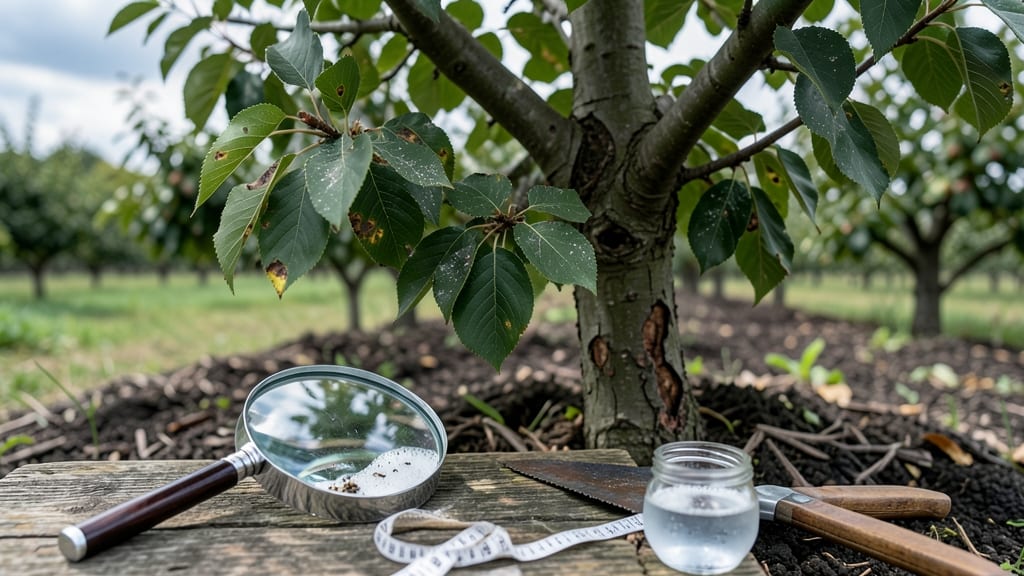
Your cherry tree’s leaves are showing problems—don’t ignore them. 🌿 Yellowing, spots, or curling aren’t just cosmetic; they’re early warnings of stress, pests, or disease. The good news? Most issues can be fixed fast with the right diagnosis and action.
Start by checking the undersides of leaves for pests like aphids or mites, then look for fungal signs—powdery white coatings or dark spots. Environmental clues matter too: nutrient deficiencies show as yellowing between veins, while weather damage often appears as ragged edges. Early intervention means healthier fruit next season.
Grab a magnifying glass, pruners, and a spray bottle of neem oil or horticultural oil—your first line of defense. For fungal issues, clean up fallen leaves and prune affected branches immediately.
Pests? A strong water spray or insecticidal soap can work wonders. The key is acting within 2 weeks of noticing symptoms to stop the problem before it spreads.
📚 In This Guide
- What you need
- Instructions
- Tips and common mistakes
- Wrapping up and next steps
What you need
- ● Gloves (nitrile or leather) – 1 pair (to protect your hands from sap, pests, or sharp tools).
- ● Pruning shears or bypass pruners – 1 pair (sharp, clean, and sterilized with 70% isopropyl alcohol).
- ● Handheld magnifying glass – 1 (for inspecting leaves, buds, and tiny pests up close).
- ● Garden trowel or small shovel – 1 (for digging or adjusting soil if needed).
- ● Spray bottle (16 oz or larger) – 1 (for applying homemade remedies or diluted treatments).
- ● Bucket (5-gallon) – 1 (for mixing solutions or collecting debris).
- ● Plastic bags or paper sacks – 2-3 (for collecting fallen leaves or infected branches).
- ● Ruler or measuring tape – 1 (to track leaf spots, canker size, or growth changes).
- ● pH test kit (soil or leaf) – 1 (to check for alkalinity/acidity issues).
- ○ Fungal/bacterial spore test kit (optional) – 1 (for lab confirmation if needed).
- ● Neem oil (100% cold-pressed) – 16 oz (for fungal/pest control; mix 1 tbsp per 1 quart water).
- ● Baking soda (food-grade) – 1 box (for homemade fungal spray: 1 tbsp baking soda + 1 tsp dish soap + 1 gallon water).
- ● Hydrogen peroxide (3%) – 1 bottle (for sterilizing tools or treating minor infections).
- ○ Copper fungicide (optional) – 16 oz (for severe fungal diseases like powdery mildew).
- ● Insecticidal soap – 16 oz (for soft-bodied pests like aphids or mites).
- ● Slow-release fertilizer (balanced NPK 10-10-10 or cherry-tree specific) – 5-10 lbs (if nutrient deficiency is suspected).
- ● ☑️ Best time to treat: Early morning or late evening (avoid peak sun to prevent leaf burn).
- ● ☑️ Dry conditions: Wait 24 hours after rain to apply sprays (water washes them off).
- ● ☑️ Temperature: Avoid treating if temps are below 50°F (10°C) or above 90°F (32°C).
How to diagnose and fix cherry tree leaf problems quickly
Here's my streamlined approach to identifying and treating common cherry tree leaf issues—no guesswork, just actionable fixes.
🌿 Step 1: Identify the Problem by Leaf Pattern and Timing
Start by examining the leaf edges, undersides, and overall color shifts. Yellowing between veins often signals nutrient deficiencies like iron chlorosis, while brown spots with yellow halos point to fungal infections like leaf spot. Check new growth first—if only older leaves show symptoms, it's likely a systemic issue like boron deficiency or bacterial canker.
Timing matters too. Problems appearing in early spring usually stem from winter damage or frost injury, while issues in late summer often relate to water stress or pest infestations. I always inspect the tree from top to bottom, since upper leaves often show symptoms first when problems originate from the roots or trunk.
💧 Step 2: Check Moisture Levels and Adjust Watering
Most leaf problems stem from improper watering. Stick your finger 2 inches deep into the soil—if it feels dry, water deeply until moisture reaches 12 inches down. Cherry trees need 1-2 inches of water weekly, but they hate soggy roots. Yellowing leaves with crisp edges mean underwatering, while brown, wilted leaves suggest overwatering or poor drainage.
I test drainage by pouring 5 gallons of water around the tree's drip line. If water pools after 30 minutes, amend the soil with 3 inches of compost or install a French drain. Mulch with 2-3 inches of wood chips to retain moisture while preventing soil compaction.
☀️ Step 3: Assess Light Exposure and Prune for Airflow
Cherry trees need 6-8 hours of direct sun, but too much afternoon sun can scorch leaves, causing brown patches. If your tree's leaves show sunburn (crispy edges with green veins), move it to a spot with morning sun and afternoon shade, or install a 30% shade cloth during peak heat.
Prune out crossing branches and suckers immediately—they create dense foliage that traps moisture and invites fungal diseases. Use sterilized pruners to make clean cuts at a 45-degree angle, just outside the branch collar. Thin the canopy by 20-30% to improve airflow, which cuts down on powdery mildew and leaf spot.
✂️ Step 4: Treat Fungal Issues with Targeted Solutions
For fungal infections like leaf spot or powdery mildew, apply a copper fungicide or baking soda spray (1 tablespoon baking soda + 1 quart water + a drop of dish soap) every 7-10 days until new leaves emerge. Remove and destroy all infected leaves—don't compost them, as spores will reinfect your tree.
If you spot black, oozing cankers on branches, prune them out 6 inches below the affected area and sterilize your tools with 70% isopropyl alcohol. Seal the cuts with pruning sealant to prevent bacterial entry. I've found that neem oil spray (1 tablespoon per gallon of water) applied in early spring and late summer prevents 90% of fungal issues.
🌱 Step 5: Fertilize Based on Soil Test Results
Cherry trees often suffer from micronutrient deficiencies. Take a soil sample from 6 inches deep and send it to your local extension office for testing. If results show low boron or zinc, apply a chelated micronutrient fertilizer in early spring. For general health, use a balanced 10-10-10 fertilizer in early spring and mid-summer, spreading it 6 inches from the trunk and watering it in immediately.
Over-fertilizing causes leaf burn—look for brown edges with green centers. If this happens, flush the soil with 5 gallons of water and reduce fertilizer by half next time. I always side-dress with composted manure in fall to build organic matter naturally.
Tips & tricks for quick cherry tree leaf problem diagnosis
When your cherry tree's leaves start showing distress, these targeted insights will help you pinpoint the issue faster and save your harvest.
Leaf Pattern Analysis: In Step 1, when you notice yellowing between veins, grab a magnifying glass to check for tiny orange rust spores—this confirms cedar-quince rust. For brown spots with yellow halos, collect a few affected leaves and place them in a plastic bag with a damp paper towel overnight. If fuzzy white growth appears, you're dealing with powdery mildew. This simple test saves time over lab analysis.
Watering Precision: The 2-inch soil check in Step 2 is critical, but don't rely solely on your finger—use a soil moisture meter for accuracy, especially during droughts. I've seen cherry trees with "dry" soil at 2 inches that were actually bone-dry at 12 inches. Water until the soil 12 inches down feels like a wrung-out sponge, not just damp at the surface. For established trees, this typically requires 10-15 gallons per watering session.
Pruning Strategy: When thinning the canopy in Step 3, focus on removing branches that cross or rub against each other—these create entry points for bacterial canker. Make your 45-degree cuts just outside the branch collar, but don't remove more than 25% of the canopy in one season. I've found that cherry trees recover better when pruning is spread over two years, especially for trees under stress from leaf problems.
Fungal Prevention: The neem oil spray in Step 4 is your best defense against fungal issues, but timing matters. Apply it in the early morning when humidity is high but before direct sunlight hits the leaves. I've had the most success with a 1% neem oil solution (1 tablespoon per gallon) applied every 14 days during the growing season. Always shake the bottle well before spraying—neem oil separates and loses potency when it sits.
Pro Tips for Cherry Tree Problems Leaves
- When your cherry tree's leaves start showing distress, these targeted insights will help you pinpoint the issue faste...
- Leaf Pattern Analysis: In Step 1, when you notice yellowing between veins, grab a magnifying glass to check for tiny ...
- Watering Precision: The 2-inch soil check in Step 2 is critical, but don't rely solely on your finger—use a soil mois...
Frequently asked questions
Got questions about your cherry tree’s leaves? You’re not alone—here are the most common concerns and quick fixes to keep your tree thriving.
Why are my cherry tree leaves curling or twisting?
Curling leaves are often a sign of environmental stress (like drought or heat) or pests (such as spider mites or aphids). Check the undersides of leaves for tiny webs or insects. Water deeply 1–2 times a week and spray leaves with neem oil if pests are present.
What do brown spots on cherry tree leaves mean?
Brown spots usually indicate fungal diseases (e.g., leaf spot or powdery mildew) or bacterial infections. Prune affected branches, remove fallen leaves, and apply a copper fungicide every 2–3 weeks. Ensure good airflow by thinning dense foliage.
When should I act if my cherry tree leaves are yellowing?
Act immediately if yellowing spreads quickly—this could signal nutrient deficiency (like iron chlorosis) or root rot. Test soil pH (ideal: 6.0–6.5) and amend with compost or iron chelate. For root rot, improve drainage by planting on a slope or adding gravel.
Can extreme temperatures damage cherry tree leaves?
Yes! Cherry trees are sensitive to late frosts (damaging blossoms) and heatwaves (causing leaf scorch). Protect young trees with frost cloth in spring and mulch heavily in summer. Water at the base (not leaves) during heat to prevent stress.
What’s the best way to revive a cherry tree with sparse or weak leaves?
Weak growth often stems from over-pruning or poor soil. Feed with a balanced fertilizer (10-10-10) in early spring, and mulch with 2–3 inches of organic matter. Avoid heavy pruning—focus on shaping in late winter when the tree is dormant.
Still stumped? Snap a photo of the leaves and compare them to our diagnostic guide for faster solutions!
Wrapping up and next steps
Diagnosing and treating cherry tree leaf problems doesn’t have to feel overwhelming—with the right knowledge, you can help your tree thrive! 🌿 From fungal infections to nutrient deficiencies, early action is key to saving those lush leaves.
Start by identifying the issue, gathering the right tools, and applying targeted solutions with confidence.
Ready to take the next step? Pick one problem to tackle first, follow the steps in this guide, and watch your cherry tree bounce back. Need extra help? Consult a local arborist or gardening community—they’re just a message away! 🌱