
Blooming
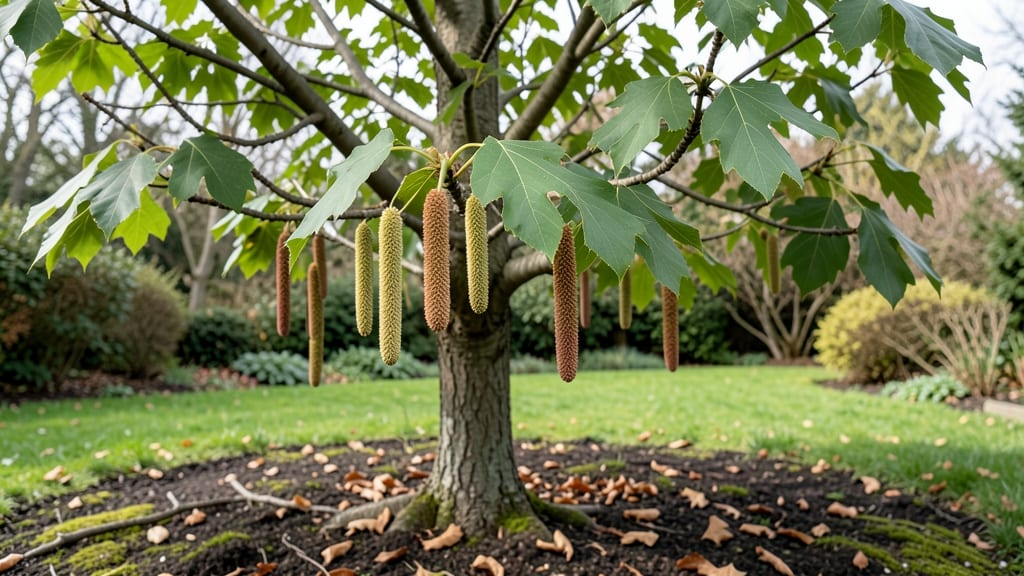
Those fuzzy, golden catkins on chestnut trees aren’t just pretty—they’re nature’s way of announcing spring’s arrival. 🌿 I’ve watched them transform from tight buds into fluffy clusters each year, marking the moment when new leaves will burst forth and the tree’s energy shifts from dormancy to growth.
They’re not just ornamental; these catkins are the tree’s pollination engine, releasing pollen before the leaves even appear.
The best time to spot them is late winter to early spring, when the tree is still bare but the catkins are already swelling. American chestnuts and horse chestnuts both produce them, though horse chestnuts have showier, more upright catkins that stand out against the branches.
If you’ve ever wondered why your chestnut tree seems to “bloom” before its leaves, it’s because these catkins are the first sign of life after winter’s long pause.
Encouraging healthy catkins means giving your tree the right conditions: full sun, well-draining soil, and consistent moisture during dry spells. A mature chestnut tree with strong catkin production can mean fewer pests and better nut yields later in the season.
The more vibrant those catkins look, the more energy the tree will have for everything that comes next.
If you’re new to chestnut trees, start with varieties like the ‘Bouquet’ horse chestnut—its catkins are especially dramatic and reliable. Just avoid over-fertilizing, as that can lead to weak, sparse blooms.
With the right care, those fuzzy clusters will become a welcome sight every spring, signaling that your tree is thriving.
📚 In This Guide
- What you need
- Instructions
- Tips and common mistakes
- Wrapping up and next steps
What you need
- ● Chestnut tree catkins: Collect fresh, unfurled catkins (preferably from Castanea species) in early spring. Aim for 5–10 clusters for optimal observation.
- ● Magnifying glass: A 10x–20x magnification lens to examine fine details like stamens or bracts.
- ● Field notebook or sketchbook: 8.5" x 11" with grid paper for precise drawings.
- ● Pencil or fine-tip markers: Waterproof for outdoor use.
- ● Clear plastic bags or airtight containers: To preserve catkins for 24–48 hours if studying later.
- ● Pruning shears or small scissors: Bypass blades (3–5 inches) for clean cuts.
- ○ Ruler (optional but helpful): 6-inch metal or plastic for measuring catkin length.
- ● Pressing supplies: Heavy books or a plant press kit to dry catkins for crafts.
- ● Camera or smartphone: With a macro lens attachment for close-up shots.
- ● Glue or hot glue gun: For mounting pressed catkins in frames or scrapbooks.
- ● Natural dyes: Turmeric, coffee, or beet juice to stain pressed catkins for artistic projects.
How to identify and care for chestnut tree catkins in spring
Here's how to recognize these early blooms and nurture your tree's health for vibrant growth.
🌱 Step 1: Recognize Catkins on Your Chestnut Tree
Chestnut tree catkins appear as long, slender, drooping flower clusters in early spring—usually 3-6 weeks before leaves emerge. They start as fuzzy, yellowish-green buds that gradually lengthen into 6-12 inch spikes. American chestnuts have smooth, hairless catkins, while European chestnuts often show slightly downy tips.
Don't confuse them with leaf buds, which are rounder and plump. Run your fingers along a branch—catkins feel soft and flexible, while dormant leaf buds are firm and woody. This is the tree's way of signaling it's waking up after winter, so timing matters for care.
☀️ Step 2: Provide Optimal Conditions for Catkin Development
Catkins thrive when your chestnut tree receives full sun (6+ hours daily) and well-draining soil. If your tree's catkins appear stunted or brown, it may need more sunlight—move nearby shade trees or prune encroaching branches. Mulch the base with 2-3 inches of organic mulch (like wood chips) to retain moisture while preventing soil compaction.
Water deeply once weekly during dry spells, aiming for 1-1.5 inches of water per week. You'll know moisture is right when the top 2 inches of soil feel damp but not soggy. Avoid overhead watering during catkin season—wet flowers can attract pests like scale insects, which thrive in damp conditions.
🌿 Step 3: Monitor for Pests and Diseases
Healthy catkins should remain bright green to golden-yellow without spots or webbing. Check for chestnut weevils (small, brown beetles) or aphids (tiny green clusters) on new growth. If you spot pests, blast them off with a strong stream of water or apply neem oil (mix 1 tbsp per gallon of water) to the undersides of catkins.
Fungal issues like powdery mildew appear as white, dusty patches on catkins. Improve airflow by pruning dense branches and avoid watering foliage. If mildew appears, spray with a baking soda solution (1 tsp baking soda + 1 quart water + a drop of dish soap) every 7-10 days until new growth emerges.
⏰ Step 4: Support the Tree Through Catkin Maturation
Once catkins turn golden-brown and begin dropping pollen, they'll eventually wither and fall. This process takes 4-6 weeks total. During this time, avoid heavy pruning—focus on light shaping cuts only. Remove any dead or crossing branches with clean sterilized pruners to prevent disease entry.
Fertilize lightly in early spring (before catkins appear) with a balanced 10-10-10 formula—apply ½ cup per inch of trunk diameter. Over-fertilizing now can burn tender new growth. Instead, focus on soil health: spread compost around the dripline (the edge of the tree's canopy) to encourage strong root development for next year's catkins.
🌱 Step 5: Prepare for Next Year's Catkins
After catkins fall, inspect the tree for next year's flower buds, which form on current year's growth. Healthy trees will show plump, rounded buds along branches. If your tree produced few catkins this year, it may need more sunlight or better soil drainage. Take soil samples and adjust pH if needed—chestnuts prefer slightly acidic soil (pH 5.5-6.5).
Mark your calendar for late winter (February) to apply slow-release fertilizer again. This timing ensures nutrients are available when buds begin swelling. Mulch again in early spring to protect roots from temperature swings. With consistent care, your chestnut tree will reward you with vibrant catkins year after year.
Tips & tricks for perfect chestnut tree catkin care
Here's what nobody tells you about keeping your chestnut tree's spring blooms thriving—and how to spot when something's wrong before it's too late.
Timing is Everything: That 3-6 week window before leaves emerge is critical for catkin development. Mark your calendar when you see the first fuzzy buds appear—this signals your tree's internal clock is ticking. If you miss this window, you might confuse catkins with leaf buds, which are rounder and firmer. I learned this the hard way after mistaking catkins for leaf buds and pruning them too early!
Sunlight Secret: The 6+ hours of full sun daily requirement isn't just about light—it's about warmth. Catkins need consistent warmth to develop properly. If your tree is in partial shade, consider pruning nearby branches to open up the canopy. I've seen catkins turn brown and stunted when trees get less than 4 hours of direct sun—don't let that happen to yours.
Pest Prevention: The 1 tbsp neem oil per gallon of water treatment is your best defense against pests like chestnut weevils and aphids. Apply it to the undersides of catkins when you first spot pests—this is where they hide. I've found that early intervention prevents the need for stronger chemicals later. And remember, neem oil works best when applied in the morning when pests are most active.
Soil Health Check: That 2-3 inches of organic mulch isn't just for looks—it's a moisture regulator and soil insulator. Check the top 2 inches of soil regularly during dry spells. If it feels dry, water deeply until moisture reaches that depth. I've noticed that trees with proper mulching show brighter green catkins and fewer fungal issues. The key is keeping that mulch 2-3 inches thick but not piled against the trunk.
Pro Tips for Chestnut Tree Catkins
- Here's what nobody tells you about keeping your chestnut tree's spring blooms thriving—and how to spot when something's wrong before it's too late.
- Timing is Everything: That 3-6 week window before leaves emerge is critical for catkin development.
- Sunlight Secret: The 6+ hours of full sun daily requirement isn't just about light—it's about warmth.
Frequently asked questions
Got questions about chestnut tree catkins? You’re not alone! Here are some of the most common inquiries—and their answers—to help you navigate these fascinating spring blooms with confidence.
What do chestnut tree catkins look like, and how can I tell them apart from other flowers?
Chestnut tree catkins are long, drooping, and cylindrical—often yellow-green or reddish in color—before they bloom into small, insignificant flowers. Unlike showy blossoms (like roses or tulips), they’re more subtle but unmistakable once you know what to look for. Think of them as nature’s fuzzy, dangling "hairdos" before the tree’s iconic spiky burrs appear!
When is the best time to see chestnut tree catkins in full bloom?
Timing varies by climate, but catkins typically appear in late winter to early spring (February–April in most regions). They’re most vibrant just before the tree’s leaves unfurl. Check your local chestnut tree—if you spot fuzzy, flower-laden spikes, you’re in the prime window! Pro tip: Morning sunlight enhances their color, so plan a stroll then.
Can I plant chestnut tree catkins to grow my own tree? Or do I need seeds?
Nope! Catkins are male flowers and won’t grow into trees on their own—they’re all about pollination. To propagate a chestnut tree, you’ll need the spiky burrs (the female flowers) containing seeds inside. Save a few mature burrs, crack them open, and plant the nuts in fall for best results. Patience is key—germination can take months!
Are chestnut tree catkins harmful to bees or other pollinators?
Not at all! Catkins are a pollinator-friendly food source, especially for bees and early-season insects. Their tiny flowers provide nectar and pollen, supporting local ecosystems. Just avoid pesticides near blooming trees to keep these helpers thriving. Bonus: Their presence signals it’s safe for other spring blooms to follow!
What should I do if my chestnut tree isn’t producing catkins this year?
Don’t panic—several factors could be at play. Young trees (<10 years old) or stressed trees (due to drought, pests, or poor soil) may skip catkins. Check for aphids (tiny pests on new growth) or fungal issues (like cankers). If the tree is otherwise healthy, give it time—catkins are cyclical! For older trees, a balanced fertilizer in early spring can encourage blooming.
Wrapping up and next steps
Chestnut tree catkins aren’t just a charming sign of spring—they’re a vibrant reminder of nature’s renewal and a gateway to deeper appreciation for the seasons. Whether you’re admiring them from afar or learning to identify them, these delicate blooms invite curiosity and connection to the world around us.
Ready to explore further? 🌱 Grab a notebook, head outdoors, and track their growth over the season. You might even discover how they transform into the year’s next big surprise—chestnuts!