
Pruning
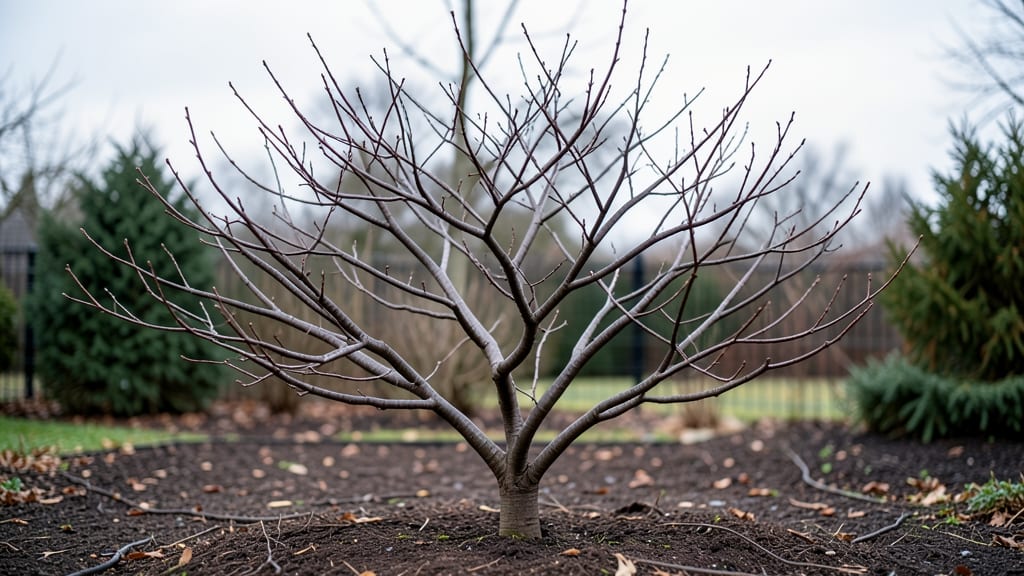
Your Chinese fringe tree turns winter into a showstopper with its delicate branches and papery seed pods. ✨ I’ve watched mine transform from bare stems to a frosty masterpiece, and the secret to keeping it stunning lies in smart winter pruning—something most gardeners overlook until it’s too late.
The best time to prune is late winter, right after the coldest snap but before buds swell. You’ll shape its natural, graceful form while removing dead or crossing branches—this keeps airflow flowing and prevents disease.
My tree now has cleaner lines and blooms heavier in spring because of this one seasonal adjustment.
What you’ll end up with is a tree that looks intentional year-round, not just in spring. The seed pods add texture, the bark develops character, and the structure stays strong through ice and wind. It’s the kind of winter beauty that makes neighbors ask, “What’s that tree called?”
Works for both container and in-ground plants, and the technique scales from small urban yards to large landscapes. Here’s how to do it without a single misstep—promise.
📚 In This Guide
- What you need
- Instructions
- Tips and common mistakes
- Wrapping up and next steps
What you need
- ● Pruning shears: Bypass pruners (sharp, clean, and sterilized with rubbing alcohol or bleach solution) for small branches (¼"–¾" thick).
- ● Loppers: 1 pair (for branches ¾"–2" thick). Look for bypass-style for clean cuts.
- ● Pruning saw: 1 handheld saw (for branches >2" thick). A bow saw or pruning saw with a fine-tooth blade works best.
- ● Gloves: Heavy-duty gardening gloves (cut-resistant, like mechanics’ gloves) to protect hands from thorns and rough bark.
- ● Disinfectant: 1 bottle (70% isopropyl alcohol or 10% bleach solution) to sterilize tools between cuts and prevent disease.
- ○ Pruning sealant: 1 small tube (optional but recommended for large cuts >1" thick to prevent sap loss and pests).
- ● Ladder or stool: Adjustable height (6–10 ft) if your tree exceeds your reach.
- ● Trash bag: 1 heavy-duty bag (for collecting debris—Chinese fringe trees shed a lot of leaves in winter!).
- ● Handheld leaf blower: For quick cleanup of fallen leaves/debris.
- ● Marking spray: (e.g., paint sticks) to tag branches for removal before cutting.
- ● Safety glasses: If pruning near your face or eyes.
- ● Notebook & pen: To jot down notes on branch structure or future pruning plans.
Step-by-step guide to pruning your Chinese fringe tree in winter
Winter’s the perfect time to shape your fringe tree’s future beauty—here’s how to do it right.
✂️ Step 1: Time Your Pruning for Best Results
Prune your Chinese fringe tree (Chionanthus retusus) late winter to early spring, just as new growth begins but before buds swell. This timing ensures you remove last year’s growth while stimulating fresh, vigorous shoots for the season. In most climates, aim for February to March when temperatures hover around 40-50°F.
If you’re in a warmer zone where buds break early, wait until after the last frost but before leaves appear. Pruning too early can leave branches vulnerable to cold damage, while waiting too long risks removing flower buds that form on last year’s wood. Watch for tiny green swellings at branch tips—that’s your cue to start.
🌿 Step 2: Assess the Tree’s Structure and Health
Begin by stepping back to evaluate the tree’s overall shape. Look for dead, crossing, or rubbing branches—these are your first targets. Dead branches snap easily when bent; crossing branches create wounds that invite disease. Use a sharp pair of pruning shears to make clean cuts just outside the branch collar (the swollen area where the branch meets the trunk).
Next, identify water sprouts—those fast-growing, vertical shoots that steal energy from the tree. Thin these out to one-third of the tree’s height to improve airflow and sunlight penetration. If a branch is thicker than your wrist, use a pruning saw instead of shears to avoid tearing the bark. Always cut at a 45-degree angle just above a outward-facing bud.
✂️ Step 3: Thin and Shape for an Open Canopy
Chinese fringe trees thrive with an open, airy canopy, so focus on selective thinning rather than heavy cutting. Remove up to 20% of the tree’s foliage by targeting branches that grow inward or downward. Start at the outer edges and work your way in, cutting back to a side branch or lateral bud to encourage outward growth.
For a more balanced shape, prune one-third of the branches on one side before moving to the opposite side. Avoid topping (cutting the main stem flat)—this leads to weak, leggy growth. Instead, shorten only the longest branches by one-third of their length, cutting just above a bud that faces outward. Step back frequently to check your progress; the goal is a natural, vase-like silhouette that lets light filter through.
🪴 Step 4: Clean Up and Protect the Tree
After pruning, sterilize your tools with rubbing alcohol to prevent spreading disease. Remove all clippings and debris from the base of the tree—leaving them invites pests and fungal growth. For large branches, shred the wood and dispose of it in yard waste (never compost diseased material).
Apply a layer of 2-3 inches of mulch (like shredded bark) around the tree’s base, keeping it 6 inches away from the trunk. This protects roots from freezing temperatures and retains moisture. If your tree is young or in a windy or exposed location, consider wrapping the trunk with burlap or tree guard to shield it from winter damage. Water deeply before the first hard freeze to help roots establish.
⏰ Step 5: Monitor and Adjust Through Early Spring
Check your tree every 2-3 weeks in early spring for new growth or signs of stress. If you notice yellowing leaves, wilting, or oozing sap at pruning cuts, you may have cut too aggressively. In this case, prune back slightly more to a healthier bud or branch. Healthy new growth should appear within 4-6 weeks—look for bright green leaves and firm, flexible stems.
If your tree fails to leaf out by late spring, it may have been pruned too late or suffered cold damage. In this case, avoid pruning again until next winter and focus on watering deeply and fertilizing lightly with a balanced 10-10-10 formula in early spring. Patience is key—Chinese fringe trees are resilient and will recover with proper care.
Tips & tricks for pruning your Chinese fringe tree in winter
Here's what nobody tells you about getting the most out of your winter pruning session.
Timing is Everything: The February to March window isn't just arbitrary—it's when your tree's natural dormancy period ends and new growth begins. Watch for those tiny green swellings at branch tips, which signal the tree is ready. If you're in a warmer climate, wait until after your last frost date to avoid damaging tender new buds. I've seen trees stressed from early pruning, so don't rush this step.
Tool Selection Matters: Using the right tool for each branch size makes all the difference. For branches thicker than your wrist, a pruning saw is essential—shears will tear the bark and create wounds that invite disease. I keep a pair of bypass pruners for smaller branches and always sterilize them between cuts with rubbing alcohol. This simple step prevents spreading fungal spores between branches.
Shape with Purpose: When thinning to create that open canopy, focus on removing branches that grow inward or downward. These are the ones that block sunlight and air circulation. I use the "thirds rule" for balance: prune one-third of branches on one side before moving to the opposite side. This creates a natural progression that's both aesthetically pleasing and functionally beneficial for the tree's health.
Post-Pruning Care: The work doesn't end when you put down your shears. That 2-3 inch layer of mulch around the base (kept 6 inches away from the trunk) is crucial for protecting roots from winter's chill. I've found that wrapping young trees in burlap during particularly windy winters prevents cold damage to the bark. And remember—water deeply before the first hard freeze to give roots a moisture reserve for spring.
Pro Tips for Chinese Fringe Tree In Winter
- Here's what nobody tells you about getting the most out of your winter pruning session.
- Timing is Everything: The February to March window isn't just arbitrary—it's when your tree's natural dormancy period...
- Tool Selection Matters: Using the right tool for each branch size makes all the difference. For branches thicker than...
Frequently asked questions
When is the best time to prune a Chinese fringe tree in winter?
The ideal time to prune your Chionanthus retusus is late winter—just before new growth begins, typically between February and early March. This timing ensures you remove dead or weak branches while avoiding the risk of late-season frost damage to fresh cuts. Pruning too early can expose tender wood to harsh winter conditions.
Can I prune a Chinese fringe tree in freezing temperatures?
While you can prune in cold weather, it’s best to avoid extreme freezing (below 20°F/-7°C). Wood becomes brittle in deep frost, making it harder to cut cleanly and increasing the risk of tearing. If you must prune in winter, choose a mild but dry day (above 30°F/-1°C) to minimize stress on the tree.
How do I know if I’m pruning too much?
Over-pruning can stress your Chinese fringe tree, especially in winter. As a general rule, never remove more than 25% of the tree’s foliage in one season. Look for signs like yellowing leaves, stunted growth, or excessive sap bleeding—these may indicate you’ve pruned too aggressively. Focus on shaping rather than heavy cuts.
What if my Chinese fringe tree isn’t flowering in winter?
Winter is not the blooming season for Chinese fringe trees—they typically flower in late spring (May-June). If you’re seeing no flowers at all, check for sunlight exposure (6+ hours/day), proper soil drainage, and balanced fertilization. Over-pruning or poor winter care (like frost damage) can also delay flowering.
Are there winter-hardy alternatives to Chinese fringe tree?
If you’re looking for winter-interest plants with similar structure, consider:
All thrive in USDA Zones 5-8 like the Chinese fringe tree.
Wrapping up and next steps
Embrace the quiet beauty of your Chinese fringe tree even in winter—pruning isn’t just about shaping, it’s about inviting new life into your garden. With the right tools, timing, and techniques, you’ll cultivate a tree that’s resilient, graceful, and full of potential for spring blooms. 🌿✨
Ready to transform your space? Grab those pruners, review your notes, and start with a single branch—confidence grows one cut at a time! For extra inspiration, join a local gardening group or explore seasonal care tips tailored to your climate.