
Pruning
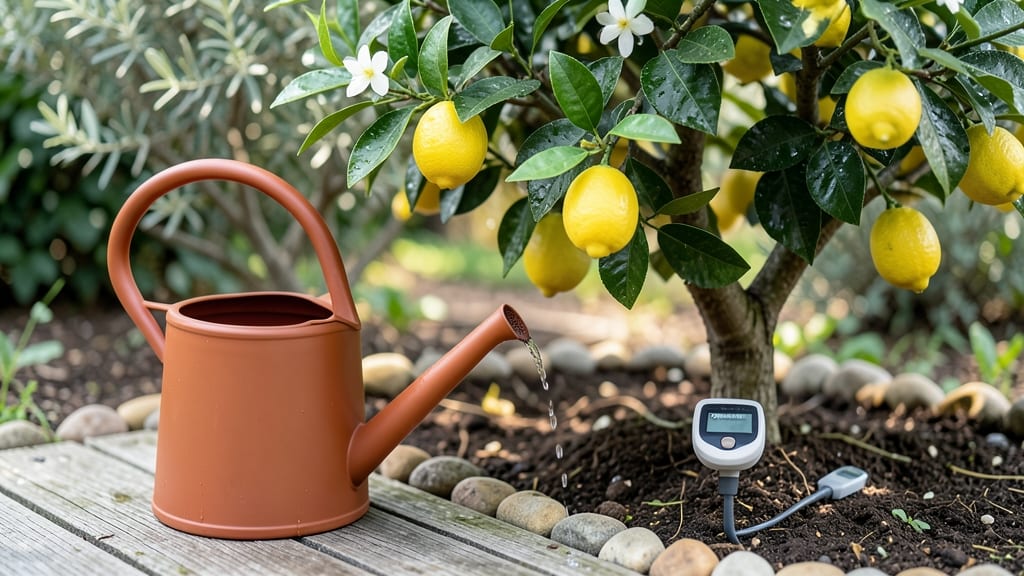
Mastering citrus tree irrigation is the difference between a bursting harvest of sweet fruit and a struggling plant that barely survives.
Picture this: your 🌱 citrus tree stands tall in your yard, but instead of juicy oranges and zesty lemons, you’re left with sparse branches and bitter-tasting fruit. The culprit? Either too much water drowning the roots or not enough, leaving the tree thirsty and stressed.
Mastering the right watering schedule isn’t just about keeping your tree alive—it’s about unlocking its full potential.
Citrus trees thrive on consistency, but their needs shift with the seasons. In the scorching heat of summer, they demand deep, frequent watering, while winter calls for a more cautious approach.
Whether you’re growing your tree in a pot or planted in the ground, understanding soil moisture, signs of over- or under-watering, and the best irrigation methods can make all the difference.
In this guide, I’ll walk you through a seasonal watering schedule, the best irrigation techniques, and how to spot trouble before it’s too late.
By the end, you’ll know exactly how to keep your citrus tree healthy, productive, and ready to reward you with the best fruit of the season.
Seasonal citrus tree watering schedule: how often to water by climate zone
Citrus trees thrive in warm climates (USDA zones 8-11), but their watering needs shift dramatically with the seasons. In my Mediterranean climate garden, I’ve learned that overwatering in winter can drown roots while underwatering in summer causes fruit drop.
The key is adapting your schedule to temperature, humidity, and rainfall patterns—not just following a rigid calendar.
Young citrus trees need more frequent watering than mature ones because their root systems are shallow. For example, a 1-year-old lemon tree might need watering every 2-3 days in summer, while a 10-year-old orange tree can go 7-10 days between deep waterings.
Container-grown citrus has even stricter needs—daily watering in summer is often necessary.
Here’s how I adjust my watering schedule by month and climate zone, plus the best techniques to avoid common pitfalls like root rot or fruit splitting.
In Zone 8, where I garden, summer afternoons can reach 90°F+, so I water before 8 AM to prevent evaporation losses. I use a moisture meter to check soil depth—citrus roots love 60-70% soil moisture but hate soggy conditions.
For container citrus, I weigh the pot: if it feels lighter than 20% of its wet weight, it’s time to water.
One critical mistake I see is frequent shallow watering, which encourages surface roots and weakens the tree. Instead, I water deeply—about 1-2 inches per week in summer—to encourage roots to grow 12-18 inches deep.
For in-ground trees, I dig a 6-inch hole near the trunk after watering; if it’s dry at 4 inches down, I water again.
Drought-resistant strategies like mulching with wood chips (3-4 inches thick) can cut water needs by 30%. I also group citrus trees together to create a microclimate with higher humidity.
In Zone 10’s tropical heat, I’ve seen citrus trees thrive with drip irrigation on timers, delivering 1-2 gallons per tree per day during peak summer.
Watch for yellowing leaves or dropping fruit—these are red flags. Yellowing between veins often means overwatering, while crispy edges signal underwatering. I’ve saved many trees by adjusting my schedule based on these visual cues rather than sticking to a rigid plan.
The goal is consistent moisture without waterlogging.
For newly planted citrus, I water every other day for the first month, then gradually reduce frequency. Established trees
5 Critical signs your citrus tree needs immediate irrigation adjustments
Your citrus tree silently signals water stress through leaf discoloration, fruit drop, and root health changes. Ignoring these signs can lead to permanent damage or even tree death.
The key is catching these early warning signs before they escalate into irreversible problems. Let's decode what your tree is really saying about its hydration needs.
Start by examining your tree's leaves—they're the first to show distress. Yellowing leaves often indicate overwatering, while brown leaf edges or drooping foliage scream dehydration.
These visual cues help you adjust your watering schedule before the roots suffer. Pay special attention to new growth, as it's most sensitive to moisture fluctuations.
Overwatering or poor drainage. Check soil moisture 2-3 inches deep—if soggy, reduce watering immediately.
Inconsistent watering causes stress. Water deeply 1-2 times per week (morning only) to stabilize fruit retention.
Root rot or fungal issues. Prune affected branches and improve drainage by adding compost to soil.
Severe drought. Soak container for 30+ minutes until water drains freely from bottom.
Root rot or pests. Remove infected roots, repot with fresh well-draining soil, and reduce watering frequency.
For yellowing leaves, dig a small hole near the trunk to check soil moisture. If the soil feels damp or wet, your tree is getting too much water. The solution?
Let the top 2-3 inches of soil dry out between waterings. For container-grown citrus, this might mean watering only when the soil feels completely dry to the touch.
When you notice fruit drop, it's often a sign of inconsistent moisture levels. Citrus trees thrive on deep, infrequent watering rather than light, frequent sprinkles. Aim to water your tree at the base for 10-15 minutes, ensuring water penetrates at least 12 inches deep.
This mimics natural rainfall patterns and encourages strong root development.
If your tree's branches are wilting despite moist soil, it could indicate root rot or fungal infections. These issues thrive in overly wet conditions. Prune any affected branches with sterilized shears and improve soil drainage by mixing in perlite or sand.
For severe cases, consider repotting with fresh, well-draining soil to give your tree a healthy start.
Remember, citrus trees are drought-tolerant once established, but they still need consistent moisture during their active growing season (spring through fall). The key is finding that balance—enough water to keep roots happy without drowning them. Start with a soil moisture test every few weeks to fine-tune your watering routine.
When in doubt, observe your tree's natural recovery patterns. A healthy citrus tree should bounce back within a week of proper irrigation adjustments. If symptoms persist for more than 10 days, it's time to consult a local arborist or extension service for personalized advice tailored to your climate zone.