
Pruning
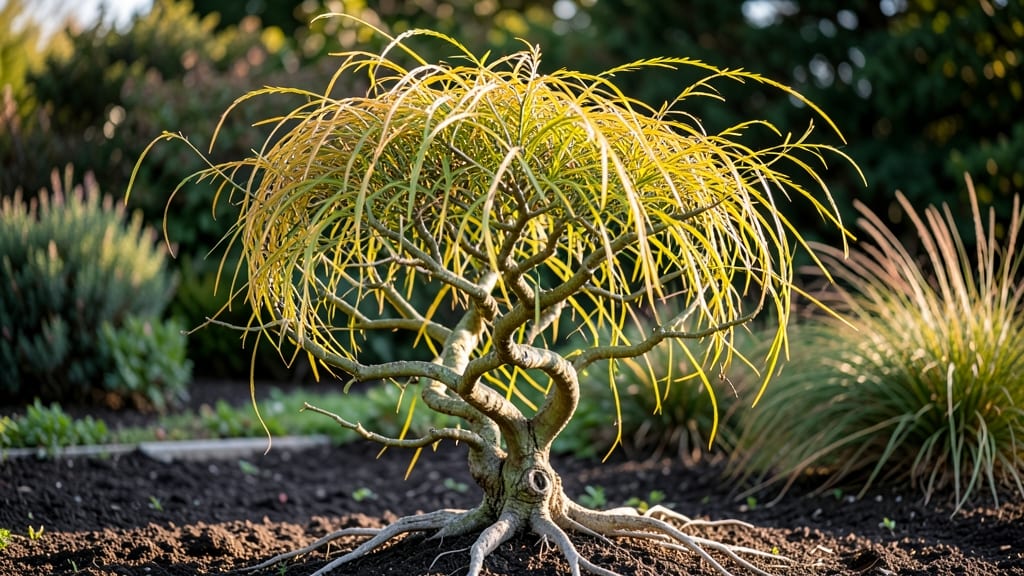
Those whimsical, twisting branches make the corkscrew willow tree one of the most striking subjects in pictures—and the star of any garden. 🌿 I planted mine near a small pond last spring, and now it's impossible to walk past without stopping to admire how its spiraled limbs dance in the breeze—even when the leaves are gone.
The tree thrives with minimal fuss: just full sun and well-drained soil. Its unique shape works as a focal point, alongside water features, or tucked into small gardens where it adds drama without overwhelming. The bark's cinnamon tones in winter only make it more striking.
Pair it with low-growing perennials like hostas or ornamental grasses to highlight its sculptural form. In spring, the bright yellow catkins add a pop of color that keeps it eye-catching year-round.
For best results, plant it where its branches can spread naturally—no pruning needed. The only "mistake" is not having one in your yard!
📚 In This Guide
- What you need
- Instructions
- Tips and common mistakes
- Wrapping up and next steps
What you need
- ● Pruning shears or bypass pruners – Sharp, clean, and disinfected (alcohol or bleach solution). Choose bypass-style for precision cuts.
- ● Loppers – For thicker branches (up to 2 inches in diameter). Opt for bypass loppers with long handles for leverage.
- ● Pruning saw – A bow saw or pruning saw for branches larger than 2 inches. Look for a fine-toothed blade to avoid tearing.
- ● Gloves – Heavy-duty gardening gloves to protect against thorns and rough bark.
- ● Disinfectant solution – A mix of 1 part bleach to 9 parts water or rubbing alcohol (70%+) to sterilize tools between cuts.
- ● Rubbing alcohol or hand sanitizer – For cleaning hands and tools mid-pruning.
- ○ Pruning sealant (optional but recommended) – Tree wound paint or pruning sealant to coat larger cuts and prevent disease.
- ● Ladder or sturdy step stool – If your willow is taller than 6 feet, a stable ladder (with non-slip feet) is a must.
- ● Trash bags or bucket – For collecting pruned branches and debris.
- ● Pole pruner – For high branches without a ladder (extends reach up to 10+ feet).
- ● Work gloves with reinforced palms – Extra cushioning for heavy-duty pruning.
- ● Safety glasses – Protects eyes from debris, especially when using a pruning saw.
- ● Knee pads – If you’ll be working on the ground for extended periods.
- ● Camera or smartphone – Capture before-and-after pictures of your corkscrew willow’s transformation!
- ● Notebook & pen – To jot down pruning notes or track growth patterns.
How to plant and care for a striking corkscrew willow tree
This elegant tree thrives with the right placement and care—here's how to make its dramatic branches the star of your landscape.
🪴 Step 1: Choose the Perfect Planting Location
Corkscrew willows need full sun for at least 6 hours daily to develop their signature twisted branches. I always look for a spot with 6-8 feet of clearance around the tree—those branches grow wide over time. Avoid low-lying areas where cold air pools, as they're sensitive to frost damage.
Test your spot by observing how sunlight moves across it throughout the day. The ideal location gets morning sun and afternoon shade in hotter climates. You'll see the branches' natural spiral pattern emerge more dramatically with proper light exposure.
🌱 Step 2: Prepare the Soil and Plant Correctly
These trees tolerate moist, well-draining soil but won't thrive in soggy conditions. Amend heavy clay with 2-3 inches of compost mixed into the top 12 inches of soil. I dig a hole twice as wide as the root ball but only as deep—planting too deep suffocates the roots.
Place the tree so the top of the root ball sits 1-2 inches above ground level. Backfill with native soil, tamping gently to remove air pockets. Water deeply to settle everything, then add a 2-inch layer of mulch (keeping it away from the trunk). This prevents soil compaction while encouraging strong root growth.
☀️ Step 3: Water and Fertilize for Healthy Growth
Keep the soil consistently moist for the first 2 years—you'll know it's right when the top 2 inches feel damp but not soggy. Water deeply 2-3 times weekly during dry spells, aiming for 1-1.5 gallons per watering for mature trees. Over time, they develop drought tolerance but look best with regular moisture.
Apply a balanced 10-10-10 fertilizer in early spring when new growth appears. I use about ½ cup per tree worked into the soil around the drip line. Avoid heavy feeding—they prefer lean soil and too much nitrogen leads to weak, leggy growth that loses the signature corkscrew shape.
✂️ Step 4: Prune Strategically to Maintain Shape
Prune in late winter or early spring before new growth begins. Remove any dead, diseased, or crossing branches first—these trees handle pruning well but respond best to minimal shaping. I never cut more than 25% of the canopy in one season to avoid stressing the tree.
Watch for branches growing inward or rubbing against others. These should be pruned back to the nearest outward-facing bud. You'll see the tree's natural spiral pattern become more pronounced with proper pruning—never trim the twisted branches themselves, as they're what make this tree special.
⏰ Step 5: Protect Through Seasonal Changes
Young trees need winter protection in colder climates. Wrap the trunk with tree guard in late fall to prevent rodent damage, then add a layer of mulch 4-6 inches deep around the base (but not touching the trunk). This insulates roots while allowing air circulation.
In hot summers, provide afternoon shade for newly planted trees. You'll know they're thriving when they produce catkin flowers in early spring—these yellow blooms are a sign of good health. Mature trees handle heat and cold well but always look best with consistent care and proper spacing.
Tips & tricks for planting and caring for a striking corkscrew willow tree
These simple strategies will help you create the perfect conditions for your corkscrew willow's signature beauty to truly shine.
Location is Everything: That 6 hours of daily sun in Step 1 is non-negotiable—these trees simply won't develop their signature twisted branches without it. I've seen them planted in partial shade, and while they survive, the branches grow straighter and less dramatic. For maximum impact, choose a spot that gets morning sun and afternoon shade in hotter climates, as this helps maintain the vibrant green color of the foliage year-round.
Soil Prep Secret: When amending heavy clay with 2-3 inches of compost in Step 2, don't just mix it in—create a "compost pocket" by placing a thick layer at the bottom of the planting hole. This ensures the roots have immediate access to nutrients while preventing soil compaction. The 12-inch depth recommendation is perfect because it matches the tree's natural root zone development pattern.
Watering Wisdom: The first 2 years are critical for establishing strong roots, so that consistent moisture check (top 2 inches damp but not soggy) is your best guide. I've found that watering deeply 2-3 times weekly with 1-1.5 gallons per watering actually encourages deeper root growth. For a visual cue, think of a wrung-out sponge—your soil should hold moisture like that when you squeeze it gently.
Pruning Pro Tip: When you're pruning in Step 4, use a clean, sharp pair of pruners and make cuts just above an outward-facing bud. The 25% canopy rule is a great guideline, but I always err on the side of less pruning—these trees handle minimal shaping beautifully. The twisted branches are their signature feature, so never cut into them unless absolutely necessary for safety reasons.
Pro Tips for Corkscrew Willow Tree Pictures
- These simple strategies will help you create the perfect conditions for your corkscrew willow's signature beauty to truly shine.
- Location is Everything: That 6 hours of daily sun in Step 1 is non-negotiable—these trees simply won't develop their signature twisted branches without it.
- Soil Prep Secret: When amending heavy clay with 2-3 inches of compost in Step 2, don't just mix it in—create a "compost pocket" by placing a thick layer at the bottom of the planting hole.
Frequently asked questions
Got questions about the stunning corkscrew willow tree? You’re not alone! Here are some of the most common inquiries—plus quick, practical answers to help you care for (or simply admire) this eye-catching tree.
How fast does a corkscrew willow grow?
The corkscrew willow (Salix matsudana ‘Tortuosa’) is a fast grower, especially in its youth. Expect 3–5 feet per year under ideal conditions (full sun, moist soil, and regular watering). Growth slows as the tree matures, but its twisted branches remain dramatic year-round!
Is a corkscrew willow cold-hardy?
Yes! This tree thrives in USDA Zones 4–8, making it perfect for most U.S. climates. It tolerates light frost and even heavy snow, though young trees may need winter protection in colder zones. Just avoid planting in low-lying areas where cold air pools—they hate soggy roots!
Do corkscrew willows need pruning?
Pruning is minimal but helps maintain shape and health. Trim dead or crossing branches in late winter (before buds swell) to encourage new growth. Avoid heavy pruning—this tree’s signature corkscrew form is its charm! Use sterilized tools to prevent disease.
Can I grow a corkscrew willow in a container?
While possible, it’s not ideal long-term. Corkscrew willows grow large (20–30 feet tall) and develop deep roots. A 50+ gallon container with excellent drainage might work for a few years, but transplanting to the ground later is best. If you’re set on potted life, choose a dwarf cultivar like ‘Pendula’.
Are corkscrew willows good for wildlife?
Their catkins in early spring attract bees and butterflies, while the dense branches offer shelter for birds. However, avoid planting near ponds—willows are aggressive rooters and can disrupt water features. Pro tip: Pair with native pollinator plants for a wildlife-friendly yard!
What problems do corkscrew willows commonly face?
Watch for:
- Root rot: Overwatering or poor drainage? Fix it fast—this tree hates soggy feet.
- Pests like aphids or scale insects (spray with horticultural oil if needed).
- Weak wood: Heavy snow or ice can snap branches—stake young trees in windy areas.
With proper care, these issues are rare. Mostly, just enjoy the drama!
Wrapping up and next steps
The corkscrew willow tree is a stunning addition to any landscape, offering year-round beauty with its unique, twisting branches and vibrant foliage. Whether you're drawn to its dramatic shape, low-maintenance care, or striking winter silhouette, this tree is a standout choice for gardeners and nature lovers alike. 🌿
Now that you’re inspired, why not plant one in your yard or share these pictures with fellow plant enthusiasts? Start by researching local nurseries or checking if the corkscrew willow thrives in your climate—then get ready to enjoy its graceful, one-of-a-kind charm for years to come!