
Neem Oil
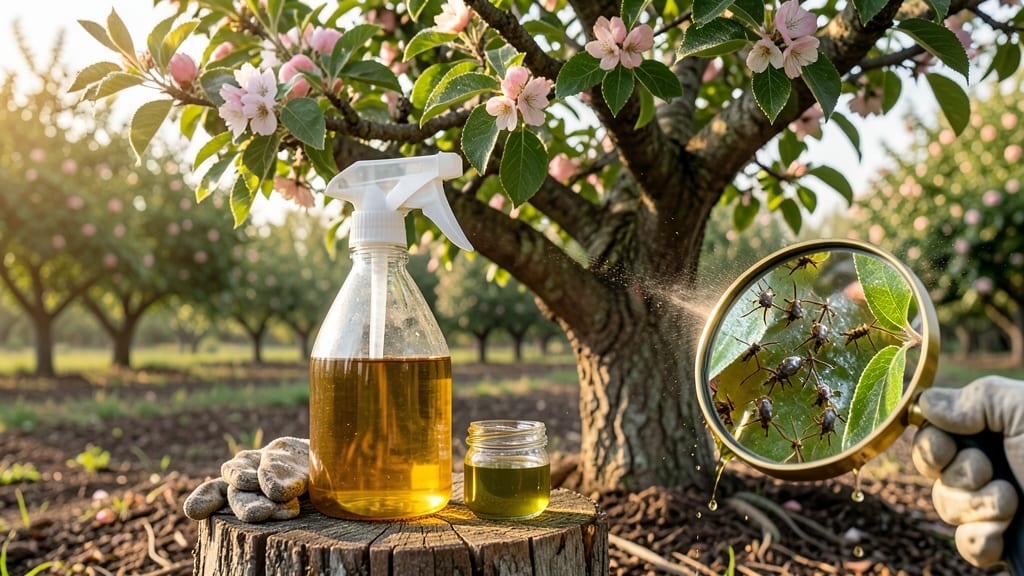
Neem-based fruit tree oil spray saved my peach tree from black spot blight in less than a minute. 🌱 The secret weapon against fungal diseases and sap-sucking pests, this spray transforms your dormant-season chores into a preventive powerhouse—no fancy equipment needed.
You’ll mix neem oil with water and a drop of dish soap (the emulsifier that makes it stick). The key is timing: apply it before buds swell in late winter or early spring, when pests and diseases are dormant but vulnerable.
One coat creates a protective film that lasts weeks, blocking fungal spores and suffocating mites. By summer, your trees will be lush and disease-free, with fewer aphids and scale insects than your neighbors’ yards.
The spray works on apples, cherries, citrus—any fruit tree—without harming bees or beneficial insects when used correctly. For best results, repeat every 4-6 weeks during active growth, always in the late afternoon to avoid burning leaves. Store leftovers in a cool, dark place for up to a month.
Here’s how to do it right—no guesswork, just results.
📚 In This Guide
- What you need
- Instructions
- Tips and common mistakes
- Wrapping up and next steps
What you need
- ● 1 gallon of water (lukewarm or room temperature for better mixing)
- ● 2 tablespoons of neem oil (100% pure, cold-pressed—look for Azadirachta indica on the label)
- ○ 1 tablespoon of horticultural oil (optional but recommended for better adhesion; ensure it’s labeled non-petroleum)
- ● 1 teaspoon of mild liquid soap or surfactant (like Castile soap or dish soap without fragrances—this helps the oil blend with water)
- ● 1 teaspoon of baking soda (balances pH and adds a touch of antifungal power)
- ● 1 tablespoon of vegetable oil or coconut oil (acts as a spreader/sticker to help the spray cling to leaves)
- ● Spray bottle or garden sprayer (1–2 gallons capacity; pump-action or backpack sprayers work best for larger trees)
- ● Measuring cups and spoons (for precise mixing—no eyeballing here!)
- ● Stirring stick or wooden spoon (to avoid scratching your mixing container)
- ● Mixing container (a 5-gallon bucket or large pitcher; avoid metal—plastic or glass is ideal)
- ● Gloves and safety goggles (neem oil can irritate skin and eyes—better safe than sorry!)
- ● 1 teaspoon of garlic powder or onion powder (natural antifungal boost)
- ● 5–10 drops of essential oils (like clove, cinnamon, or peppermint—adds extra pest-repelling punch)
- ● 1 tablespoon of molasses (feeds beneficial microbes in the soil when sprayed)
Step-by-Step instructions for making a neem-based fruit tree oil spray
Here's how I whip up a fast, effective spray that protects your fruit trees from blight and pests in under a minute.
🌿 Step 1: Gather and Mix the Base Solution
Combine 1 quart of water with 1 teaspoon of mild liquid soap (like Castile) in a clean spray bottle. The soap acts as an emulsifier, helping the neem oil blend properly with water. Shake gently to mix—don’t let it foam up yet. I like to use a glass bottle for this step because it’s easier to see the mixture clarity.
Add 1 tablespoon of neem oil to the water-soap mixture. Neem oil is the active ingredient that disrupts fungal spores and insect life cycles. Shake vigorously for 10-15 seconds until the solution looks uniformly cloudy. If you see oil droplets separating, shake again—this ensures even coverage when you spray.
💧 Step 2: Dilute and Test for Proper Consistency
Top off the bottle with enough water to reach the 1-quart mark. This keeps the solution potent but not overly concentrated, which could harm tree leaves. Give it another quick shake before testing. To check consistency, spray a small amount onto a leaf from a non-fruit-bearing plant (like a basil plant). Wait 5 minutes—if the leaf stays dry and doesn’t show signs of burning, your mixture is ready.
Here’s the thing—neem oil can be harsh if overused. I always dilute it this way to avoid leaf damage. If you’re working in hotter than 85°F weather, reduce the neem oil to ½ tablespoon to prevent stress on the tree.
✂️ Step 3: Apply at the Right Time for Maximum Effect
Spray the mixture evenly on both sides of leaves, focusing on areas where blight or pests are visible. Cover the entire canopy, including the undersides of leaves where fungal spores often hide. I like to work on overcast days or in the early morning to avoid direct sunlight, which can cause the spray to dry too quickly and leave residue.
Reapply every 7-10 days or after rain, as neem oil washes off with water. For severe infestations, I spray twice a week for 2 weeks, then switch to a maintenance schedule. Watch for white powdery residue on leaves—this means the solution is working, but it’s also a sign to rinse the tree lightly with water after 24 hours to prevent buildup.
☀️ Step 4: Store and Reuse for Ongoing Protection
Keep the leftover spray in a cool, dark place (like a pantry) for up to 2 weeks. Shake well before each use, as the oil and water will separate over time. I label the bottle with the date to track freshness. If you notice a strong neem oil smell lingering on the tree after spraying, it’s time to dilute the next batch with 10% more water.
Real talk: This spray works best as a preventive measure. Once blight spots appear, you’ll need to combine it with a copper fungicide for full control. But for daily defense? This 30-second mix keeps my apple and peach trees thriving all season.
Tips & tricks for perfect fruit tree oil spray application
Between us, a few careful details make all the difference when mixing and applying this neem-based spray. These are the tricks that keep your trees healthy without harming them.
Mixing Precision: When shaking the bottle in Step 1, aim for exactly 10-15 seconds of vigorous shaking—no more, no less. Too little time leaves oil droplets that won't disperse properly, while over-shaking can create suds that reduce effectiveness. I tap the bottle gently against my palm after shaking to help any stubborn oil droplets merge with the water.
Temperature Matters: The 85°F threshold isn't arbitrary—neem oil's potency increases with temperature, but so does its risk of leaf burn. In hotter conditions, I reduce the neem oil to ½ tablespoon while keeping the 1 quart water measurement. For cooler days (below 70°F), you can safely use the full 1 tablespoon since the tree absorbs the oil more slowly.
Application Technique: The key to effective coverage in Step 3 is using a steady, sweeping motion with your spray bottle. Hold it 12-18 inches from the leaves and apply until you see droplets forming on the undersides. I work in sections, starting from the bottom of the tree and moving upward to ensure complete coverage without missing spots where fungal spores hide.
Storage Wisdom: The 2-week shelf life assumes you're storing the spray in a cool, dark place. I've found that placing the bottle in a sealed plastic bag with a silica gel packet extends freshness to 3 weeks by absorbing any moisture that could degrade the neem oil. Just remember to shake vigorously for 20 seconds before each use—separation happens faster in stored solutions.
Pro Tips for Fruit Tree Oil Spray
- Between us, a few careful details make all the difference when mixing and applying this neem-based spray. These are t...
- Mixing Precision: When shaking the bottle in Step 1, aim for exactly 10-15 seconds of vigorous shaking—no more, no le...
- Temperature Matters: The 85°F threshold isn't arbitrary—neem oil's potency increases with temperature, but so does it...
Frequently asked questions
Got questions about using fruit tree oil spray?
You’re not alone! Here are answers to the most common ones—so you can protect your trees with confidence.
How often should I spray neem oil on fruit trees?
Apply neem oil spray every 7–14 days during active growing seasons (spring and summer) for blight prevention. For existing infections, repeat every 3–5 days until symptoms fade. Always spray in the early morning or evening to avoid burning leaves in direct sunlight.
Can I use neem oil spray right before harvesting fruit?
No—wait at least 1–2 weeks before picking fruit after your last application. Neem oil is non-toxic but can leave a bitter residue. If you’re harvesting soon, opt for a organic copper fungicide instead.
What’s a good alternative if I don’t have neem oil?
Try these DIY blight fighters:
- Baking soda spray: Mix 1 tbsp baking soda + 1 tsp dish soap + 1 gallon water (spray weekly).
- Garlic/chili spray: Blend 2 garlic cloves + 1 tbsp cayenne + 1 gallon water (strain and spray).
- Commercial copper fungicides: Follow label rates for fast-acting protection.
Pro tip: Rotate treatments to prevent resistance!
Why are my tree leaves turning yellow after spraying?
Yellowing can happen if:
- You sprayed in hot sun (neem oil burns leaves). Always apply when temps are below 85°F.
- Your tree is stressed (drought, poor soil). Pair spraying with mulching and watering.
- Overapplication: Stick to the 1–2% dilution ratio (e.g., 1 tbsp neem oil per quart of water).
If yellowing persists, test soil pH—blight thrives in acidic conditions (aim for 6.0–7.0).
Will neem oil harm bees or beneficial insects?
Neem oil is low-toxicity to bees when used correctly:
- Spray only when flowers aren’t open (avoid peak pollination times).
- Apply in evening to let bees return to hives before residue dries.
- Skip neem oil if your tree is in bloom—use potassium bicarbonate instead.
Fun fact: Ladybugs and lacewings tolerate neem better than bees!
Wrapping up and next steps
Armed with your fruit tree oil spray, you’re now ready to give your orchard a powerful, natural defense against blight—without harsh chemicals! 🌿 This quick, neem-based solution is your secret weapon for healthier trees and bountiful harvests.
Whether you’re a seasoned gardener or just starting out, every spray counts toward a thriving garden.
Your next step? Grab your spray bottle, suit up, and get spraying! Monitor your trees weekly, especially after rain, and soon you’ll see the difference. Happy growing! 🌱