
Pruning
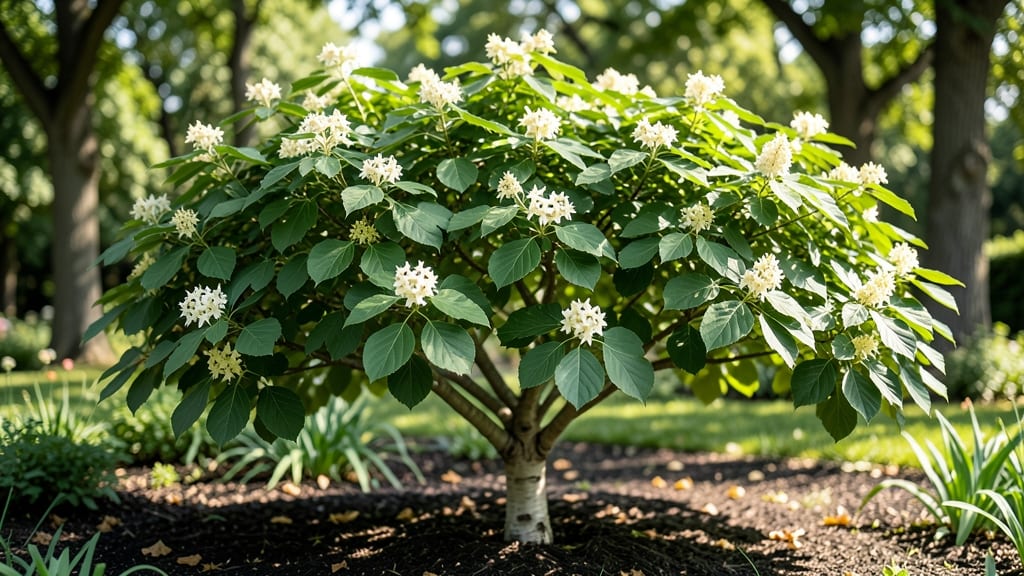
Your dogwood tree green starts with a sharp pair of pruners and a little seasonal strategy. 🌿 I’ve watched my flowering dogwood go from sparse branches to a lush, vibrant canopy by following these simple pruning rules—no guesswork, just science-backed cuts that keep leaves rich and healthy year-round.
The secret isn’t just trimming dead wood—it’s timing. Prune late winter to early spring before new growth starts, and again lightly after flowering to shape without sacrificing blooms.
Too much pruning in summer stresses the tree, while winter cuts risk frost damage. Think of it as a haircut: keep it healthy, not drastic.
You’ll notice the difference in just one growing season: thicker foliage, fewer yellow leaves, and branches that fill out naturally. The tree’s natural shape returns, and pests have fewer hiding spots. For flowering dogwoods, this means more blooms next spring too—nature’s reward for careful pruning.
Works for all dogwood varieties, from the classic flowering types to the less common Cornus florida cultivars. The key is patience: a little effort now means a tree that stays green, strong, and stunning for decades. Let’s get those branches looking their best.
📚 In This Guide
- What you need
- Instructions
- Tips and common mistakes
- Wrapping up and next steps
What you need
- ● Pruning shears – Bypass pruners (for small branches, 5-8" blades) or anvil pruners (for thicker branches, 6-10" blades). Sharpness is key!
- ● Loppers – 8-12" cutting capacity for medium-sized branches (2–4" diameter). Look for ratcheting or bypass styles for clean cuts.
- ● Pruning saw – Curved-tooth or folding saw for branches thicker than 4" (avoid crushing the bark!).
- ● Disinfectant – 70% isopropyl alcohol or a pruning sealant (like Tanglefoot Pruning Seal) to prevent disease spread.
- ● Gloves – Heavy-duty, cut-resistant (e.g., Mechanix or garden gloves) to protect from thorns and rough bark.
- ● Safety glasses – ANSI-rated to shield eyes from debris.
- ● Ladder or step stool – Sturdy, non-slip (extendable ladder for taller trees; max height: 3x ladder length).
- ● Heavy-duty trash bags – 10+ gallon capacity for debris (or a wheelbarrow for large pruning jobs).
- ● Extension pole pruners – For high branches without a ladder (e.g., Felco F-2 or Gonicc models).
- ● Tree wound dressing – Pruning paste (controversial but useful for large cuts; skip if your dogwood is Cornus florida or Cornus kousa).
- ● Marking spray or tape – Brightly colored (e.g., orange or pink) to flag branches for removal.
- ● Knee pads or stool – For comfort during ground-level pruning.
- ● First-aid kit – Just in case (thorns + ladders = ouch!).
How to prune dogwood trees for year-round health and beauty
Here’s my foolproof method for keeping your dogwoods lush, disease-free, and perfectly shaped—without the guesswork.
🌿 Step 1: Assess the Tree in Late Winter Before New Growth
Start pruning in late winter or early spring, just as buds swell but before leaves emerge. This timing prevents stress and disease spread. Look for dead, diseased, or crossing branches—these are your first targets. Dead wood is brittle and snaps easily when bent; diseased branches often have blackened cankers or oozing sap.
I always scan the entire tree from all angles, using a 10-foot pole pruner for high branches. Remove any branches growing straight upward—these create weak crotches where storms can break the tree. Thin the canopy by 20-30% to improve airflow, which is critical for preventing fungal issues like anthracnose.
✂️ Step 2: Make Clean Cuts at the Right Angles and Locations
Use sharp, sterilized pruning tools to make cuts at a 45-degree angle, just outside the branch collar—the swollen area where the branch meets the trunk. This ensures proper healing. For larger branches over ½ inch thick, cut in three steps: first undercut the bottom, then make the main cut, and finally remove the stub. Never leave stubs—they invite decay.
If a branch is too large to cut in one go, make a notch on the underside first to prevent tearing. I always clean my shears with rubbing alcohol between cuts to avoid spreading pathogens. For dogwoods, precision matters—poor cuts can lead to sunscald or dieback in the following seasons.
☀️ Step 3: Shape for Light Penetration and Airflow
Dogwoods thrive when sunlight reaches the inner branches, so aim for an open, vase-like shape. Remove suckers (shoots growing from the base or roots) immediately—they drain energy from the main tree. Prune back overly vigorous branches by ⅓ to encourage bushier growth. Avoid heavy pruning in summer, as it stresses the tree and makes it vulnerable to pests.
Step back frequently to check your work—you want a balanced silhouette with no dense clusters. If you’re unsure, compare your tree to a healthy reference photo of a mature dogwood. The goal is to mimic nature’s shape, not create a geometric look. Over-pruning weakens the tree, so resist the urge to "neaten" it too aggressively.
💧 Step 4: Post-Pruning Care for Faster Recovery
After pruning, water the tree deeply to encourage root growth and reduce stress. Apply a 2-3 inch layer of mulch (but keep it 6 inches away from the trunk) to retain moisture and suppress weeds. Avoid fresh mulch right after pruning—wait 2-3 weeks to let cuts heal slightly first.
Monitor the tree for new growth in the following weeks. If you see yellowing leaves or wilting, it may indicate over-pruning or disease. Dogwoods are resilient, but they need time to recover. I recommend light pruning in summer (June-July) to shape flowers or remove sucker growth, but keep it minimal—no more than 10% of the canopy.
Tips & tricks for perfect dogwood tree pruning
These pro-level insights will help you transform your dogwood into a thriving, disease-resistant masterpiece—without the common mistakes that sabotage even the best intentions.
Timing is Everything: The late winter to early spring window (just as buds swell) is non-negotiable for dogwoods. This timing prevents stress and disease spread by avoiding active growth cycles. I've seen too many trees suffer from summer pruning—dogwoods are particularly vulnerable to pests during this period. Mark your calendar for that critical window between dormancy and leaf emergence, and you'll set your tree up for success.
Precision Cuts Prevent Problems: When making those 45-degree cuts just outside the branch collar, think of it like surgery—precision matters. For branches over ½ inch thick, the three-step cutting method (undercut, main cut, stub removal) is your best defense against decay. I learned this the hard way after seeing a dogwood develop sunscald from improper cuts. Sterilize your tools between cuts with rubbing alcohol to prevent pathogen spread—this simple step can save your tree from fungal infections.
Shape with Purpose: Dogwoods naturally grow in a vase-like shape, and that's exactly what you should aim for. The goal isn't to create a perfect geometric form but to allow sunlight to penetrate the inner canopy. When you're pruning back overly vigorous branches by ⅓, visualize how each cut will improve airflow. I always step back every few cuts to check the overall silhouette—this prevents that "over-pruned" look that weakens trees. Think of it as sculpting with nature's intentions in mind.
Post-Pruning Recovery Secrets: That 2-3 inch layer of mulch (kept 6 inches from the trunk) isn't just decoration—it's a protective barrier that retains moisture and suppresses weeds. The 2-3 week waiting period before adding fresh mulch might seem counterintuitive, but it gives those fresh cuts time to begin healing. I've noticed that trees with proper post-pruning care show new growth within 4-6 weeks, while neglected ones struggle. This is where many gardeners unknowingly sabotage their hard work.
Pro Tips for Dogwood Tree Green
- These pro-level insights will help you transform your dogwood into a thriving, disease-resistant masterpiece—without the common mistakes that sabotage even the best intentions.
- Timing is Everything: The late winter to early spring window (just as buds swell) is non-negotiable for dogwoods.
- Precision Cuts Prevent Problems: When making those 45-degree cuts just outside the branch collar, think of it like surgery—precision matters.
Frequently asked questions
Got questions about keeping your dogwood tree green while pruning? You’re not alone! Here are answers to the most common concerns—whether you’re a newbie or a seasoned gardener looking for a refresher.
When is the best time to prune a dogwood tree to keep it healthy and green?
The ideal time to prune dogwoods is late winter or early spring (just before new growth starts). This minimizes stress and disease risk. Avoid heavy pruning in summer or fall, as it can expose the tree to dogwood anthracnose or other fungal issues. Light shaping in late spring is fine, but keep cuts clean!
Can I prune a dogwood tree in summer without harming it?
Yes, but limit it to minor adjustments—like removing dead branches or a few overgrown stems. Heavy summer pruning can stress the tree, leading to leaf scorch or reduced vigor. If you must prune, do it on a cool, cloudy day and sterilize your tools to prevent disease spread. Think of it as a light trim, not a full makeover!
Why are my dogwood tree leaves turning brown after pruning?
Brown leaves post-pruning usually mean stress or disease. Check for these culprits:
- Over-pruning: Too many cuts at once can shock the tree.
- Fungal infections: Like anthracnose, common in wet conditions.
- Pests: Spider mites or borers can weaken the tree.
Solution: Water deeply, apply a fungicide if needed, and avoid pruning during rainy spells. If the issue persists, consult a local arborist!
How much can I prune a dogwood tree without killing it?
Dogwoods are resilient, but never remove more than 25% of the canopy in one year. For mature trees, aim for 5–10% annually to maintain shape. Focus on:
- Dead, diseased, or crossing branches.
- Suckers or water sprouts at the base.
- Thinning out dense areas for airflow.
Pro tip: Step back often—your tree’s natural form is its best asset!
Are there alternatives to pruning if my dogwood isn’t thriving?
If pruning isn’t cutting it (pun intended), try these low-stress fixes:
- Fertilize: Use a balanced, slow-release fertilizer in early spring.
- Mulch: Add 2–3 inches of organic mulch to retain moisture.
- Water deeply: Dogwoods need 1–2 inches of water weekly during dry spells.
- Test soil: pH should be 4.5–6.0; amend if needed.
For severe issues (like dieback), a soil test and targeted care may be needed—don’t hesitate to ask an expert!
Wrapping up and next steps
Pruning your dogwood tree green isn’t just about aesthetics—it’s a year-round commitment to its health, vibrancy, and longevity. By mastering the right techniques, timing, and tools, you’ll unlock a stunning canopy that thrives for seasons to come. 🌿
Now that you’re armed with the knowledge, grab those pruners and give your dogwood the care it deserves! Start small—whether it’s a single branch or a full overhaul—and watch your tree flourish. Happy pruning!