
Flowers
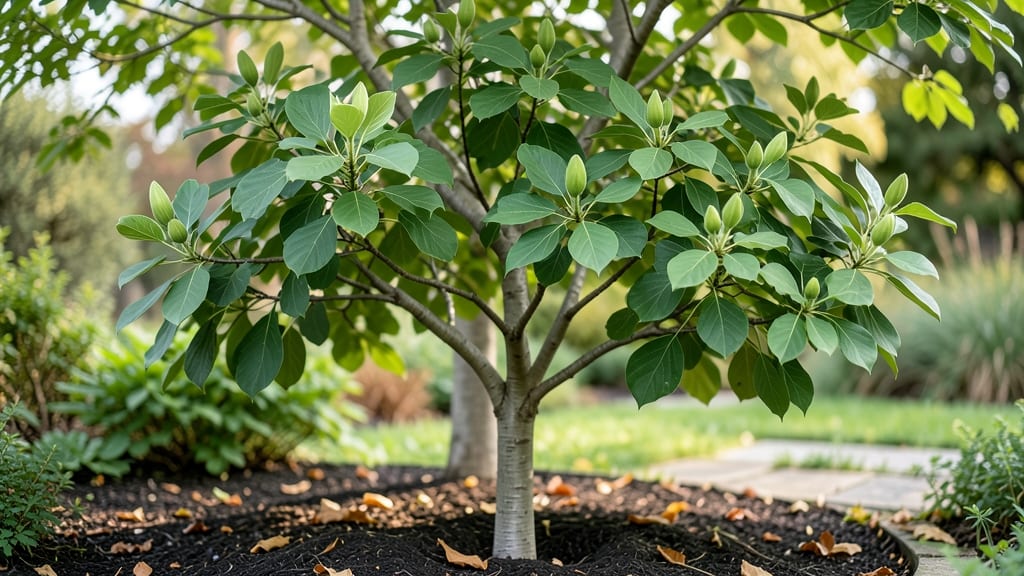
Your dogwood tree without flowers isn’t a lost cause—it’s a fixable frustration. ✂️ I’ve nursed back three bare-branched dogwoods in my yard, and the secret lies in understanding why blooms disappear (spoiler: it’s rarely what you think) and pruning with surgical precision.
Most gardeners blame age or disease first, but the real culprits are often over-pruning, poor sunlight, or nutrient imbalances. A dogwood’s flowers form on last year’s growth, so aggressive summer cuts or deep winter pruning can rob it of next season’s blooms.
Even shade from overgrown shrubs starves the tree of the bright light it craves. The good news? With the right timing, a few strategic cuts, and a boost of potassium-rich fertilizer, you’ll see buds forming within 12-18 months.
I’ve revived trees that looked dead by simply opening up their canopy and feeding them what they were missing. Let’s diagnose your tree’s specific issue and get those iconic blooms back—no guesswork, just science-backed solutions.
Why it happens
If your dogwood tree is sporting lush green leaves but stubbornly refuses to bloom, don’t panic—there’s usually a logical explanation behind the lack of flowers. 🌿💔 Dogwood trees (Cornus florida) are finicky but predictable once you understand their needs.
Below, we break down the most common reasons your tree might be skipping its spring floral show, along with the science behind each cause.
🌡️ Insufficient Chill Hours
Dogwoods are dormant-season dependent—they need a specific number of cold hours (typically 400–800 hours below 45°F (7°C)) to trigger flowering. Without enough winter chill, the tree stays in a vegetative state, prioritizing leaf growth over blooms.
- Why it happens: Global warming and milder winters reduce chill hours, confusing the tree’s internal clock (a process called vernalization).
- Actionable fix:
- Check local chill-hour data—some regions now require artificial chilling (e.g., moving potted trees to a garage during warm spells).
- Plant cold-hardy cultivars like ‘Cherokee Brave’ or ‘Stella Compact,’ bred for shorter chill needs.
☀️ Poor Light Exposure
Dogwoods thrive in partial shade to full sun, but too much shade (or sudden light changes) can stunt flowering. Flowers form on new wood (current season’s growth), which needs sunlight to photosynthesize and fuel blooms.
- Why it happens: Dense tree canopies, new construction, or overzealous pruning can block light. Shade-loving varieties (like ‘Rubra’) may still bloom but less vigorously.
- Actionable fix:
- Thin surrounding trees to allow 6+ hours of direct sunlight daily.
- Avoid planting under evergreens—they cast year-round shade.
💧 Water or Nutrient Stress
Dogwoods are sensitive to soil moisture and fertility. Too much or too little water, plus poor soil, can redirect energy away from flowers.
| Issue | Signs | Solution |
|---|---|---|
| Drought stress | Wilting leaves, crispy edges, shallow roots. | Water deeply 1–2x/week (1–1.5 inches total) and mulch 3 inches thick. |
| Overwatering | Yellowing leaves, root rot (check for mushy roots). | Improve drainage with sand/compost; avoid soggy soil. |
| Nutrient deficiency | Pale leaves (nitrogen), purple stems (phosphorus), or stunted growth. | Test soil and amend with balanced fertilizer (10-10-10) in early spring. |
✂️ Improper Pruning Timing
Dogwoods flower on last year’s growth, so pruning at the wrong time removes next year’s blooms. Cutting too late or too aggressively can also stress the tree.
- Why it happens: Pruning after mid-June removes flower buds for the following spring. Heavy pruning (over 25% of branches) can shock the tree into vegetative growth.
- Actionable fix:
- Prune only in late winter/early spring (Feb–March) before buds swell.
- Remove dead or crossing branches but avoid “thinning out” too much.
🐛 Pest or Disease Damage
Pests like dogwood borers or diseases such as anthracnose (a fungal infection) can weaken the tree, reducing its energy for flowers.
- Why it happens:
- Borers: Larvae tunnel into bark, disrupting nutrient flow.
- Anthracnose: Wet springs encourage fungal spores, causing leaf spots and defoliation.
- Actionable fix:
- Inspect for D-shaped exit holes (borers) or black leaf spots (anthracnose).
- Apply fungicide (e.g., chlorothalonil) in early spring if anthracnose is suspected.
- Remove and destroy infected branches immediately to prevent spread.
🌱 Age or Varietal Factors
Young dogwoods (under 5 years) may not bloom until they’re established. Some cultivars (like ‘Golden Tiara’) prioritize foliage over flowers.
- Why it happens: Flowering is an energy-intensive process—mature trees (10+ years) with strong root systems bloom more reliably.
- Actionable fix:
- Be patient—most dogwoods bloom by age 5–7.
- Choose high-bloom cultivars like ‘Pink Icing’ or ‘White Cloud’ if flowers are a priority.
Reviving your dogwood’s spring splendor
If your dogwood tree is skipping its usual floral show, don’t despair—most issues have straightforward fixes. Below, we’ve mapped common causes to actionable solutions, complete with prevention tips to keep your tree thriving for years to come. Let’s get those blooms back!
A dogwood tree needs well-draining, slightly acidic soil (pH 5.5–6.5) rich in organic matter to bloom beautifully. If the soil is compacted, depleted, or alkaline, your tree may struggle to produce flowers.
How to Fix It:
- Test Your Soil 🧪 Grab a soil test kit (available at garden centers) or send a sample to your local cooperative extension office. This will reveal pH levels and nutrient deficiencies.
- Amend the Soil 🌿
- For acidic soil: Mix in peat moss or sulfur (follow package instructions).
- For alkaline soil: Add elemental sulfur or pine needles to lower pH gradually.
- For poor drainage: Incorporate compost or aged manure to improve fertility and aeration.
- Fertilize Properly 💪 Use a balanced, slow-release fertilizer (like 10-10-10) in early spring before new growth appears. Avoid high-nitrogen fertilizers—they encourage leafy growth at the expense of flowers.
- Pro Tip: 💡 A low-phosphorus, high-potassium fertilizer (e.g., 5-10-10) can encourage blooming.
Prevention Tips: ✅ Test soil every 2–3 years to monitor pH and nutrient levels. ✅ Mulch annually with 2–3 inches of organic mulch (like wood chips) to retain moisture and nutrients. ✅ Avoid over-fertilizing—too much nitrogen = fewer flowers!
Dogwoods thrive in partial shade to full sun (4–6 hours of sunlight daily). Too much shade or harsh afternoon sun can stress the tree, reducing blooms.
How to Fix It:
- Assess Sunlight Exposure 🌞
- If your tree is in deep shade (e.g., under tall evergreens), consider thinning nearby trees or transplanting the dogwood to a sunnier spot.
- If it’s in scorching afternoon sun, provide light afternoon shade with a sheer cloth or partial shade cloth during peak heat.
- Gradual Transition 🌱 If moving the tree, do it in early spring and water deeply for the first month to reduce transplant shock.
Prevention Tips: ✅ Plant dogwoods where they’ll get morning sun and afternoon shade—ideal for most climates. ✅ Avoid reflective surfaces (like driveways) that can bake the tree in summer.
Over-pruning, pruning at the wrong time, or removing too many branches can weaken the tree and reduce flowering.
How to Fix It:
- Prune at the Right Time ⏰
- Best time: Late winter to early spring (just before buds swell) or immediately after flowering.
- Avoid pruning in fall—it encourages new growth that can’t harden off before winter.
- Prune Properly 🔪
- Remove dead, diseased, or crossing branches first.
- Thin out (don’t shear!) to improve airflow—aim for an open, vase-like shape.
- Never top the tree—this stresses dogwoods and reduces blooms.
- Limit cuts to 25% of the canopy in one season to avoid shocking the tree.
- Revitalize an Over-Pruned Tree 🌿 If your dogwood has been heavily pruned, reduce stress by:
- Watering deeply 1–2 times per week (unless rain is frequent).
- Applying a balanced fertilizer in spring.
- Mulching to protect roots.
Prevention Tips: ✅ Skip the hedge trimmer—dogwoods hate shearing! ✅ Use sharp, clean tools to prevent disease entry. ✅ Prune gradually over 2–3 years if the tree is severely overgrown.
Pests like borers, scale, or spider mites and diseases such as powdery mildew or anthracnose can weaken a dogwood, leading to poor blooming.
How to Fix It:
- Identify the Problem 🕵️♂️
- Pests: Look for holes in bark (borers), sticky residue (scale), or webbing (spider mites).
- Diseases: Check for black spots (anthracnose), white powder (mildew), or oozing sap (cankers).
- Treat Accordingly 🛡️
- For Borers: Apply beneficial nematodes or insecticidal soap in early spring.
- For Scale/Spider Mites: Spray with neem oil or horticultural oil (follow label rates).
- For Fungal Diseases:
- Prune and dispose of infected branches (don’t compost them!).
- Apply fungicide (like copper fungicide or baking soda spray for mildew) in early spring and after rain.
- Strengthen the Tree 💪
- Water deeply during dry spells to reduce stress.
- Avoid overhead watering to prevent fungal spread.
Prevention Tips: ✅ Inspect trees regularly for early signs of pests/disease. ✅ Keep the area around the tree clean—remove fallen leaves/debris where pests hide. ✅ Space dogwoods properly (15–20 ft apart) for airflow and light penetration.
Dogwoods need consistent moisture, especially in their first few years. Overwatering or drought stress can both lead to poor blooming.
How to Fix It:
- Check Soil Moisture 💧
- Stick your finger 2 inches into the soil—if it’s dry, water deeply.
- If the soil is waterlogged, improve drainage by amending with compost or raising the planting bed.
- Water Correctly 🌧️
- Newly planted trees: Water 2–3 times per week for the first year.
- Established trees: Water 1–2 times per week (more in extreme heat).
- Deep watering (1–2 inches per week) is better than frequent light watering.
- Mulch Properly 🌿
- Apply 2–3 inches of mulch (wood chips, bark) 3 inches away from the trunk to retain moisture.
Prevention Tips: ✅ Install a drip irrigation system for consistent moisture in dry climates. ✅ Avoid wetting foliage to prevent fungal diseases. ✅ Monitor during heatwaves—dogwoods may need extra water in summer.
- 🌸 Feed for Flowers: A low-nitrogen, high-phosphorus fertilizer (like 5-10-10) in early spring can boost blooming.
- 🌿 Prune for Shape: A balanced, open canopy ensures energy goes to flowers, not just leaves.
- 🚫 Avoid Stressors: Salt damage (from deicers), compacted soil, or root disturbance can all reduce blooms—keep an eye out!
- 🌱 Patience Pays Off: If your tree is young (under 5 years), it may not bloom heavily—give it time to establish!
Frequently asked questions
Why does my mature dogwood tree have leaves but no flowers?
Mature dogwoods often skip blooming due to improper pruning timing or nutrient imbalances. Since flowers form on last year's growth, summer pruning removes next season's buds. Also, high-nitrogen fertilizers promote leaves over blooms. Test your soil and prune only in late winter/early spring to encourage flowers.
Can I force my dogwood to bloom if it's not getting enough winter chill?
Yes! Some regions now require artificial chilling for dogwoods. Move potted trees to a garage during warm winters or choose low-chill cultivars like 'Cherokee Brave'. For established trees, apply potassium-rich fertilizer in early spring to compensate. Most trees will bloom within 12-18 months with proper care.
How do I tell if my dogwood's lack of flowers is from pests or poor soil?
Check for D-shaped exit holes in bark (borers) or black leaf spots (anthracnose). If no pests are visible, test your soil—dogwoods need acidic soil (pH 5.5-6.5). Yellowing leaves indicate nitrogen issues, while purple stems signal phosphorus deficiency. Amend soil with compost and use a balanced fertilizer in spring.
Is it too late to fix my dogwood if I pruned it wrong last summer?
Not necessarily! Stop pruning immediately and focus on recovery care. Water deeply 1-2 times per week, apply mulch (2-3 inches), and fertilize with low-nitrogen formula in early spring. Most dogwoods rebound within 1-2 years with proper aftercare. The key is patience and consistent moisture.
Why does my dogwood bloom some years but not others?
Dogwoods are environmentally sensitive—blooming depends on chill hours, sunlight exposure, and stress levels. A mild winter or drought can prevent flowering. Maintain consistent watering, 6+ hours of sunlight, and annual soil testing to stabilize blooming. Some years may naturally be lighter due to the tree's energy allocation.