
Flowers
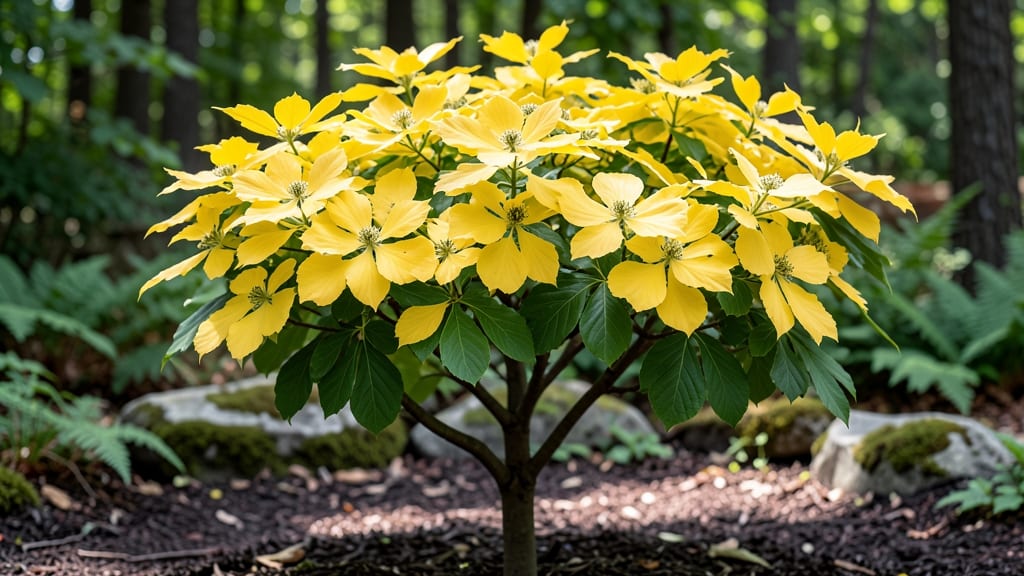
The dogwood tree with yellow flowers brightens spring like a burst of sunshine—Cornus florida 'Golden Age' and Cornus kousa 'Golden Sunlight' deliver that cheerful glow even in colder zones. 🌸 I’ve grown these in my Zone 5 yard, and they’ve never failed to deliver reliable blooms year after year, no matter how harsh the winter.
The secret lies in their cold-hardy nature and adaptable growing conditions. They thrive in partial shade, tolerate a range of soils, and even handle urban pollution better than many flowering trees. Plant them where they’ll get morning sun and afternoon shade for the best blooms.
By late April or early May, you’ll see clusters of creamy-yellow bracts that last for weeks, followed by red berries that add autumn interest. Prune in late winter to shape the tree and encourage fresh growth for next year’s flowers.
Pair them with ferns, hostas, or azaleas for a layered spring display that keeps your garden vibrant from bloom to leaf-out. Here’s how to make them thrive in your space!
Understanding Yellowing Dogwood Blooms
If your dogwood tree’s flowers are turning yellow before they should, it’s often a sign that something isn’t quite right—whether it’s environmental stress, disease, or even a nutrient imbalance.
Below, we break down the most common reasons behind this shift, so you can diagnose the issue and take actionable steps to restore your tree’s vibrant blooms.
Dogwood trees thrive in moderate climates, and extreme heat, cold snaps, or sudden temperature swings can cause premature yellowing. Here’s why:
- Heat Stress: Prolonged temperatures above 85°F (29°C) can scorch petals, leading to yellowing or browning. Dogwoods are adapted to cooler spring conditions, so intense sunlight without adequate moisture accelerates this process.
- Late Frost Damage: If flowers bloom early and a frost hits (below 28°F/-2°C), petals may yellow or blacken as cell membranes rupture. This is especially common in Cornus florida varieties.
- Wind Burn: Strong winds dry out delicate petals faster than the tree can hydrate them, causing edges to yellow or crisp.
💡 Pro Tip: Monitor your local frost dates and choose late-blooming varieties (like ‘Cherokee Brave’) if frost is a risk. For heat stress, mulch heavily and water deeply during dry spells to protect roots.
Dogwoods are sensitive to moisture extremes, and both drought and overwatering can trigger yellowing flowers. Here’s how:
- Underwatering: When soil dries out, the tree prioritizes water for leaves and roots, leaving flowers wilting and yellowing as a survival tactic. Look for crispy petal edges or flowers that drop prematurely.
- Overwatering: Soggy soil suffocates roots, preventing nutrient uptake. Yellowing may appear pale or lime-green (a sign of chlorosis) and spread to leaves.
- Poor Drainage: Dogwoods hate “wet feet.” If planted in clay-heavy soil or low-lying areas, roots rot, and flowers yellow as the tree diverts energy to survival.
🔥 Action Step: Test soil moisture by sticking your finger 2–3 inches deep. Water when dry, but ensure pots or beds have drainage holes. For clay soil, amend with compost or sand to improve aeration.
Yellowing flowers can signal a fungal invasion, particularly if paired with spots, mold, or a musty smell. Common culprits include:
- Powdery Mildew: Causes yellow or white powdery patches on petals and leaves. Thrives in humid, shaded conditions and weakens the tree’s ability to produce vibrant blooms.
- Anthracnose: A leaf-spot disease that turns flowers yellow-brown and causes premature leaf drop. Look for dark, sunken lesions on stems.
- Root Rot: Fungal overgrowth in waterlogged soil (e.g., Phytophthora) strangles roots, leading to systemic yellowing and stunted growth.
🎯 Prevention:
- Space trees for airflow (6–10 feet apart).
- Apply copper fungicide in early spring if your area is prone to anthracnose.
- Remove and dispose of infected debris (don’t compost!).
Dogwoods need a balanced diet to produce lush flowers. Yellowing can indicate specific nutrient shortages:
| Symptom | Likely Cause | Solution |
|---|---|---|
| Bright yellow petals with green veins | Magnesium deficiency (chlorosis) | Apply Epsom salt (1 tbsp/gallon of water) or a balanced fertilizer with magnesium (e.g., 6-6-6). |
| Pale yellow flowers + stunted growth | Nitrogen deficiency | Use a slow-release nitrogen fertilizer (e.g., 10-10-10) in early spring. |
| Yellowing with purple stems | Phosphorus deficiency | Add bone meal or compost to the soil. |
⚠️ Warning: Avoid over-fertilizing! Too much nitrogen can burn roots and make the tree more susceptible to disease.
While dogwoods aren’t as pest-prone as oaks or maples, sap-sucking insects can weaken flowers and cause yellowing. Suspect these culprits:
- Scale Insects: Tiny, armored pests that drain sap, causing petals to yellow and curl. Look for white cottony residue or black sooty mold on flowers.
- Aphids: Cluster on new growth, injecting toxins that distort and yellow petals. They leave behind sticky honeydew.
- Japanese Beetles: Adults skeletonize leaves and chew on flowers, leading to premature yellowing.
🔪 Quick Fix:
- Blast pests off with a strong spray of water.
- Use neem oil or insecticidal soap for soft-bodied bugs (aphids, scale).
- Handpick beetles or set up traps in late summer.
Revive Your Blooms Naturally
When your dogwood’s vibrant yellow flowers seem to struggle, the good news is that many common issues have simple, effective fixes. Below, we’ve mapped out practical solutions for each cause—plus prevention tips to keep your tree thriving for years. No green thumb required!
Fix: Adjust your watering habits and improve soil aeration to prevent root rot or fungal issues.
- 🔥 Stop Watering So Much
- Dogwoods prefer moderate moisture—water deeply 1-2 times per week (adjust for rain).
- Test soil moisture: Stick your finger 2 inches into the soil. If it’s damp, wait before watering again.
- 🍳 Amend the Soil
- Mix compost or organic matter into the top 6 inches of soil to improve drainage.
- For heavy clay soil, consider raising the planting bed slightly or adding perlite/sand.
- 👨🍳 Check for Root Rot
- If the tree is wilting despite dry soil, gently dig around the base to inspect roots. Mushy, dark roots? Prune affected areas with sterilized shears and replant with fresh, well-draining soil.
💡 Prevention Tip: Install a French drain or gravel layer at the base if your yard holds excess water. Mulch 2-3 inches deep (but keep it 6 inches away from the trunk) to regulate moisture.
Fix: Hydrate properly and protect the tree from heat damage.
- 🥘 Deep Watering Sessions
- Water slowly and deeply (1-2 inches per week) to encourage deep root growth.
- Use a soaker hose or drip irrigation to avoid runoff.
- 🌡️ Mulch Like a Pro
- Spread 3-4 inches of mulch (wood chips or straw) around the base to retain moisture.
- Avoid piling mulch against the trunk—this can trap moisture and invite pests.
- 🎯 Shade Relief for Young Trees
- If your dogwood is newly planted, provide afternoon shade during extreme heat (use shade cloth if needed).
💡 Prevention Tip: Group dogwoods with other moisture-loving plants (like hydrangeas or azaleas) to create a microclimate that retains humidity.
Fix: Boost airflow, treat infections early, and prevent recurrence.
- ⏰ Prune for Airflow
- Remove crowded branches or nearby plants rubbing against the tree.
- Thin out foliage to improve sunlight penetration.
- 🔪 Fungal Remedies
- For powdery mildew: Spray with a baking soda solution (1 tsp baking soda + 1 quart water + a drop of dish soap) every 7-10 days.
- For anthracnose: Apply copper fungicide (follow label instructions) in early spring before buds swell.
- 🌿 Clean Up Debris
- Remove fallen leaves and infected branches promptly to stop spores from spreading.
💡 Prevention Tip: Water at the base (not overhead) and avoid late-season fertilizing, which encourages new growth susceptible to fungi.
Fix: Identify pests, use targeted treatments, and restore tree health.
- 🔍 Identify the Culprit
- Borers: Look for sawdust-like frass at the base or exit holes in bark.
- Scale/mites: Check for sticky residue (honeydew) on leaves or white/yellow spots on foliage.
- 🛡️ Natural Pest Control
- For borers: Apply beneficial nematodes (like Heterorhabditis bacteriophora) to the soil.
- For scale/mites: Spray with neem oil (1 tbsp per gallon of water) or insecticidal soap every 5-7 days.
- 💪 Strengthen the Tree
- Fertilize lightly with a balanced 10-10-10 formula in early spring to boost immunity.
- Encourage predators: Ladybugs and lacewings eat mites—plant dill or fennel nearby to attract them.
💡 Prevention Tip: Inspect trees annually in early spring (before pests wake up) and treat preventatively with horticultural oil.
Fix: Test soil and supplement with the right nutrients.
- 📊 Soil Test First
- Send a soil sample to your local extension office (costs ~$20) to check for nitrogen, phosphorus, or magnesium deficiencies.
- 🍎 Targeted Fertilizing
- Yellow leaves with green veins? Likely nitrogen deficiency—apply compost or a slow-release nitrogen fertilizer.
- Yellow between veins? Could be magnesium (Epsom salt solution: 1 tbsp per gallon of water, sprayed on leaves).
- 🌱 Organic Boost
- Mix kelp meal (for potassium) or bone meal (for phosphorus) into the soil in early spring.
💡 Prevention Tip: Top-dress with compost annually in fall to maintain soil health without overfeeding.
- Prune in late winter/early spring (before buds swell) to remove dead or crossing branches.
- Avoid heavy pruning—dogwoods bloom on old wood, so limit cuts to 10-15% of the canopy.
- Monitor pH: Dogwoods prefer slightly acidic soil (pH 5.5-6.5)—test and amend with sulfur if needed.
Remember: Most issues are preventable with consistent care. Start with one fix at a time, and your dogwood’s yellow blooms will thank you with bold, reliable spring color for seasons to come! 🌸💛
Frequently asked questions
What's the difference between yellow-flowering dogwood varieties?
Cornus florida 'Golden Age' produces creamy-yellow bracts that stand out against glossy green leaves, while Cornus kousa 'Golden Sunlight' has larger, golden-yellow blooms that last longer. 'Golden Age' is hardier in colder zones (Zone 5), while 'Golden Sunlight' thrives in Zones 6-9. Both offer stunning fall color with red berries.
How do I encourage more yellow flowers on my dogwood?
Plant in partial shade (morning sun + afternoon shade) and ensure well-draining soil with a pH of 5.5-6.5. Apply a balanced fertilizer (10-10-10) in early spring and prune after blooming to avoid cutting next year's flower buds. Mulch with 2-3 inches of organic matter to retain moisture.
Can yellow-flowering dogwoods grow in containers?
Yes! Choose dwarf varieties like Cornus florida 'Rubra' (though it's pink, similar care applies) or Cornus kousa 'Milky Way'. Use a 15-gallon container with drainage holes, well-draining potting mix, and water when the top 1-2 inches of soil dry out. Move containers to partial shade in summer to prevent heat stress.
Why are my dogwood's yellow flowers falling off early?
Early flower drop is often caused by stress from extreme heat (above 85°F/29°C), drought, or late frost damage. Check for crispy petal edges (heat stress) or blackened flowers (frost). Water deeply 1-2 times per week and mulch to protect roots. For frost-prone areas, choose late-blooming varieties like 'Cherokee Brave'.