
Diseases
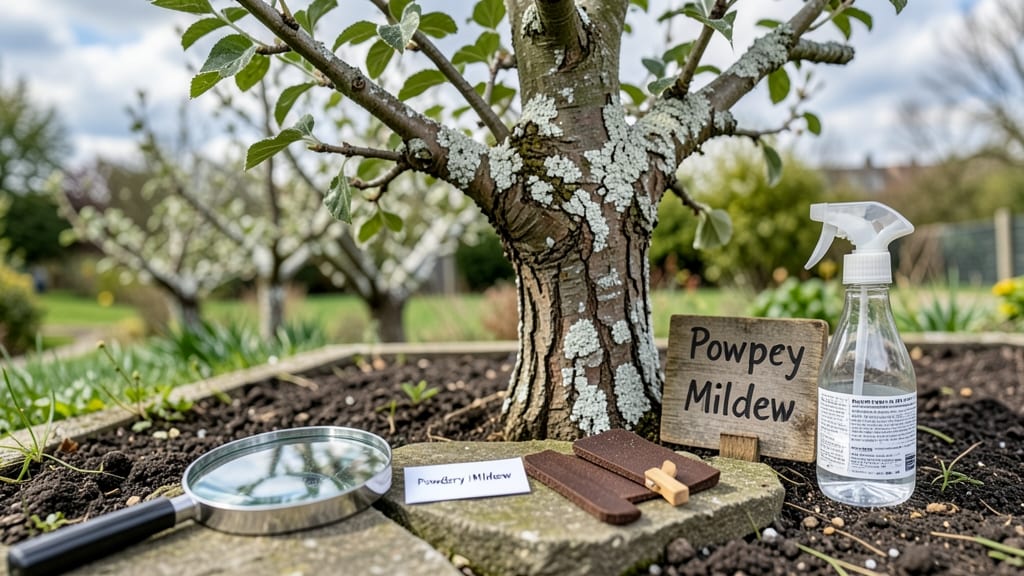
Powdery mildew on tree bark isn’t just ugly—it’s a silent threat to your tree’s health. 🌳 I’ve watched this white, powdery fungus creep up the trunks of my apple and pear trees, turning vibrant bark into a sad, dusty mess.
The good news? You can stop it without harsh chemicals if you act fast and use the right strategies.
This guide covers everything from early warning signs (like those first faint white spots) to simple fixes like pruning for airflow and using baking soda sprays. Most trees—especially fruit trees, roses, and lilacs—get hit hard, but with the right care, you’ll see fresh, clean bark within weeks. No fungicides needed.
The key is catching it early and giving your tree the right conditions—less humidity, more sunlight, and proper spacing. I’ll show you how to check for mildew, what tools to use, and when to call in a pro. Your tree’s bark (and your pride) will thank you.
Whether you’ve got a young sapling or a mature shade tree, these fixes work. Let’s get that bark looking healthy again—no white dust in sight!
Fungal Conditions Triggering Bark Issues
Powdery mildew on tree bark isn’t just an eyesore—it’s a sign your tree is under siege by microscopic fungi thriving in the right conditions. Understanding why these fungi attack bark helps you disrupt their lifecycle naturally. Let’s break down the key culprits and their science-backed triggers.
Fungal spores love damp environments, and tree bark is no exception. When humidity lingers or water pools against the bark—especially in dense foliage or shaded areas—spores germinate and spread like wildfire. Here’s how it happens:
- Excessive irrigation or rainfall: Overwatering or poor drainage keeps bark damp for prolonged periods, creating a fungal buffet. Example: A Hosta or Rose tree with thick canopies traps moisture against the trunk.
- Shady, humid microclimates: Fungi thrive in 70–85°F (21–29°C) with high humidity (above 75%). Shaded bark stays cooler and wetter longer, perfect for mildew.
- Condensation from dense foliage: Trees with heavy canopies (like Maples or Oaks) trap morning dew or evening mist, turning bark into a fungal breeding ground.
💡 Pro Tip: Prune branches to improve airflow, and water early in the day to let bark dry before nightfall.
Temperature swings—especially warm, humid nights—supercharge fungal growth. Powdery mildew spores dormant in cooler months wake up when conditions turn ideal:
- Spring & Fall transitions: Mild days (60–75°F / 15–24°C) paired with cool nights create the perfect fungal sweet spot. Example: Apple trees often show mildew in May or September.
- Greenhouse effect from thick bark: Dark, rough bark (like Birch or Cherry) absorbs heat, raising local temperatures and accelerating spore development.
- Urban heat islands: Pavement and buildings trap heat, making city trees 20°F (11°C) warmer than rural ones—ideal for fungal outbreaks.
🌡️ Science Note: Fungi grow fastest at 86°F (30°C) with high humidity. If your tree’s bark feels warm to the touch in the afternoon, it’s a red flag.
Healthy bark has natural antifungal compounds, but stress disables these defenses. When trees lack key nutrients or face environmental strain, they become easy targets:
| Stress Factor | How It Helps Fungi | Fix It With |
|---|---|---|
| Nitrogen deficiency | Weakens bark’s protective cuticle, letting spores latch on. | Slow-release organic nitrogen (e.g., compost or fish emulsion). |
| Potassium shortage | Reduces the tree’s ability to fight pathogens. | Wood ash or greensand (potassium-rich amendments). |
| Compacted soil | Stunts root growth, starving the tree of nutrients. | Deep mulching + aeration (core cultivation). |
| Pest damage (e.g., scale, aphids) | Insects excrete honeydew, a fungal sugar snack. | Neem oil or horticultural soap sprays. |
✨ Key Insight: A balanced soil test (check pH + NPK levels) reveals hidden weaknesses before mildew strikes.
Fungal spores are lightweight travelers. They hitch rides on wind, water, tools, and even animals—turning one infected tree into an epidemic. Here’s how it escalates:
- Wind dispersal: Spores release in morning dew and drift up to 100 feet per hour. Example: A mildew-infected Lilac bush can contaminate nearby Maples in weeks.
- Splashing water: Rain or overhead irrigation splashes spores from leaves onto bark, creating new infection sites.
- Tool contamination: Pruners, rakes, or even gloves can transfer spores between trees. Case study: A study found 60% of garden tools spread mildew if not sanitized.
- Wildlife vectors: Birds and squirrels carry spores on feathers or fur, dropping them onto fresh bark.
🔥 Prevention Hack: Clean tools with 70% isopropyl alcohol between trees, and avoid mulching under infected branches.
Natural Ways to Treat Fungal Bark Issues
Powdery mildew on tree bark isn’t just unsightly—it can weaken your trees over time. The good news? You can tackle it without harsh chemicals, using targeted, eco-friendly methods. Below, we’ve mapped the most common causes to simple, effective fixes, plus prevention tips to keep your trees thriving.
Fix: Improve airflow to starve the fungus.
- 🔪 Prune strategically – Remove dense branches blocking sunlight and airflow. Focus on crossing or rubbing branches first.
- 🌳 Thin the canopy – If your tree is too thick, selectively prune inner branches to let light penetrate.
- 🌡️ Space out young trees – If planting new trees, keep them at least 6–10 feet apart (depending on the species).
💡 Pro Tip: Prune in late winter or early spring (before new growth starts) to avoid stressing the tree.
Fix: Reduce humidity and dryness on the bark.
- 🌧️ Water in the morning – Avoid evening watering, which keeps bark damp overnight (ideal for mildew).
- 🌡️ Improve drainage – If your tree sits in a low spot, create a slight slope or add gravel around the base.
- 🍃 Mulch properly – Use 2–4 inches of organic mulch (wood chips, straw) but keep it 6 inches away from the trunk to prevent rot.
✨ Bonus: If your tree is in a shady, humid area, consider installing a small fan (on a timer) to circulate air.
Fix: Strengthen the tree’s natural defenses.
- 🌱 Feed with compost or organic fertilizer – Use a balanced, slow-release fertilizer (like fish emulsion or kelp meal) in early spring.
- 💧 Deep watering – Water deeply but infrequently (1–2 times per week) to encourage strong root growth.
- 🍃 Avoid over-fertilizing – Too much nitrogen can make trees more susceptible to fungal issues.
🎯 Prevention Tip: If your tree is struggling, test the soil for pH imbalances (ideal range: 6.0–7.0 for most trees).
Fix: Remove fungal food sources.
- 🍁 Clean up regularly – Rake and remove fallen leaves, branches, and mulch from the base of the tree.
- 🔥 Solarize infected areas – If mildew is severe, cover the ground with clear plastic for 4–6 weeks in hot sun to kill spores.
- 🌿 Use a leaf blower – For large trees, a blower makes cleanup faster and more thorough.
💡 Quick Fix: Sprinkle dry baking soda (1 tsp per gallon of water) on bark as a light fungicide alternative—it’s safe and disrupts spore growth.
Fix: Increase light exposure naturally.
- 🌳 Trim nearby trees/shrubs – If tall plants are casting deep shade, prune them back.
- 🏡 Adjust landscaping – If possible, relocate trees to sunnier areas (especially for species like apple, pear, or lilac trees, which need full sun).
- 🖼️ Use reflective surfaces – Place white gravel or light-colored mulch near the base to bounce sunlight onto the trunk.
🔥 Warning: Avoid metal or dark mulch near trunks—it can overheat bark and stress the tree.
To keep powdery mildew from returning: ✅ Inspect trees weekly – Catch early signs (white powder, yellowing leaves) before it spreads. ✅ Encourage beneficial insects – Ladybugs and lacewings eat mildew spores.
Plant marigolds or dill nearby to attract them. ✅ Spray with neem oil (optional) – Mix 1 tbsp neem oil + 1 tsp mild soap per gallon of water and spray bark every 2 weeks in humid seasons. ✅ Avoid wounding bark – Don’t use string trimmers or sharp tools near trunks, as cuts can invite infection.
Final Thought: Most cases of powdery mildew on bark respond well to airflow, sunlight, and proper care—no chemicals needed! Start with one or two fixes based on your tree’s biggest issue, then monitor progress. Healthy bark = a stronger, longer-lived tree! 🌳💚
Frequently asked questions
Can powdery mildew damage tree bark permanently?
If left untreated, severe powdery mildew can weaken bark over time, making trees more susceptible to pests and disease. However, most cases are superficial and can be reversed with proper care. The key is acting early—once the fungus penetrates deeper layers, recovery becomes harder.
What’s the fastest way to remove mildew from tree bark?
For immediate results, scrub infected areas with a soft brush and a mix of 1 part water to 1 part vinegar (or 1 tsp baking soda per gallon of water). Follow up by improving airflow and reducing humidity. Repeat every 7–10 days until the bark looks clean.
Will pruning help if my tree already has mildew?
Yes! Pruning removes infected branches and improves airflow, which starves the fungus. Focus on crossing or dense branches first. Always sterilize your tools with 70% isopropyl alcohol between cuts to prevent spreading spores.
Are some trees more prone to powdery mildew than others?
Trees with thick, shaded canopies (like apple, pear, lilac, and rose) are high-risk, as are those with dark, rough bark (e.g., birch or cherry). Young trees or stressed plants are also more vulnerable. Choose mildew-resistant varieties when possible.
When should I call a professional instead of treating myself?
Consult an arborist if the mildew covers more than 50% of the bark, the tree shows signs of dieback or oozing sap, or you’re dealing with a large, mature specimen. Professionals can assess deeper issues like root rot or systemic infections.