
Diseases
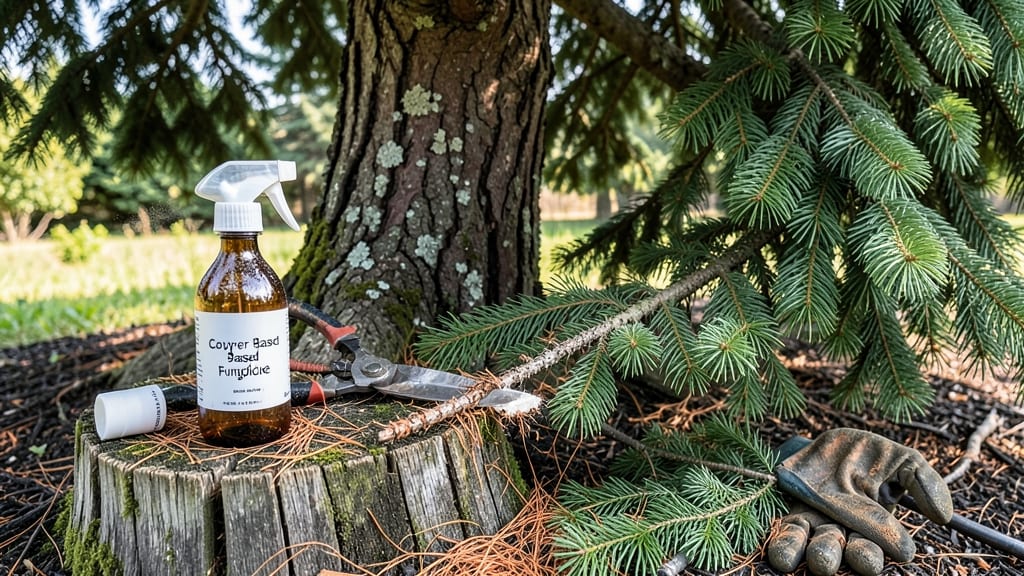
Those brown needles and oozing cankers on your evergreens might seem like a lost cause, but evergreen tree diseases treatment is often simpler than you think—especially when you catch the problem early. 🌲 I’ve treated everything from needle blight to spider mites on my own evergreens—and once you spot the symptoms early, you can save them without losing the tree.
The key is acting fast with the right mix of pruning and targeted fungicides.
Most evergreen diseases start with stress—too much water, poor airflow, or weak roots from compacted soil. I learned the hard way when my arborvitae turned brown overnight after a summer of soggy roots.
The good news? Once you identify the issue (and I’ll show you how), you can prune out infected branches and apply the right treatment before it spreads.
You’ll walk away knowing exactly which fungicide to use for fungal issues and how to spot spider mite damage before it takes over. My trees now stay vibrant year-round, and the treatments are simple enough for anyone with basic gardening tools.
Let’s get those needles back to their rich, healthy green.
Whether you’re dealing with a single branch or a full tree, this approach works for junipers, pines, and spruces alike. The secret? Catching it early and treating it right—no guesswork. Ready to bring your evergreens back to life?
Root Causes of Evergreen Tree Illnesses
Evergreen trees, with their lush foliage and year-round greenery, are prized for their resilience—but even they aren’t immune to disease. Understanding why these issues arise is the first step to prevention and treatment.
Below, we break down the key factors that weaken evergreens, making them susceptible to fungal infections, pests, and decay.
Fungi are the primary culprits behind most evergreen tree diseases. These microscopic organisms thrive in moist, shaded environments and exploit weakened trees through natural openings like wounds, bark cracks, or even stomata (pores on leaves). Some of the most aggressive fungal pathogens include:
- Phytophthora root rot – Spreads through waterlogged soil, blocking nutrient uptake and causing yellowing needles.
- Armillaria (honey fungus) – Invades roots and bark, creating shelf-like growths and stunting growth.
- Needle cast fungi (e.g., Lophodermium) – Targets needles, leading to premature drop and a "bald" appearance.
Why it happens: Fungi release enzymes that break down cell walls, disrupting the tree’s vascular system. Overwatering, poor drainage, or stress from drought can accelerate fungal colonization by creating ideal conditions.
Insects like bark beetles, spider mites, and sawflies don’t just feed on evergreens—they compromise the tree’s immune system. Here’s how:
- Bark beetles bore into the phloem (inner bark), disrupting nutrient transport and creating entry points for fungi.
- Spider mites suck sap, causing needle discoloration and stress that makes trees vulnerable to secondary infections.
- Sawfly larvae defoliate branches, reducing photosynthesis and leaving trees energy-depleted.
Why it happens: Pests thrive when trees are already stressed (e.g., from drought, poor soil, or compacted roots). A single infestation can trigger a cascade of diseases by lowering the tree’s ability to resist pathogens.
Evergreens rely on consistent moisture and stable conditions to stay healthy. When these factors shift, diseases exploit the chaos:
| Stressor | How It Weakens Trees | Disease Risk |
|---|---|---|
| 💧 Overwatering | Saturates roots, suffocating them and inviting Phytophthora. | Root rot, needle blight |
| ☀️ Drought | Dries out foliage, making needles brittle and prone to Lophodermium. | Needle cast, tip blight |
| 🌬️ Poor Air Circulation | Traps humidity, creating fungal-friendly microclimates. | Armillaria, powdery mildew |
| 🔥 Physical Damage | Wounds from pruning, storms, or machinery let pathogens in. | Canker diseases, wood decay |
Why it happens: Stress disrupts the tree’s cuticle (protective wax layer) and root-mycorrhizal relationships, making it harder to fend off invaders. For example, a drought-stressed pine may drop needles prematurely, exposing fresh growth to fungal spores.
Healthy soil is the foundation of a disease-resistant evergreen. When nutrients are lacking or toxic, trees become metabolically compromised:
- Compacted or waterlogged soil – Restricts oxygen, leading to anaerobic conditions where root-rotting fungi thrive.
- Nitrogen deficiency – Causes pale needles, weakening the tree’s ability to produce defensive compounds.
- Alkaline soil (high pH) – Locks out essential micronutrients like iron and manganese, stunting growth.
- Excess salt (from de-icing or poor irrigation) – Burns root tips, making trees susceptible to Phytophthora.
Why it happens: Poor soil chemistry disrupts root exudates—natural chemicals trees release to repel pathogens. Without these defenses, opportunistic fungi and bacteria move in.
Incorrect pruning doesn’t just harm trees—it invites diseases by:
- 🔪 Creating jagged cuts – Slow-healing wounds become entry points for canker fungi.
- 🌿 Removing too much foliage – Reduces photosynthesis, stressing the tree.
- 🕳️ Leaving stubs – Traps moisture, promoting fungal growth at the cut site.
Why it happens: Trees heal pruning wounds by forming callus tissue. If cuts are too large or improperly made, the wound remains open for weeks or months, giving pathogens a foothold.
Fixing Evergreen Tree Diseases Step-by-Step
Now that you know the common causes of evergreen tree diseases, let’s tackle the solutions—practical, targeted, and easy to follow. Whether your tree is battling fungal infections, pest invasions, or environmental stress, these steps will help you restore its health. Remember, early action is key! 🌿💪
Fungal diseases like needle blight, root rot, or canker thrive in damp, crowded conditions. Here’s how to stop them in their tracks:
🔪 Prune Infected Branches 1. Identify the problem areas – Look for discolored, wilting, or dead branches, as well as fungal growth (moldy spots, sawdust-like residue). 2. Use sterilized tools – Clean pruners with rubbing alcohol or a 10% bleach solution to prevent spreading spores.
- Cut 6–12 inches below the infection – Fungi can lurk beneath the surface, so don’t just trim the visible damage.
- Dispose of infected branches properly – Bag and trash them (don’t compost) to avoid reinfection.
🧴 Apply Targeted Fungicides
- For needle diseases (e.g., Rhizosphaera needle cast):
- Spray with copper fungicides (like Copper Sulfate) in early spring before new growth appears.
- Follow up with propiconazole or myclobutanil (synthetic fungicides) every 2–4 weeks during wet seasons.
- For root rot (Phytophthora, Armillaria):
- Soil drenches with phosphite fungicides (e.g., Aliette) can help systemic resistance.
- Improve drainage by amending soil with compost and avoiding overwatering.
🌡️ Adjust Growing Conditions - Space trees properly – Poor airflow = fungal paradise.
Thin out dense branches. - Water at the base – Avoid wetting foliage, especially in the evening (fungi love moisture overnight). - Mulch correctly – Use 2–4 inches of organic mulch (wood chips) but keep it 6 inches away from the trunk to prevent rot.
Pests like aphids, bark beetles, or spider mites weaken evergreens by sucking sap or burrowing into bark. Here’s how to evict them:
🕵️♂️ Monitor and Trap
- Sticky traps – Hang yellow or blue traps near the tree to catch flying pests (e.g., bark beetles).
- Inspect bark – Look for sawdust-like frass (beetle droppings) or webbing (spider mites).
Scrape a small area to check for larvae. - Hose down foliage – A strong spray can knock off aphids and mites (do this in the early morning to avoid sunburn).
💦 Use Natural or Chemical Controls
| Pest | Solution | When to Apply |
|---|---|---|
| Aphids | Neem oil spray or insecticidal soap | Spring & summer, every 7–10 days |
| Bark Beetles | Pheromone traps or permethrin spray (for severe infestations) | Late spring to early fall |
| Spider Mites | Horticultural oil or miticide (e.g., Abamectin) | Dry periods, repeat as needed |
🌿 Strengthen Tree Defenses
- Fertilize with nitrogen – Healthy trees resist pests better. Use a slow-release, organic fertilizer in early spring.
- Encourage beneficial insects – Ladybugs and lacewings eat aphids! Plant dill, fennel, or marigolds nearby.
- Avoid over-fertilizing – Too much nitrogen attracts pests like aphids.
Drought, poor soil, or extreme temperatures stress evergreens, making them susceptible to disease. Here’s how to revive them:
💧 Watering Right - Deep watering – Water slowly and deeply (1–2 inches per week) rather than shallowly.
Use a soaker hose for efficiency. - Morning watering – Wet foliage dries faster, reducing fungal risk. - Check soil moisture – Stick your finger 3 inches deep; if dry, it’s time to water.
🌱 Soil and Mulch Adjustments - Test soil pH – Evergreens prefer slightly acidic soil (pH 5.0–6.5).
Amend with sulfur if too alkaline or lime if too acidic. - Aerate compacted soil – Use a garden fork to loosen soil around roots if drainage is poor. - Top-dress with compost – Spread 2–3 inches of compost annually to improve nutrient uptake.
🌡️ Protect from Extreme Conditions
- Winter burn prevention – Apply an anti-desiccant spray (like Wilt-Pruf) in late fall to retain moisture.
- Shade cloth – Use light shade cloth (30–50%) in hot summers to prevent sun scorch.
- Windbreaks – Plant a hedge or use burlap screens if your tree is exposed to harsh winds.
✨ Preventative sprays – Apply copper fungicide or neem oil in early spring as a shield against future infections. 🔥 Sanitize tools – Always clean pruners between trees to avoid cross-contamination. 🎯 Monitor year-round – Check your tree monthly for early signs of trouble. 🌡️ Know your tree’s needs – Research your specific evergreen (e.g., pine, spruce, cedar) for tailored care.
By following these targeted fixes, your evergreen can bounce back stronger than ever. Act fast, stay consistent, and give your tree the best shot at recovery! 🌲🚀
Frequently asked questions
Can I use household vinegar as a natural fungicide for evergreen trees?
While vinegar can kill some fungi, it’s not ideal for evergreens. A 1:1 vinegar-water mix may harm the tree’s bark and disrupt beneficial soil microbes. Instead, use copper fungicides or neem oil—both are safer for foliage and target pathogens effectively without damaging the tree.
How do I tell if my evergreen’s brown needles are from disease or winter burn?
Check the needle tips: disease often causes brown spots or bands along the needle, while winter burn turns tips uniformly brown without spotting. Also, disease may spread to multiple branches, whereas winter burn usually affects sun-exposed areas only. Test with a fingernail—scratch a needle; if it’s brittle, it’s likely burn.
Is it safe to prune evergreens during rainy seasons?
Pruning during wet weather can spread fungal spores faster. Wait for dry conditions, then sterilize your tools with rubbing alcohol to prevent contamination. If pruning is urgent, do it in the morning so wounds dry quickly. Always make clean cuts 6-12 inches below infected areas to stop disease spread.
When should I call an arborist instead of treating myself?
Consult an arborist if you see oozing cankers, large fungal growths on bark, or if 50%+ of the tree is dead. These signs may indicate advanced diseases like Armillaria root rot that require professional intervention. Early-stage issues (like needle blight) can often be managed with DIY treatments, but severe cases need expert care.