
Trees
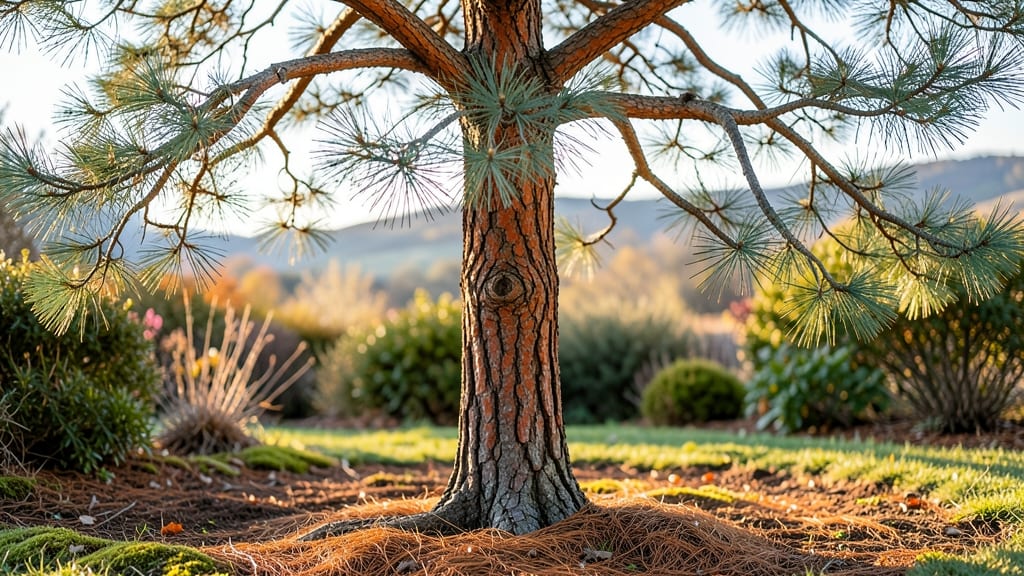
Evergreen trees with sparse branches create dramatic year-round structure in open gardens. 🌲 I fell in love with their airy elegance after planting a Scots pine near my patio—its open canopy lets light dance through while still providing shelter.
These trees thrive in modern, minimalist, or natural landscapes where clean lines and negative space matter. The right placement makes all the difference. Position them as focal points near pathways, where their branches frame views without overwhelming the space.
Pair them with low-growing perennials like sedum or ornamental grasses to fill the open areas beneath their canopy. You’ll end up with a garden that feels both structured and effortlessly natural.
The contrast between their open branches and dense shrubs creates visual interest, while their evergreen foliage adds warmth in winter. Works beautifully in both rural and urban settings. Let’s explore how to choose the perfect tree for your space!
The Hidden Causes Behind Thin Canopies
If your evergreen tree looks more like a lanky twig than a lush, leafy beauty, don’t panic—there’s always a reason behind its sparse branches. Understanding these causes is the first step to restoring its full, verdant glory.
Let’s break down the most common culprits, backed by science, so you can diagnose and fix the issue with confidence.
Evergreens thrive when their roots have access to essential nutrients, but nutrient-deficient soil can stunt growth and lead to sparse branching. The most critical nutrients for evergreens include:
- Nitrogen (N): Fuels new growth and leaf production. A deficiency causes yellowing needles and slow branching.
- Phosphorus (P): Supports root development and energy transfer. Without it, your tree may struggle to establish new branches.
- Potassium (K): Strengthens cell walls and improves drought resistance. Low potassium can weaken branches, making them more prone to breakage.
- Micronutrients (Iron, Zinc, Manganese): Even small deficiencies can cause stunted growth and sparse foliage.
💡 Pro Tip: Test your soil’s pH and nutrient levels—most evergreens prefer slightly acidic soil (pH 5.0–6.5). If levels are low, amend the soil with organic matter like compost or use a balanced, slow-release fertilizer formulated for evergreens.
While evergreens are known for their resilience, extreme sun or wind stress can take a toll, leading to sparse branching. Here’s how:
- Too Much Sun: Intense sunlight can scorch needles, causing them to brown and drop prematurely. This weakens the tree’s ability to produce new branches.
- Strong Winds: Chronic wind exposure can physically break or stunt branch growth, especially in young or flexible evergreens like pines or spruces. Wind also increases water loss, leading to drought stress.
🌡️ Actionable Fix: If your tree is in a windy or overly sunny spot, consider pruning nearby structures or installing a windbreak (like a fence or hedge) to shield it. For sunburn, provide afternoon shade during peak heat months.
Evergreens have deep root systems, but improper watering—whether overwatering or underwatering—can lead to sparse branches. Here’s why:
- Underwatering: Drought stress forces the tree to conserve water, slowing growth and causing needle drop. Roots may also suffocate if the soil is too dry, limiting nutrient uptake.
- Overwatering: Poor drainage or excessive water can drown roots, cutting off oxygen and nutrients. This leads to root rot, which weakens the tree’s ability to support new branches.
- Inconsistent Watering: Fluctuations in moisture stress the tree, causing it to prioritize survival over growth.
🔥 Step-by-Step Solution:
- Check soil moisture 1–2 inches deep—if it’s dry, water deeply until it drains.
- Ensure your tree has well-draining soil (amend with sand or gravel if needed).
- Avoid watering on a schedule; instead, water when the topsoil feels dry to the touch.
Pests like spider mites, bagworms, or bark beetles can defoliate branches, while diseases such as root rot or needle blight can weaken the tree’s structure. Here’s how to spot the damage:
| Pest/Disease | Signs of Infestation | Impact on Branches |
|---|---|---|
| Spider Mites | Fine webbing, yellow stippling on needles | Needle loss, stunted new growth |
| Bagworms | Small, brownish bags hanging from branches | Defoliation, weakened branch structure |
| Bark Beetles | Sawdust-like frass at the base, D-shaped holes | Branch dieback, tree decline |
| Root Rot (Fungal) | Mushrooms at the base, soft, mushy roots | Collapsed branches, poor nutrient uptake |
🎯 Prevention & Treatment:
- Inspect your tree regularly for early signs of pests or disease.
- Use neem oil or insecticidal soap for mites and bagworms.
- For fungal issues, improve drainage and avoid overwatering.
- In severe cases, consult an arborist for targeted treatments.
While pruning encourages fuller growth, aggressive or improper pruning can signal the tree to redirect energy toward survival rather than branching. Common mistakes include:
- Topping: Cutting the main stem or large branches back drastically encourages water sprouts (weak, vertical shoots) instead of healthy lateral branches.
- Over-Pruning: Removing more than 25% of the canopy in one season stresses the tree, leading to sparse regrowth.
- Wrong Time of Year: Pruning evergreens in late winter or early spring (when they’re dormant) is ideal. Summer pruning can stress the tree.
🔪 Correct Pruning Techniques:
- Remove only dead, diseased, or crossing branches.
- Use clean, sharp tools to make cuts just outside the branch collar.
- Avoid cutting into old wood—focus on new growth for fuller branches.
Now that you know the root causes, you’re equipped to diagnose and revive your evergreen’s sparse branches. The key is observation, patience, and targeted care—your tree’s lush future starts with understanding its present struggles.
Revive your tree’s fullness naturally
If your evergreen’s branches look more like a skeleton than a lush canopy, don’t despair—there’s still hope! The good news is that most sparse-branching issues can be reversed with targeted care.
Below, we’ve mapped out practical solutions based on the most common causes, plus prevention tips to keep your tree thriving for years. Let’s get growing!
If your tree’s branches are too sparse due to aggressive pruning, it’s likely struggling to regenerate. Evergreens rely on their foliage for photosynthesis, and over-trimming can starve them of energy.
How to Fix It:
🔥 🌿 Step Up the Care
- Water deeply 2–3 times per week (more in extreme heat) to help the tree recover. Use a soaker hose to avoid wetting the needles, which can cause fungal issues.
- Fertilize lightly with a slow-release, balanced fertilizer (10-10-10 or 20-20-20) in early spring. Avoid high-nitrogen fertilizers, which can burn roots.
🍳 🌿 Prune Strategically
- Skip heavy pruning for at least a year—let the tree focus on regrowth.
- If you must prune, remove only dead or diseased branches (use clean, sharp shears).
- Avoid topping (cutting back to stubs)—this encourages weak, sparse growth.
👨🍳 🌿 Mulch for Moisture Retention
- Apply 2–3 inches of organic mulch (wood chips or bark) around the base (keep it 6 inches away from the trunk).
- Mulch locks in moisture and improves soil health, helping the tree bounce back.
⏰ 🌿 Monitor for Recovery
- New growth should appear within 6–12 months. If not, the tree may need professional assessment for root or pest damage.
Too much sun, poor soil, or improper drainage can stress evergreens, leading to sparse foliage. Adjusting these factors can make a dramatic difference.
How to Fix It:
🌡️ 🌿 Adjust Sun Exposure
- If your tree is scorched (brown needles), it’s getting too much direct sun. Provide partial shade with a temporary shade cloth (30–50% coverage) during peak afternoon sun.
- If it’s wilting (needles drooping), it may need more sunlight. Gradually move it to a sunnier spot over a few weeks.
💡 🌿 Improve Soil Conditions
- Test your soil (a DIY kit from a garden center works). Evergreens prefer acidic to neutral soil (pH 5.0–7.0).
- Amend the soil with:
- Peat moss or pine fines (for acid-loving species like pines or spruces).
- Compost or aged manure (for general soil health).
- Ensure proper drainage: If water pools around the base, raise the planting area slightly or mix in perlite/sand.
🎯 🌿 Water Wisely
- Morning watering (before 10 AM) is best—it reduces evaporation and fungal risks.
- Check moisture by digging 2 inches down; soil should be damp but not soggy.
Sparse branches can signal an unseen battle—pests like spider mites, bagworms, or diseases like needle blight can drain a tree’s vitality. Act fast to restore health.
How to Fix It:
🔪 🌿 Identify the Problem
- Check for pests:
- Bagworms: Look for small, silk-covered bags on branches.
- Spider mites: Tiny webs on needles or undersides of leaves.
- Aphids/scale: Sticky residue (honeydew) on branches.
- Check for disease:
- Brown, crusty needles = fungal disease (e.g., needle cast).
- Yellowing needles = root rot or nutrient deficiency.
💡 🌿 Treat Infestations
- Manual removal:
- Bagworms: Handpick bags and drop them in soapy water.
- Spider mites: Spray with a strong water jet (knocks them off).
- Natural sprays:
- Neem oil (1 tsp per quart of water + dish soap) for mites and aphids.
- Bacillus thuringiensis (Bt) for caterpillars/bagworms.
- Fungal issues: Apply copper fungicide or baking soda spray (1 tbsp baking soda + 1 quart water + a drop of soap).
✨ 🌿 Strengthen Defenses
- Boost immunity with a seaweed-based fertilizer (rich in growth hormones).
- Encourage beneficial insects (ladybugs, lacewings) by planting companion flowers like marigolds or alyssum nearby.
Older trees or those with damaged roots may naturally produce fewer branches. While you can’t reverse age, you can optimize their health to encourage fuller growth.
How to Fix It:
📊 🌿 Support Root Health
- Aerate compacted soil with a garden fork to improve oxygen flow.
- Avoid root damage: Keep heavy equipment and foot traffic away from the base.
💪 🌿 Stimulate New Growth
- Apply a root stimulator (like liquid seaweed or mycorrhizal fungi) to encourage stronger root systems.
- Top-dress with compost annually to feed the roots gradually.
🍎 🌿 Choose the Right Species
- If your tree is genetically sparse (some varieties like Pinus mugo stay bushy but low), consider grafting or planting a fuller variety (e.g., Thuja occidentalis ‘Smaragd’ for dense growth).
Once your tree is back on track, keep it lush with these proactive steps:
- ✅ Prune in late winter/early spring (avoid summer pruning, which stresses evergreens).
- ✅ Mulch annually to retain moisture and regulate soil temperature.
- ✅ Monitor for pests monthly—early detection = easier fixes.
- ✅ Water deeply but infrequently (encourages deep root growth).
- ✅ Avoid transplant shock—if moving your tree, do it in fall or early spring and water thoroughly after.
With patience and the right care, your evergreen can go from sparse to stunning in no time. 🌲✨ Ready to roll up your sleeves and bring it back to life?
Frequently asked questions
What are the best evergreen trees for modern minimalist gardens?
For sleek, contemporary spaces, consider Chamaecyparis lawsoniana (Lawson cypress) with its graceful, airy branches or Pinus sylvestris (Scots pine) for its elegant, open canopy. Both thrive in open areas and complement minimalist designs beautifully. Their natural shapes create visual interest without overwhelming smaller spaces.
How do I choose the right location for an evergreen with sparse branches?
Position your tree where it can become a focal point—near pathways, patios, or entryways. Avoid crowded areas where branches might get damaged. For maximum impact, plant it where its open structure can frame views or highlight architectural features. Ensure it gets 4-6 hours of sunlight daily for optimal growth.
Can I grow these trees in containers?
Yes! Many evergreens with sparse branches thrive in large containers, making them perfect for patios or small yards. Use well-draining soil and a pot with drainage holes. Choose dwarf varieties like Pinus mugo (mugo pine) or Thuja occidentalis ‘Smaragd’ for container gardening. Remember to water consistently and fertilize lightly in spring.
What plants pair well with evergreens that have sparse branches?
Low-growing perennials like sedum, heuchera, or ornamental grasses create stunning contrasts. For height variation, add Juniperus (juniper) or Ilex (holly) shrubs. These combinations fill the open spaces beneath while maintaining the airy, elegant look of your evergreen.
Are these trees suitable for urban environments?
Many evergreens with sparse branches are pollution-tolerant and adapt well to city conditions. Choose varieties like Picea glauca (white spruce) or Chamaecyparis pisifera (sawara cypress), which handle urban stress better than others. Just ensure they get adequate water and protection from harsh winds.