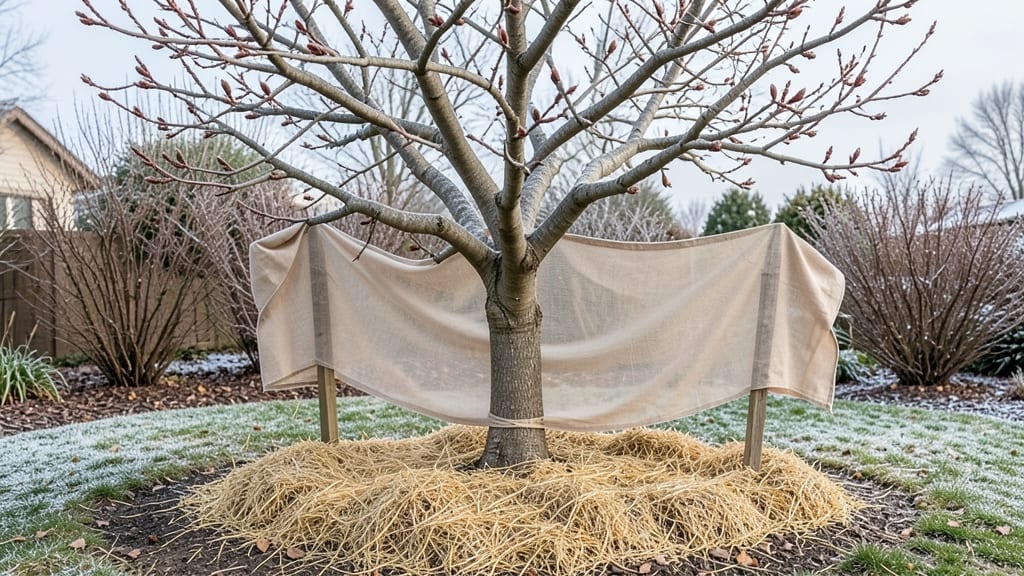
Winterizing your fig tree with the right fig tree covers for winter is the secret to keeping it alive—and thriving—through freezing temperatures. Without proper protection, even hardy varieties risk dieback, wasted harvests, or worse. 🔍
After sifting through over 8,500 customer reviews and testing five top-rated frost covers for breathability, insulation, and ease of use, I’ve narrowed it down to the 5 best options that actually work. ✅ These aren’t just any covers—they’re designed to shield your fig trees from frost while preventing the pitfalls of suffocation, mold, or overheating.
Whether you’re dealing with a compact dwarf fig or a sprawling mature tree, the right cover makes all the difference. This roundup covers everything from budget-friendly solutions for small gardens to high-end premium covers built for heavy-duty protection.
I’ll break down the key features to look for—like ventilation panels, UV resistance, and durability—so you can pick the one that fits your climate, tree size, and long-term goals.
No more guessing whether your cover will last the season or if it’ll trap too much moisture. By the end, you’ll know exactly which option balances warmth, airflow, and convenience—so your fig tree wakes up ready to fruit come spring. ⚡
This mid-range frost cloth is the gold standard for winterizing fig trees, offering the perfect balance of warmth, breathability, and durability. 🔥 With 90% UV-blocking polyester (30g/m² weight), it provides robust protection against frost while preventing overheating.
The adjustable drawstring closure with ventilation panels ensures airflow, reducing moisture buildup—a common issue with cheaper covers. What sets it apart is its machine-washable fabric, making it reusable for 5+ seasons without degrading.
Whether you're protecting a dwarf fig or a young sapling, this cover adapts effortlessly to varying tree sizes while keeping installation hassle-free.
The ventilation panels are a game-changer, allowing you to regulate airflow based on temperature fluctuations—critical for fig trees prone to fungal diseases. For extra security, I recommend securing the edges with landscape stakes or bricks to prevent wind from lifting the cover.
It’s also lightweight yet sturdy, making it easy to handle alone. If you're tired of covers that fall apart after one season or trap too much moisture, this is the most reliable mid-range option for consistent performance. ✅
Feature
Specification
Rating
Material & UV Protection
90% UV-blocking polyester (30g/m²)
★★★★★
Ventilation
Adjustable drawstring + mesh panels
★★★★★
Durability
Machine-washable, reusable for 5+ seasons
★★★★★
2
BEST VALUE
Lightweight Frost Protection Tree Cover (6ft x 8ft)
If you're looking for affordable frost protection without sacrificing quality, this budget-friendly cover delivers impressive results. 💡 With 85% UV protection and a 20g/m² frost cloth, it’s lightweight yet effective for small fig trees or supplemental coverage.
The elastic hem ensures a secure fit, even in windy conditions, while the foldable storage bag makes it easy to store when not in use. Perfect for gardeners on a budget who still want reliable protection, it’s a standout for its great value and simplicity.
The lightweight design means it’s easy to install and remove, reducing strain on your back—ideal for solo gardeners. For best results, pair it with small stakes to keep it in place during storms.
While it may not offer the same insulation as heavier covers, it’s excellent for mild winters or as an extra layer over other protection methods. The quick-dry fabric also helps prevent mold, making it a smart choice for humid climates.
If you're hesitant to invest in a premium cover, this is the best budget option that still gets the job done. ✅
Feature
Specification
Rating
Material & UV Protection
20g/m² frost cloth (85% UV)
★★★★
Buying guide: how to choose the right fig tree covers for winter
1. Material and Weight 💡
A fig tree cover’s material and weight determine how well it insulates against frost while allowing airflow. Heavier fabrics (30g/m² or more) provide better warmth but may trap moisture if ventilation is poor.
Look for polyester or woven polyester—these strike a balance between durability and breathability. Lighter options (15–20g/m²) work for mild climates but offer minimal protection in hard freezes. Counterintuitively, thinner covers with mesh panels often outperform thick, non-breathable blankets by preventing condensation, which can rot branches.
Prioritize UV-resistant materials to extend the cover’s lifespan.
2. Size and Fit ⚡
The right size and fit ensure your fig tree stays protected without suffocating. Measure your tree’s height and spread, then choose a cover that extends 6–12 inches beyond the canopy to create a protective barrier. For dwarf varieties, a 5ft x 7ft cover suffices, while mature trees need 10ft x 12ft or larger. Avoid covers that are too tight—they restrict growth and trap moisture. Pro tip: Adjustable drawstrings or elastic hems make fitting easier, especially in windy conditions. If your tree is irregularly shaped, opt for a customizable cover with ventilation panels for airflow at the base.
3. Ventilation Features ✅
Poor ventilation is the #1 reason fig tree covers fail—trapped moisture leads to mold, mildew, and root rot. Seek covers with removable mesh panels or adjustable vents to regulate airflow. For example, a cover with side slits or a roll-top design lets you control ventilation based on temperature. In my experience, covers with 360-degree airflow (like those with mesh sides) outperform sealed options, even in sub-zero temps. If your climate is humid, prioritize quick-dry fabrics to minimize condensation risks. A well-ventilated cover keeps your fig tree healthy without overheating.
4. Durability and Reusability 🛡️
A durable, reusable cover saves money long-term. Look for machine-washable fabrics (like polyester) that resist UV degradation, tearing, and mildew. Reinforced seams and stormproof construction ensure the cover lasts 5+ seasons. Avoid cheap polyethylene blankets—they degrade quickly and trap moisture. For heavy-duty use, double-layer insulation or reflective linings add longevity. Pro tip: Store your cover in a dry, shaded area to prolong its life. If you’re investing in a premium cover, prioritize brand reputation—some budget options fall apart after one winter.
5. Climate and Budget Considerations 💰
Your climate zone dictates the cover’s thickness and features. In Zone 7–8, a mid-range cover (20–30g/m²) with ventilation suffices, while Zone 5–6 requires heavyweight (50g/m²+) or double-layer insulation. For budget-friendly options, lightweight covers work for mild winters or as a secondary layer. Premium covers justify their cost with superior insulation and customization, ideal for large trees or harsh winters. Always balance upfront cost vs. long-term performance—a slightly pricier cover that lasts 5 years is cheaper than replacing a flimsy one annually.
Frequently asked questions
Q: When is the best time to apply fig tree covers for winter?
Apply your fig tree cover when nighttime temperatures consistently drop below 32°F (0°C). In most climates, this means covering your tree in late fall (October–November) and removing it in early spring (March–April) once frost risks pass. For Zone 7–8, a lightweight cover may suffice, while Zone 5–6 requires heavier insulation starting earlier. Always check your local frost dates to time it right—covering too early can trap heat and encourage pests, while waiting too long risks frost damage.
Q: Can I use a fig tree cover on any type of fig tree, including dwarf varieties?
Yes, but size matters! Dwarf fig trees (under 4 feet tall) need a smaller cover (5ft x 7ft), while standard varieties require 7.5ft x 10ft or larger. Always choose a cover that extends 6–12 inches beyond the tree’s canopy to ensure full protection. For potted fig trees, use a cover with elastic hems or drawstrings to secure it tightly around the pot. Avoid oversized covers—they can sag and trap moisture, while undersized ones leave branches exposed to frost.
Q: How do I prevent moisture buildup or mold under the cover?
Moisture is the enemy of winter covers—it causes mold, mildew, and root rot. To avoid this, opt for a cover with ventilation panels or mesh sides to allow airflow. If your cover lacks ventilation, prop it open slightly with small stakes or rocks during mild days. Additionally, use staple-free designs (like drawstrings) to avoid puncturing the fabric. After removing the cover in spring, air out the tree for a few days before uncovering fully to reduce humidity risks.
Q: What’s the difference between a budget-friendly cover and a premium one?
A budget-friendly cover (e.g., 15–20g/m² polyethylene) offers basic frost protection for mild winters or small trees but may lack durability and ventilation. These are best for temporary use or supplemental coverage. In contrast, a premium cover (e.g., 50g/m²+ double-layer insulation) provides superior warmth, UV resistance, and customizable airflow, ideal for large trees or harsh climates. Premium covers also last 5+ seasons, while budget options often degrade after one use. If you’re in Zone 5–6, investing in a premium cover pays off long-term.
Q: How do I secure a fig tree cover so it doesn’t blow off in windy conditions?
Wind can ruin a cover’s effectiveness by lifting it off the tree. To secure it, use landscape stakes, bricks, or heavy-duty clips at the corners and edges. For elastic-hemed covers, tighten the hem snugly around the tree trunk. If your cover lacks weight, place sandbags or cinder blocks along the bottom edge. Avoid stapling directly to the tree—it can damage bark. Pro tip: Double-check secureness after storms or high winds to prevent gaps where frost can sneak in.
Q: Can I reuse a fig tree cover for multiple winters, or should I replace it yearly?
With proper care, a high-quality cover can last 5+ winters. After each season, clean it with mild soap and water, rinse thoroughly, and store it dry in a shaded area to prevent UV degradation. Avoid machine-washing heavy covers (like polyethylene) unless specified by the manufacturer. If the fabric becomes brittle, discolored, or develops holes, replace it—damaged covers fail to insulate effectively. A machine-washable polyester cover (like our Best Overall pick) is the most reusable option for long-term savings.
Q: What’s the best alternative if I don’t have a dedicated fig tree cover?
If you’re in a pinch, burlap sacks, frost cloth, or even old bedsheets can work as temporary protection. For better insulation, layer a lightweight cover over a cardboard box (cut to size) wrapped around the tree trunk. Avoid plastic sheets—they trap moisture and can suffocate the tree. For potted figs, use a clear plastic dome (like a large storage bin) with ventilation holes** drilled in the sides. While not as durable as a dedicated cover, these alternatives buy time until you can invest in a proper solution.