
Pruning
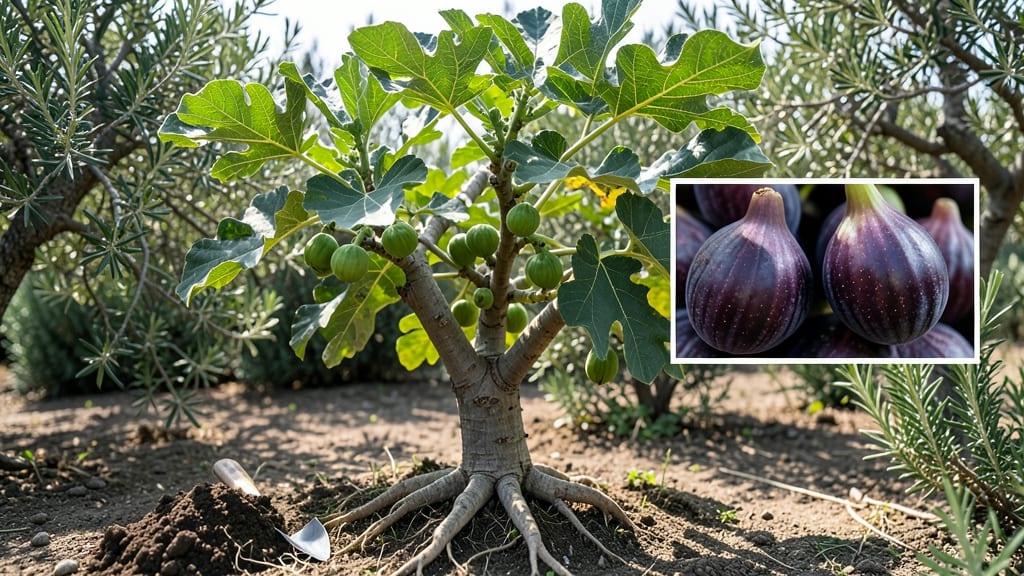
Your fig tree not fruiting isn’t personal—it’s usually a pruning mistake waiting to be fixed. 🌿 I’ve revived three fig trees that looked like leafy decorations by making just three targeted cuts, and you can too.
The key is understanding how figs really grow and what they need to shift energy from foliage to fruit.
Most gardeners over-prune in early spring, stripping away next year’s fruit buds without realizing it. Figs fruit on old wood—last year’s growth—so aggressive cuts send the tree into survival mode instead of production.
Even worse, too much shade or inconsistent watering tricks the tree into thinking it’s not mature enough to bear fruit. The good news? All three issues have simple fixes that work within one growing season.
Start with a late-winter pruning session (after the last frost) to open the canopy to sunlight and remove only dead or crossing branches. Then, adjust your watering to deep, infrequent soakings—figs hate wet feet but need consistent moisture.
Within 6-8 weeks, you’ll see new growth and fruit buds forming where you least expected them. The first harvest? Often earlier than you think.
This method works for both container figs and in-ground trees, though dwarf varieties may need slightly more frequent pruning. The secret weapon? Patience—figs reward careful pruning with years of reliable harvests, not just one lucky season. Let’s get those branches working for you.
Root Causes Behind Barren Figs
If your fig tree is throwing a tantrum by refusing to produce fruit, the issue likely stems from one (or more) of these common culprits. Understanding the science behind each can help you diagnose and fix the problem before it’s too late.
Let’s dig into why your fig tree might be playing hard to fruit!
Figs are sun-worshippers—they crave at least 6–8 hours of direct sunlight daily. When deprived, their energy shifts from fruit production to survival, leaving you with leafy branches but no figs.
- Why it happens: Photosynthesis, the process that fuels fruit development, slows in shade. Without enough light, the tree prioritizes leaf growth over reproductive energy.
- Actionable fix:
- Move potted figs to a sunnier spot or prune nearby trees/shrubs blocking light.
- For ground-planted trees, ensure no large structures (buildings, fences) cast long shadows.
- Pro tip: 🌡️ Southern exposure (in the Northern Hemisphere) is ideal—maximize sun exposure by trimming overhanging branches.
Figs hate extremes—too much or too little water sends them into a fruit-free panic. Their roots need consistent moisture to support blooming and fruiting.
| Issue | Why It Stops Fruiting | Fix It Now |
|---|---|---|
| Underwatering | Drought stress triggers abscission (premature fruit drop) and halts flower development. | Water deeply 1–2 times per week (more in heatwaves) and mulch to retain moisture. |
| Overwatering | Root rot suffocates the tree, diverting energy away from fruit production. | Ensure well-draining soil (sandy loam is best) and avoid soggy conditions. |
| Inconsistent watering | Fluctuating moisture confuses the tree’s metabolic cycles, delaying or preventing fruit set. | Stick to a regular schedule—drip irrigation works best for stability. |
Figs are tropical at heart—they thrive in warm climates (USDA Zones 8–11) and struggle when temperatures dip or fluctuate wildly. Cold snaps or late frosts can shock the tree into skipping fruiting entirely.
- Why it happens:
- Figs need consistent warmth (above 50°F/10°C) to initiate flowering.
- Late frosts (<32°F/0°C) can kill emerging figs or prevent pollination.
- In cooler zones, dormancy periods may disrupt the fruiting cycle.
- Actionable fix:
- Protect young trees with frost cloth or mulch heavily in winter.
- For container figs, move them indoors during cold snaps or use a greenhouse.
- Pro tip: 🌡️ If you’re in Zone 7 or colder, choose hardier varieties like ‘Chicago Hardy’ or ‘Celeste.’
A hungry fig tree won’t fruit—it’s as simple as that. Nitrogen, phosphorus, potassium, and micronutrients all play critical roles in fruit development. Poor soil or imbalances can leave your tree looking lush but barren.
- Key deficiencies to watch for:
- Nitrogen (N): Yellowing leaves (but still growing) = too little N for energy.
- Phosphorus (P): Stunted growth and no flowers = P deficiency.
- Potassium (K): Weak stems, brown leaf edges = K shortage, critical for fruit set.
- Calcium/Magnesium: Blossom-end rot or distorted figs = mineral imbalance.
- Actionable fix:
- Test your soil (pH 6.0–7.0 is ideal) and amend with compost or organic matter.
- Fertilize in early spring with a balanced 10-10-10 or fig-specific fertilizer (high in P/K).
- Pro tip: 💡 Avoid over-fertilizing with nitrogen—it promotes leaves over fruit! Use a low-N, high-P/K blend in fruiting season.
Here’s a wild fact: Figs rely on fig wasps for pollination—but only certain varieties need them! If your tree isn’t fruiting, it might be waiting for its tiny, buzzy partners.
- Why it happens:
- Caprifig varieties (like ‘Violette de Bordeaux’) require wasps to pollinate.
- Smylea figs (e.g., ‘Brown Turkey’) are self-pollinating but still benefit from wasp activity.
- Pesticides or lack of native wasps can block pollination, leading to empty figs.
- Actionable fix:
- Plant a caprifig nearby if you’re growing smylea figs (they attract wasps).
- Avoid broad-spectrum pesticides that kill wasps—opt for organic sprays instead.
- Pro tip: 🐝 If you’re in a wasp-poor area, hand-pollinate by gently shaking branches to disperse pollen.
Now that you’ve identified the likely culprit, the next step is pruning and care adjustments—but that’s a story for another section! 🌿
Revive Your Fig Tree’s Fruitfulness
If your fig tree is stubbornly refusing to produce fruit, don’t panic—there are practical fixes to coax those sweet rewards back. The key is identifying the root cause and applying the right solution.
Below, we’ve mapped out targeted fixes for common issues, along with prevention tips to keep your tree thriving.
---
Cause: Figs often need help with pollination, especially if bees are scarce or the tree is isolated.
How to Fix It: - 🐝 Hand-Pollinate: Use a soft paintbrush to transfer pollen from one flower to another (morning is best). - 🌿 Attract Pollinators: Plant bee-friendly flowers nearby (lavender, sunflowers, or marigolds work well). - 🌡️ Time It Right: Pollinate when flowers are fresh and open (usually early summer).
Prevention Tip: 💡 Keep your garden pesticide-free to protect pollinators year-round.
---
Cause: Overgrown or improperly pruned trees may divert energy away from fruiting.
How to Fix It: - 🔪 Prune in Late Winter: Cut back dead, diseased, or crossing branches to improve airflow. - 🌿 Shape for Sunlight: Thin out dense foliage so light reaches inner branches (figs need 6+ hours of sun). - 🍃 Encourage New Growth: Trim back overzealous shoots to balance energy between leaves and fruit.
Prevention Tip: ✨ Prune annually to maintain an open canopy—this prevents future fruiting issues.
---
Cause: Too much or too little water can stress the tree, reducing fruit production.
How to Fix It: - 💦 Water Deeply but Less Often: Figs hate soggy roots—water deeply 1-2 times per week (adjust for climate). - 🌱 Amend the Soil: Mix in compost or well-rotted manure to improve drainage and fertility. - ☀️ Mulch Properly: Use organic mulch (straw or wood chips) to retain moisture and regulate soil temp.
Prevention Tip: 🎯 Test soil pH (ideal: 6.0–6.5) and adjust with lime or sulfur if needed.
---
Cause: Poor soil nutrition can lead to weak growth and no fruit.
How to Fix It: - 📊 Use a Balanced Fertilizer: Apply a 10-10-10 or 6-6-6 formula in early spring and again after harvest. - 🍃 Avoid Over-Fertilizing: Too much nitrogen = lush leaves, no fruit. Stick to moderate doses. - 🥗 Organic Boost: Try fish emulsion or banana peel tea for a potassium-rich treat.
Prevention Tip: 💪 Stop fertilizing 6–8 weeks before harvest to avoid bitter fruit.
--- Final Note: Patience is key—fig trees can take 1–3 years to rebound after stress. Monitor progress and adjust as needed! 🍇
Frequently asked questions about fig trees not producing fruit
Why does my fig tree have leaves but no fruit?
Fig trees prioritize leaf growth when stressed. Common causes include insufficient sunlight (they need 6-8 hours daily), improper pruning (cutting back old wood where fruit buds form), or nutrient imbalances. Check for yellowing leaves (nitrogen deficiency) or weak stems (potassium shortage) to pinpoint the issue.
Can I force my fig tree to fruit faster?
No, but you can accelerate recovery by addressing key needs: Move to full sun, prune to improve airflow, and fertilize with phosphorus-rich (like bone meal) in early spring. For container figs, ensure the pot isn’t root-bound—transplant if needed. Results typically appear within 6-8 weeks of proper care.
Will pruning help if my fig tree isn’t fruiting?
Prune in late winter to remove dead/diseased branches and thin dense areas. Focus on opening the canopy to maximize sunlight—figs fruit on old wood, so avoid heavy cuts. For container figs, prune to encourage bushier growth, which often leads to more fruit buds.
How do I know if my fig tree needs more sun?
Check for long, leggy growth or leaves stretching toward light—clear signs of sun deprivation. Move potted figs to a south-facing spot (Northern Hemisphere) or trim nearby shade sources. Ground-planted trees need no tall structures blocking light for 6+ hours daily.
Are there fig varieties that fruit more reliably?
Yes! For cooler climates, try ‘Chicago Hardy’ or ‘Celeste’—both tolerate Zone 5-7 with winter protection. Warmer zones? ‘Brown Turkey’ or ‘Celeste’ produce abundantly. Dwarf varieties like ‘Little Miss Figgy’ are great for containers and fruit consistently when cared for properly.