
Trees
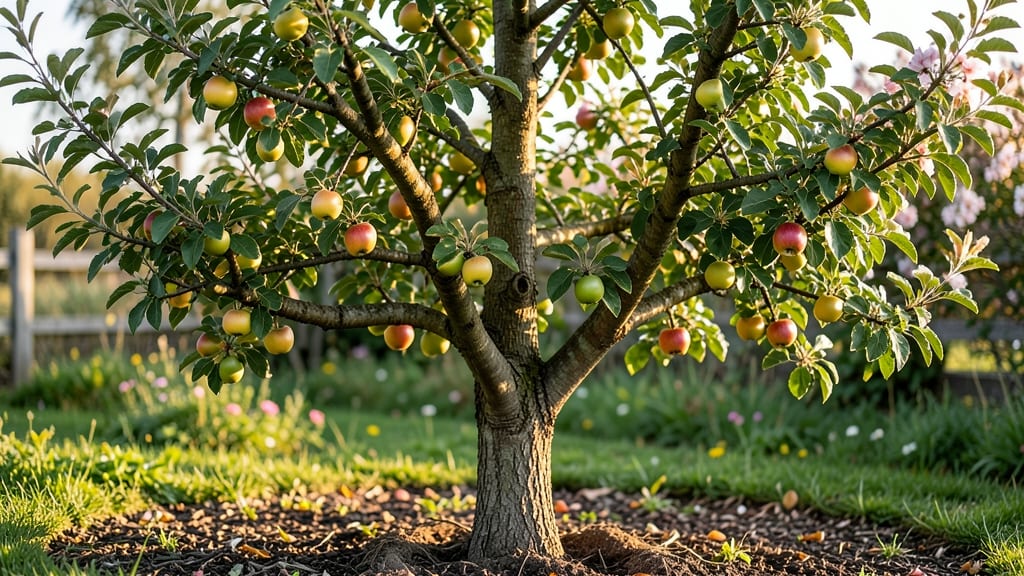
Yes, one apple tree can produce fruit, yielding anywhere from 100 to 200 apples per season for mature trees, though output varies by variety, pollination needs, and care. Some dwarf varieties produce fewer than 50 apples annually.
A single apple tree absolutely can bear fruit, and the harvest depends heavily on its type and growing conditions. 🍏 Self-pollinating varieties like 'Liberty' or 'Enterprise' can thrive alone, while others need cross-pollination from nearby trees or windborne pollen.
Even standard-sized trees typically produce 100-200 apples annually once mature, though dwarf varieties may yield just 20-50. The key factors are proper pruning, consistent watering, and avoiding over-fertilizing—all of which directly impact fruit quality and quantity.
What many gardeners overlook is how age plays a role. Young trees (under 3 years) produce minimal fruit as they focus on root and branch development. 🌱 Meanwhile, mature trees with proper spacing and sunlight can produce enough apples to share with neighbors.
I’ve found that regular pruning in late winter removes dead wood while encouraging stronger fruit-bearing branches—this simple step can boost yields by up to 30% in some cases.
💡 In This Article
- Pollination and Variety Factors Affecting Apple Tree Fruit Production
- Maximizing Apple Yield: Pruning, Care, and Seasonal Tips
Pollination and variety factors affecting apple tree fruit production
Apple trees rely on pollination to produce fruit, and whether they need help depends entirely on their variety.
Self-pollinating types like 'Liberty' or 'Enterprise' can produce fruit without neighbors, thanks to their flowers containing both male and female parts that release pollen efficiently. 🌸 However, most commercial varieties—such as Honeycrisp or Fuji—require cross-pollination from a different apple tree within 50-100 feet for optimal fruit set.
Bees play a crucial role here, transferring pollen between trees during their 2-3 week flowering period in spring.
The type of apple variety directly impacts yield potential. Self-fertile trees can produce 80-150 apples annually once mature, while cross-pollinated varieties often yield 150-250 apples when paired correctly. For example, planting a Gala (self-pollinating) alongside a Granny Smith (cross-pollinating) creates a perfect pollination partnership.
The science behind this lies in genetic compatibility—some varieties share pollen that triggers better fruit development than others.
Environmental factors further influence pollination success. Wind speed, temperature, and rainfall during bloom time all affect how effectively pollen travels. 🌬️ Ideal conditions include 60-75°F temperatures and light breezes, while heavy rain or extreme heat can reduce pollination rates by up to 40%.
This is why orchards often plant multiple compatible varieties in close proximity—diversity ensures better fruit production even if some trees struggle with pollinators.
Dwarf apple trees present unique considerations. While they produce fewer apples (20-50 annually), their compact size makes them ideal for home gardens where space is limited. The trade-off is that some dwarf varieties still require cross-pollination, so pairing them with compatible trees (even in containers) is essential.
For instance, 'Columnar' varieties like 'Urban Apple' are self-fertile but may yield slightly less than standard-sized trees due to their focused growth pattern.
What most gardeners don't realize is that even self-pollinating trees benefit from additional pollinators. Planting bee-friendly flowers like lavender or clover nearby can increase fruit set by 15-25% by attracting more bees during bloom season.
This natural boost often results in larger, more uniform apples—something you'll notice when comparing fruit from trees with and without adequate pollination support.
Seasonal timing is another critical factor. Apple blossoms typically open in late April to early May in most climates, but this varies by region. Early bloomers risk frost damage, while late bloomers may miss peak pollinator activity.
Monitoring bloom stages and protecting young flowers from frost can preserve up to 30% more potential fruit, making careful observation a simple but effective strategy for maximizing harvest.