
Pruning
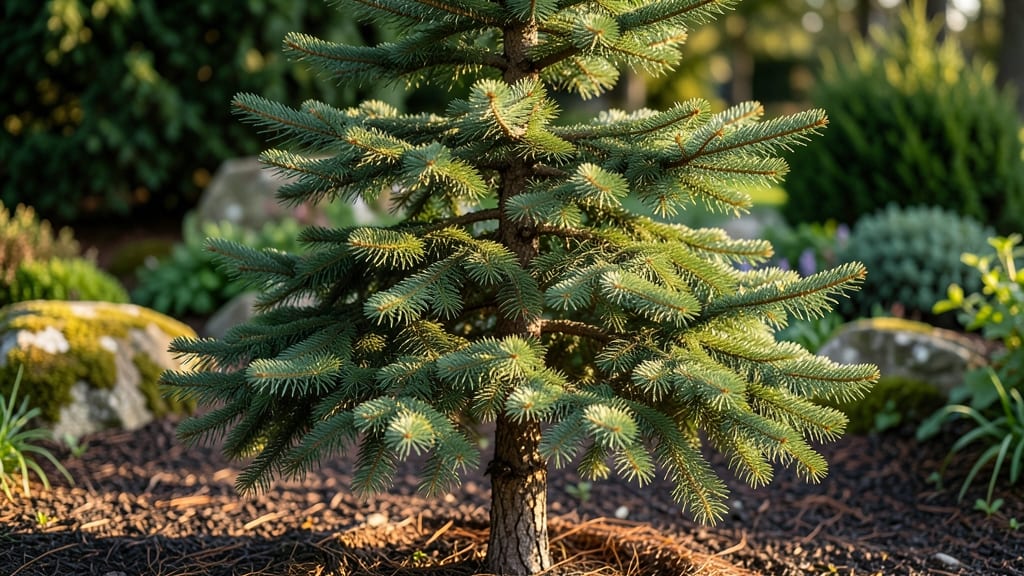
A fir tree pot brings that forest-fresh scent and evergreen elegance to any porch or patio—even in winter. 🌲 I’ve grown potted firs for years, and the secret isn’t just the right container, but how you mimic their natural mountain habitat in a pot.
Too many people drown their roots or starve them of light, and the needles turn brown before you know it.
Start with a 5-gallon or larger container (bigger is better for long-term health), well-draining soil mixed with perlite or sand, and a saucer to catch excess water.
Dwarf varieties like ‘Little Gem’ or ‘Teddy Bear’ stay manageable, but full-sized firs need at least 12 inches of depth—think of them as tiny forest giants in a pot. Place your fir where it gets morning sun and afternoon shade, especially in hot climates.
Water only when the top inch of soil feels dry—fir trees hate soggy roots but won’t survive drought either. In summer, mist the needles occasionally to keep them soft and vibrant.
The real magic happens in winter: wrap the pot in burlap or bubble wrap and move it to a sheltered spot to protect it from freezing winds. With the right care, your potted fir will stay lush for years, smelling like Christmas all season long.
If you’re in a colder zone, overwintering means moving the pot to an unheated garage or wrapping it tightly against frost. Avoid fertilizing in fall—fir trees go dormant, and too much food can stress them.
The key is patience: these trees grow slowly but reward you with decades of green beauty in a space where most plants would struggle.
📚 In This Guide
- What you need
- Instructions
- Tips and common mistakes
- Wrapping up and next steps
What you need
- ● Fir tree sapling or small tree: Choose a Picea (Norway spruce, Colorado blue spruce, etc.) with a mature height of 3–6 feet. Opt for a 1–3 gallon container-grown specimen for manageable pruning.
- ● High-quality potting mix: A well-draining blend like 50% peat moss or coconut coir + 30% perlite/pumice + 20% compost (10–15 gallons, depending on pot size).
- ● Container: A durable, weather-resistant pot (ceramic, fiberglass, or plastic) with drainage holes. Size: 18–24 inches in diameter (deeper for larger trees).
- ● Slow-release fertilizer: 10–10–10 NPK or organic options (follow label rates for application).
- ● Pruning tools: Bypass pruners (for small branches)
- ● Loppers (for thicker stems, up to 1-inch diameter)
- ● Hand saw (for stubborn branches)
- ● Mulch: 3–4 inches of bark mulch or pine needles to retain moisture and regulate temperature.
- ● Root stimulator: Mycorrhizal fungi or a gel to boost root growth.
- ● Tree support: A stake or spiral tie if your fir needs extra stability.
- ● Decorative elements: Gravel, moss, or decorative stones for a polished look.
- ● Watering can with a rose attachment: For gentle, even watering.
- ● Gloves & safety glasses: Protect your hands and eyes during pruning.
Step-by-step instructions for growing fir trees in containers
Here's how to create a stunning fir tree pot that thrives year-round.
🌱 Step 1: Select the Right Container and Drainage
Choose a container that's at least 18 inches deep and 12 inches wide to accommodate the fir tree's root system. I prefer containers made of breathable materials like terra cotta or cedar, which help regulate moisture and temperature. Ensure the container has drainage holes at the bottom to prevent waterlogging, which can harm the tree's roots.
If your chosen container doesn't have drainage holes, drill several evenly spaced holes in the bottom. Place a layer of 1-2 inches of gravel or broken pottery at the base of the container to create a drainage layer. This layer will help excess water flow out while keeping the soil in place.
🌿 Step 2: Prepare the Soil Mix for Optimal Growth
Fir trees prefer well-draining, acidic soil with a pH between 5.0 and 6.0. Mix 60% peat moss or pine bark fines with 30% perlite or coarse sand and 10% compost to create a loose, airy soil blend. This combination ensures the roots get the aeration they need while retaining enough moisture.
Fill the container about one-third full with your prepared soil mix. Tap the container gently on the table to settle the soil, but avoid compacting it too tightly. The goal is to create a loose, fluffy environment that encourages root growth. Leave enough room at the top for the tree's root ball.
🪴 Step 3: Plant the Fir Tree with Care
Remove the fir tree from its nursery container and gently loosen the roots if they appear tightly bound. This helps the roots spread out more easily in the new container. Position the tree in the center of the container, ensuring it stands upright and is at the same depth it was in the nursery pot.
Fill the remaining space around the root ball with your prepared soil mix, pressing it gently to remove air pockets. Water the tree thoroughly until water flows out of the drainage holes. This step ensures the soil settles around the roots and eliminates air gaps that could hinder growth.
☀️ Step 4: Position and Care for Your Fir Tree Pot
Place your fir tree pot in a location that receives partial shade, especially during the hottest part of the day. Fir trees appreciate protection from harsh afternoon sun, which can scorch their needles. A spot under a large tree or on a shaded patio works well, providing the ideal balance of light and shade.
Water your fir tree when the top 1-2 inches of soil feel dry to the touch. During the growing season (spring and summer), this typically means watering every 5-7 days. In winter, reduce watering to every 10-14 days, as the tree's growth slows down. Always water deeply to encourage strong root development.
✂️ Step 5: Maintain and Prune for Healthy Growth
Fir trees are generally low-maintenance, but occasional pruning helps maintain their shape and encourage bushier growth. Use clean, sharp pruning shears to trim any dead, diseased, or overgrown branches in early spring or late fall. Prune just above a healthy bud or branch to promote new growth.
Fertilize your fir tree once in early spring with a balanced, slow-release fertilizer formulated for acid-loving plants. Follow the package instructions for application rates. Avoid over-fertilizing, as this can lead to salt buildup in the soil and harm the tree. Mulch the surface of the soil with 2-3 inches of pine bark or wood chips to retain moisture and regulate soil temperature.
Tips & tricks for perfect fir tree pots
These little details make all the difference when growing a thriving fir tree in containers.
Container Material Matters: Terra cotta pots are my top choice because they breathe—literally. The porous material helps regulate moisture, preventing both root rot from overwatering and drying out too quickly. If you choose plastic, opt for one with built-in drainage holes and add extra gravel at the bottom to compensate for its less breathable nature. The 18-inch depth requirement isn't just arbitrary—fir trees need that space to develop strong root systems without becoming root-bound.
Soil Mix Secrets: That 60-30-10 ratio of peat moss/pine bark, perlite/sand, and compost is crucial for mimicking fir trees' natural acidic forest floor environment. Pro tip: Sift your soil mix before using it to remove any large chunks that could create air pockets around the roots. After filling the container one-third full, give the soil a gentle tap on the table to settle it properly—this prevents future sinking and compaction issues. The loose, fluffy texture is what allows those delicate fir roots to breathe and grow.
Planting Position Precision: When placing your fir tree in the container, aim for the top of the root ball to sit just below the container's rim. This ensures the tree stays stable while allowing room for the soil to settle slightly after watering. A common mistake is burying the trunk too deep, which can lead to stem rot. After planting, give the soil a final gentle press around the edges to eliminate any air pockets that could hinder root contact with the soil.
Winter Care Wisdom: As temperatures drop, reduce watering to every 10-14 days since fir trees go semi-dormant. The key is to keep the soil just slightly moist—not soggy. Move your container to a sheltered location if you experience freezing temperatures, as fir trees can't tolerate prolonged exposure to hard frosts. A covered porch or unheated garage works well for winter protection, just make sure it gets some natural light during the day.
Pro Tips for Fir Tree Pot
- These little details make all the difference when growing a thriving fir tree in containers.
- Container Material Matters: Terra cotta pots are my top choice because they breathe—literally.
- Soil Mix Secrets: That 60-30-10 ratio of peat moss/pine bark, perlite/sand, and compost is crucial for mimicking fir trees' natural acidic forest floor environment.
Frequently asked questions
Can fir trees grow well in pots long-term?
Yes! Many fir species—like Picea (spruce) or Abies (true firs)—thrive in containers for years if given the right care. Choose a large enough pot (at least 12–18 inches deep) with drainage holes, and repot every 2–3 years to refresh the soil. Dwarf varieties are ideal for small spaces!
How often should I water a fir tree in a pot?
Fir trees in pots dry out faster than in-ground plants. Water when the top inch of soil feels dry (usually every 5–7 days in summer, less in winter). Overwatering is riskier than underwatering—ensure excess water drains away to prevent root rot. Pro tip: Use a moisture meter for accuracy!
What’s the best soil mix for a fir tree pot?
Use a well-draining, acidic mix (pH 5.0–6.5). A blend of 50% peat moss or pine bark, 30% perlite, and 20% sand works well. Avoid heavy garden soil—it compacts and suffocates roots. Add a slow-release fertilizer in spring for extra nutrients.
Do fir trees in pots need winter protection?
Move pots to a sheltered, shaded spot (like a garage or under eaves) before temps drop below 20°F (-7°C). Wrap the pot in burlap and mulch the soil with pine straw to insulate roots. Evergreens lose moisture in winter—water sparingly but don’t let soil dry out completely.
What can I do if my fir tree’s needles turn brown?
Brown needles usually signal overwatering, underwatering, or stress. Check the soil moisture and adjust your watering routine. If the tips are brown but the needles stay attached, it’s likely winter burn—trim dead tips in spring. For sudden browning, inspect for pests (like spider mites) or fungal issues and treat accordingly.
Are there fir tree alternatives for smaller spaces?
If space is tight, consider dwarf conifers like Picea pungens ‘Glauca Globosa’ (blue spruce) or Chamaecyparis lawsoniana ‘Ellwoodii’. These stay under 3–4 feet tall and fit snugly in 10–12 inch pots. Miniature firs (e.g., Abies koreana) are also stunning in containers!
Wrapping up and next steps
Growing a fir tree in a pot isn’t just about adding greenery—it’s about embracing year-round elegance with minimal effort! Whether you’re a seasoned gardener or a beginner, this versatile evergreen brings texture, color, and charm to any space.
With the right fir tree pot, pruning know-how, and a little care, you’ll enjoy a lush, healthy plant that thrives indoors or out.
Ready to elevate your space? Start small—pick your pot, trim with confidence, and watch your fir tree flourish! 🌲✨ Next, why not explore creative ways to style your pot or learn how to overwinter your tree for long-term beauty?