
Container Gardens
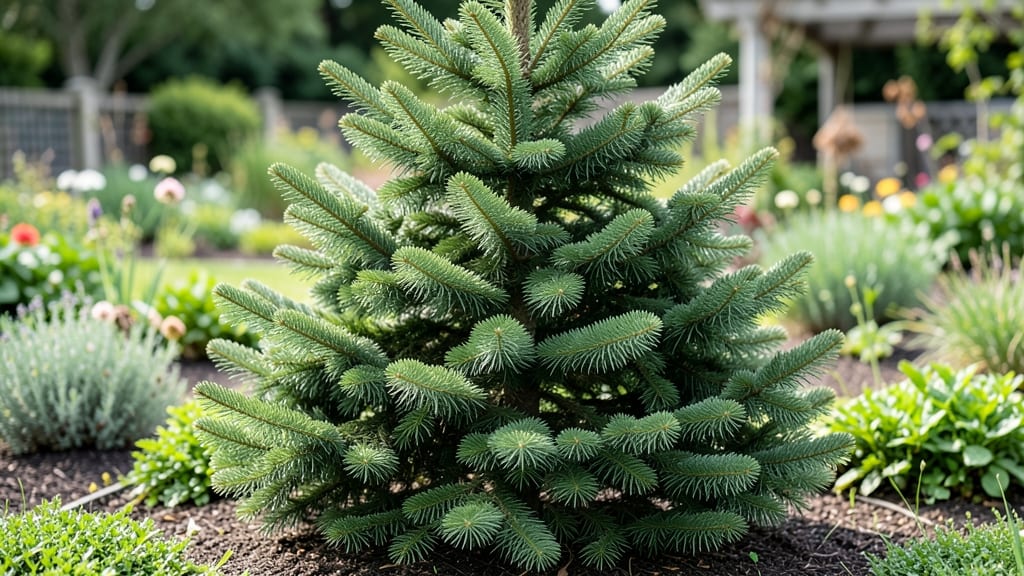
A potted fir tree brings forest freshness to your porch or patio year-round. 🌲 I've kept mine thriving for five winters by choosing the right species and container—dwarf varieties like Fraser fir or Colorado blue spruce stay compact enough for pots while still making a statement.
The secret is mimicking their natural habitat: well-draining soil with sand or perlite, a container with drainage holes, and regular watering that keeps roots moist but never soggy. Overwatering is the #1 killer of potted conifers—let the top inch dry between waterings in summer, less frequently in winter.
You'll get that classic evergreen beauty without the yard space, and with proper care, your potted fir can live for decades. The needle scent alone makes it worth the effort, plus they're perfect for adding holiday charm that lasts beyond December.
For overwintering, move to a sheltered spot and reduce watering—just enough to prevent the soil from drying completely. Most common issues (yellow needles, stunted growth) come from poor drainage or inconsistent moisture, so check your setup before blaming the tree.
📚 In This Guide
- What you need
- Instructions
- Tips and common mistakes
- Wrapping up and next steps
What you need
- ● Fir Tree Sapling: Choose a dwarf or container-friendly variety like Abies concolor 'Compacta' or Picea pungens 'Glauca Globosa'. Size: 1–3 feet tall (check local nurseries for potted options).
- ● Container: Minimum 12–18 inches deep and 18+ inches wide (for mature growth).
- ● Material: Terracotta, plastic, or fiberglass (ensure drainage holes!).
- ○ Optional: Cache pot (for winter protection in cold climates).
- ● Well-Draining Soil: Mix 2 parts peat-free potting mix + 1 part perlite or coarse sand (fir trees hate soggy roots!).
- ● Drainage Layer: 2–3 inches of gravel or broken pottery at the container’s base.
- ● Slow-Release Fertilizer: 10–10–10 NPK ratio (sprinkle 2–3 tbsp into the soil).
- ● Gloves & Trowel (for planting and soil prep).
- ● Watering Can (with a rose nozzle for gentle watering).
- ○ Mulch (Optional): Pine bark or shredded leaves (1–2 inches) to retain moisture.
- ○ Container Stands or Wheels (Optional): For mobility or elevation (great for patios!).
- ○ Spray Bottle (Optional): For misting needles in dry indoor environments.
- ● Sunlight: Partial shade to full sun (6+ hours/day for most varieties; adjust for indoor lighting if bringing inside).
- ● Climate Check: Fir trees thrive in USDA Zones 3–7 outdoors. For colder zones, plan for winter container protection (e.g., burlap wrap or moving indoors).
- ● Watering Routine: Commit to consistent moisture (water when top 1–2 inches of soil are dry).
Step-by-step instructions for potting a fir tree
This is how I transform bare-root firs into thriving potted evergreens that stay lush all year.
🪴 Step 1: Select and Prepare the Right Container
Choose a container with drainage holes at least 12-18 inches deep and 2-3 times wider than the root ball—fir trees need room for roots to spread without circling. I like heavy ceramic pots because they won’t tip over in winter winds. Line the bottom with 2-3 inches of gravel to improve drainage and prevent soggy roots.
Real talk: If your pot has no holes, drill them yourself. Fir roots suffocate in waterlogged soil, and that’s a fast track to root rot. Place the container in a saucer or tray to catch drainage, but always empty it after watering—stagnant water at the bottom encourages fungus.
🌱 Step 2: Amend Soil for Acid-Loving Evergreens
Fir trees thrive in acidic, well-draining soil with a pH between 4.5 and 6.0. Mix 2 parts peat moss or pine bark fines with 1 part perlite and 1 part sand to create a light, airy blend. Avoid garden soil—it compacts and holds too much moisture.
I like to add a handful of sulfur granules (about 1 tablespoon per gallon of mix) to lower the pH naturally. Sprinkle it into the soil blend and mix thoroughly. The goal is soil that feels like a damp sponge—not heavy or clay-like. Test the moisture by squeezing a handful: it should hold together but not drip water.
🌿 Step 3: Plant the Fir Tree Properly
Loosen the root ball gently if it’s tightly bound, then place the fir tree in the center of the pot so the top of the root ball sits 1-2 inches below the rim. This allows room for mulch and prevents the roots from drying out too quickly. Fill the sides with your amended soil mix, pressing lightly to eliminate air pockets but not compacting it.
Don’t bury the trunk too deep—fir trees are sensitive to root collar issues. The flare where the roots meet the trunk should sit just above the soil line. Water deeply after planting to settle the soil and remove any air gaps around the roots. You’ll know it’s right when water runs out the drainage holes.
☀️ Step 4: Position for Light and Protect from Elements
Fir trees need partial shade to full sun, but avoid harsh afternoon sun in hot climates—it can scorch the needles. A spot with morning sun and afternoon shade works best. If you’re potting a fir for winter display, place it where it gets bright, indirect light indoors or on a covered porch.
Here’s the thing—fir trees hate windburn. If you’re placing the potted tree outdoors, position it where it’s sheltered from strong winds. I like to tuck mine near a fence or wall, but still in a spot where it gets good airflow to prevent fungal issues. Mulch the surface with 2-3 inches of pine bark to retain moisture and keep roots cool.
💧 Step 5: Water and Maintain Year-Round
Water deeply once a week in summer, letting the soil dry out slightly between waterings. In winter, reduce to every 2-3 weeks unless your home has dry air—fir trees in containers dry out faster indoors. The key is to keep the soil evenly moist but not soggy. Stick your finger 1 inch into the soil: if it feels dry, it’s time to water.
Fertilize lightly once in early spring with a slow-release evergreen fertilizer (follow package rates). Over-fertilizing burns fir roots, and these trees are sensitive to salt buildup. I also give them a foliar spray of diluted seaweed fertilizer in midsummer to boost needle health. Watch for yellowing needles—that’s usually a sign of overwatering or nutrient deficiency.
Tips & tricks for perfect potted fir trees
These practical pointers will help you avoid common pitfalls and keep your fir tree thriving for years to come.
Container Selection: For stability, choose a pot that's at least 2-3 times wider than the root ball—this prevents root circling and gives your fir room to grow. I've learned the hard way that lightweight plastic pots topple easily in winter winds, so opt for ceramic or heavy plastic instead. The extra weight keeps your tree secure during storms while allowing proper drainage.
Soil Mix Secrets: When mixing your 2 parts peat moss or pine bark fines with 1 part perlite and 1 part sand, think "fluffy sponge" rather than compact dirt. The sulfur granules (1 tablespoon per gallon) are non-negotiable—they maintain that crucial acidic pH between 4.5-6.0. Pro tip: Test your mix by squeezing a handful—it should clump slightly but not drip water. Too wet? Add more perlite; too dry? Sprinkle in a little water and mix again.
Planting Technique: In Step 3, that 1-2 inch gap between the root ball and pot rim isn't just for looks—it creates space for mulch and prevents root exposure. Here's what nobody tells you: After placing your fir, gently press the soil around the edges to eliminate air pockets, but don't compact it. Think "light hug" rather than "tight squeeze." The roots need room to breathe while the soil settles. Water until it runs freely from the drainage holes—this ensures complete saturation without creating pockets of trapped air.
Winter Care: During winter months, reduce watering to every 2-3 weeks unless your indoor air feels dry. The key is that 1-inch soil test—if it's dry at that depth, it's time to water. I've found that grouping potted firs together creates a microclimate that retains moisture better, especially in dry homes. Just be sure to space them so airflow circulates between plants to prevent fungal issues.
Pro Tips for Fir Tree Potted
- These practical pointers will help you avoid common pitfalls and keep your fir tree thriving for years to come.
- Container Selection: For stability, choose a pot that's at least 2-3 times wider than the root ball—this prevents root circling and gives your fir room to grow.
- Soil Mix Secrets: When mixing your 2 parts peat moss or pine bark fines with 1 part perlite and 1 part sand, think "fluffy sponge" rather than compact dirt.
Frequently asked questions
Got questions about keeping a fir tree thriving in a pot?
You’re not alone! Here are some of the most common concerns—and their straightforward solutions—to help you grow a lush, year-round evergreen with confidence.
Can fir trees stay in pots long-term, or will they outgrow them?
Most fir trees (like Abies concolor or Picea pungens) can thrive in containers for 5–10 years with proper care, but root-bound stress will eventually occur. Choose large pots (18"+ diameter) with drainage holes and upgrade to a slightly bigger container every 2–3 years to accommodate growth. Prune roots gently during repotting to encourage healthier regrowth.
How do I protect a potted fir tree from winter cold?
Fir trees are hardy, but potted specimens need extra insulation. Move them to a sheltered spot (e.g., against a wall or under an overhang) before temperatures drop below 20°F (-7°C). Wrap the pot in bubble wrap or frost cloth and add a thick layer of mulch or straw around the base. Avoid heavy snow buildup, which can break branches.
Why are the needles turning brown on my potted fir tree?
Brown needles usually signal overwatering, underwatering, or environmental stress. Check the soil—it should stay evenly moist but not soggy. If the pot lacks drainage, upgrade to one with holes. Brown tips can also mean low humidity; mist the tree occasionally or place the pot on a tray of pebbles and water. Avoid fertilizing in winter, as it stresses the tree.
What’s the best alternative to a fir tree for a potted evergreen?
If fir trees seem finicky, try these low-maintenance container evergreens:
- Dwarf Alberta Spruce (Picea glauca ‘Conica’): Slow-growing, cold-hardy, and compact.
- Creeping Juniper (Juniperus horizontalis): Drought-tolerant and great for cascading pots.
- Boxwood (Buxus spp.): Lush, versatile, and thrives in small containers.
- Dwarf Mugo Pine (Pinus mugo): Hardy and adaptable to various soil types.
When is the ideal time to repot a fir tree?
Repot in early spring (March–April) when the tree is just waking from dormancy. Avoid repotting in summer heat or winter, as the tree uses this time to establish roots. If you must repot later, water thoroughly beforehand and keep the tree in partial shade for a week to reduce stress. Choose a pot 2–3 inches larger in diameter than the current one.
Wrapping up and next steps
Bringing a fir tree potted into your outdoor or indoor space is a fantastic way to enjoy year-round greenery and natural beauty.
Whether you’re a seasoned gardener or just starting out, these evergreens thrive in containers with the right care—adding texture, color, and a touch of coziness to any setting. 🌲✨
Now that you’re equipped with the knowledge to choose, plant, and maintain your fir tree, it’s time to take the next step. Pick your favorite variety, grab your supplies, and get planting!
Watch as your little fir tree grows into a stunning centerpiece that brightens up every season. Happy gardening! 🌱💚