
Pruning
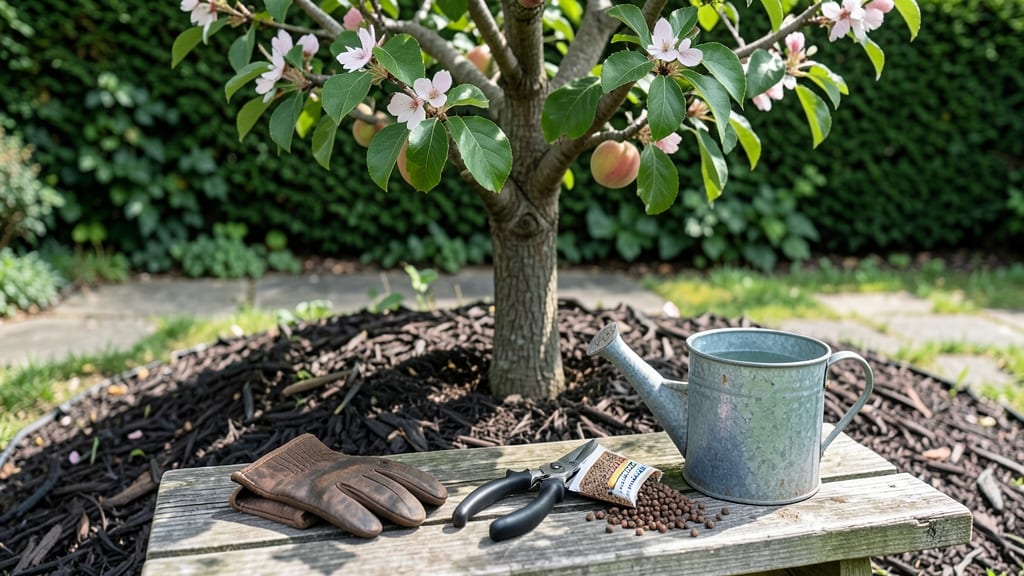
Your fruit tree care near me routine starts with a single, critical question: What's the one thing your tree needs more than anything else right now? 🌳 The answer changes with each season, but the principle stays the same—consistent attention to pruning, soil, and pests keeps your harvest thriving year after year, no matter where you live.
I've learned the hard way that neglecting winter pruning in Zone 6 can mean a summer full of crowded branches and small fruit. The key is timing: prune in late winter before buds swell, thin out crossing branches, and remove dead wood.
Your local climate might shift those windows slightly, but the core rules stay the same—open the canopy to sunlight and air, and you'll see bigger, sweeter fruit by harvest time. What you'll end up with is a tree that produces consistently—not just one great year, but every season.
The leaves stay vibrant, the branches don't snap under fruit weight, and you avoid the heartbreak of blight or pests ruining your harvest. Even in small spaces, these techniques work.
For tools and advice tailored to your area, check your local extension office or nursery—they know your microclimate better than any guide. Now let's get those trees healthy!
📚 In This Guide
- What you need
- Instructions
- Tips and common mistakes
- Wrapping up and next steps
What you need
- ● Pruning shears: Bypass pruners (for small branches, ¼”–¾” thick), with sharp, clean blades.
- ● Loppers: 1 pair (for branches ¾”–2” thick), with long handles for leverage.
- ● Pruning saw: 1 curved-tooth saw (for thick branches 2”+ thick), with a comfortable grip.
- ● Disinfectant: 70% isopropyl alcohol or 1 part bleach to 9 parts water (to sterilize tools between cuts).
- ● Gloves: Heavy-duty, cut-resistant gloves (to protect hands from thorns and sap).
- ● Work boots: Sturdy, ankle-supportive boots (for uneven terrain).
- ● Ladder or step stool: Extendable ladder (if trees are 8+ feet tall) or a 6–8 ft step stool.
- ● Pruning sealant: Wound dressing (for large cuts, though most experts recommend skipping this—trees heal better on their own!).
- ● Tarp or drop cloth: To collect debris and protect nearby plants.
- ● Marking spray: Non-toxic paint (to tag branches for removal or special attention).
- ● Tree bag or tarp: For hauling away large branches or leaves.
- ● First-aid kit: Just in case (thorns and sharp tools happen!).
- ● Weather check: Prune on a dry, calm day (avoid wind or rain).
- ● Research: Know your tree type (e.g., apple, peach, citrus) and its best pruning season (dormant vs. active growth).
- ● Safety brief: Wear long sleeves/pants to avoid scratches and check for power lines or hazards.
- ● Cleanup plan: Have a way to dispose of or compost pruned branches (check local regulations!).
Step-by-step instructions for year-round fruit tree care
Here's how I keep local fruit trees thriving through every season—no fancy tools, just smart habits.
🌱 Step 1: Assess Your Tree’s Needs by Season
Start by checking your tree’s current health and adjusting care based on the season. In spring, focus on pruning to encourage new growth and remove dead branches. I always prune before buds swell—around late winter to early spring—when the tree is still dormant but about to wake up.
During summer, prioritize watering deeply 1-2 times per week (more if it’s dry), especially for young trees. Look for wilted leaves or dry soil 2 inches below the surface as your cues. In fall, clean up fallen fruit and leaves to prevent pests and diseases from overwintering.
Winter care is all about protection. If you’re in a colder climate, wrap the trunk with tree guard or burlap to shield it from harsh winds and rodents. I also avoid heavy pruning in winter, as it stresses the tree when it’s already dormant.
☀️ Step 2: Water Deeply and Strategically
Most fruit trees need 1-2 inches of water per week, but young trees or those in containers may need more. The key is deep watering—soak the soil until it’s moist 12 inches down, rather than giving shallow, frequent waterings. This encourages roots to grow deeper, making the tree more resilient.
I use a soaker hose or drip irrigation for efficiency, especially during dry spells. Water in the early morning to reduce evaporation and fungal risks. You’ll know you’ve watered enough when the soil feels damp but not soggy at the root zone.
Watch for signs of overwatering, like yellowing leaves or mushrooms growing at the base. If your tree is in a container, check the soil daily—potted trees dry out faster and need more frequent watering.
✂️ Step 3: Prune for Health and Fruit Production
Pruning isn’t just about shaping—it’s about airflow and sunlight. Remove any branches that cross or rub against each other, as these create wounds where diseases can enter. I also cut out dead, diseased, or weak branches first, then thin the canopy to let light reach the inner branches.
For fruit trees, aim to keep the center of the tree open. This prevents humidity buildup, which can lead to fungal issues like powdery mildew. Use clean, sharp pruners to make cuts just outside the branch collar—the swollen area where the branch meets the trunk. This ensures the tree heals properly.
If your tree is heavy with fruit, you might need to thin some out. Leave 6-8 inches between fruits to avoid overburdening the branches. This also improves the size and quality of the remaining fruit.
🪴 Step 4: Fertilize and Mulch for Long-Term Health
Fruit trees benefit from a balanced fertilizer in early spring, just as new growth begins. I use a 10-10-10 or 20-20-20 formula and follow the package instructions for application rates. Avoid over-fertilizing, as this can lead to excessive leaf growth at the expense of fruit production.
Mulch around the base of the tree with 2-4 inches of organic mulch, like wood chips or straw, keeping it 6 inches away from the trunk to prevent rot. Mulch helps retain moisture, regulates soil temperature, and suppresses weeds. Replenish it as it breaks down over the season.
If your tree looks nutrient-deficient—yellowing leaves, stunted growth—it might need a soil test. Local extension offices often offer low-cost testing to help you adjust your fertilizer plan.
🌿 Step 5: Monitor and Address Pests/Diseases Early
Regularly inspect your tree for signs of pests like aphids, scale, or borers. Look for holes in the bark, sawdust-like frass, or sticky residue (honeydew) on leaves. Catching issues early makes treatment much easier. I often spray with a mix of neem oil and water for mild infestations.
Diseases like fire blight or apple scab show up as blackened branches, spots on leaves, or fungal growth. Prune infected areas immediately and sterilize your tools with rubbing alcohol between cuts. In severe cases, consult a local arborist for targeted treatments.
Encourage beneficial insects like ladybugs and lacewings by planting companion flowers nearby. These natural predators help keep pest populations in check without harsh chemicals.
Tips & tricks for perfect year-round fruit tree care
These simple habits will help your local fruit trees thrive without the guesswork—no green thumb required.
Seasonal Timing: The late winter to early spring pruning window matters more than you think. Look for swollen buds that haven't yet opened—this is your exact cue. I've learned the hard way that pruning too early can encourage new growth that gets damaged by late frosts, while waiting too long stresses the tree. For most fruit trees in temperate climates, this falls between late February and early March, but check your local frost dates to be precise.
Watering Wisdom: That 1-2 inches per week guideline works for established trees, but young trees or those in containers need special attention. I've found that container-grown fruit trees dry out 3-4 times faster than in-ground trees. Use your finger to check soil moisture 2 inches down—if it's dry, water deeply until moisture reaches 12 inches down. The early morning watering rule is non-negotiable for fungal prevention, but if you must water in the evening, do it before sunset to allow foliage to dry completely.
Pruning Precision: When you're thinning that heavy fruit load, remember the 6-8 inch spacing rule isn't just about fruit size—it's about branch strength. Overloaded branches often snap under fruit weight, especially during wind or rain. I mark the spacing with small stakes before I start pruning to visualize the final distribution. And always cut just outside the branch collar where it meets the trunk—this healing response is what prevents disease entry points.
Fertilizer Strategy: That balanced 10-10-10 or 20-20-20 formula should be applied in early spring, but timing matters more than most people realize. I've seen trees with excessive leaf growth but no fruit because the fertilizer was applied too late in the season. The goal is to fuel new growth that will eventually bear fruit, not just feed the leaves. Spread the fertilizer in a 3-foot diameter around the tree's drip line, not piled against the trunk, to encourage root development outward.
Pro Tips for Fruit Tree Care Near Me
- These simple habits will help your local fruit trees thrive without the guesswork—no green thumb required.
- Seasonal Timing: The late winter to early spring pruning window matters more than you think.
- Watering Wisdom: That 1-2 inches per week guideline works for established trees, but young trees or those in containers need special attention.
Frequently asked questions
Got questions about keeping your fruit trees thriving? You’re not alone! Here are answers to the most common concerns local gardeners have—plus a few pro tips to keep your trees happy and productive.
When is the best time to prune my fruit tree?
The ideal time depends on your tree type! For most fruit trees (like apples, peaches, and plums), late winter or early spring—just before buds swell—is perfect. This promotes healthy growth and prevents disease. Evergreens like citrus or figs? Prune lightly in summer after harvest. Always avoid pruning in fall to reduce pest risks.
How do I know if my fruit tree needs pruning?
Watch for these red flags: crowded branches (blocking sunlight), dead or diseased wood (brown, brittle limbs), crossing limbs (rubbing bark), or overgrowth (too many small fruits). Healthy trees have an open center with sunlight reaching the ground. If your tree looks stressed or fruit quality drops, it’s time to act!
Can I prune my fruit tree myself, or should I hire a pro?
DIY pruning is great for small trees or light maintenance! Use sharp, clean tools and follow proper techniques (like making cuts at a 45° angle). For large, mature trees, steep slopes, or complex issues (like Dutch elm disease), hire a local arborist. They’ve got the expertise—and insurance—to handle tricky jobs safely.
What should I do if pests or diseases appear after pruning?
Act fast! Remove and dispose of infected limbs immediately (don’t compost them!). Clean tools with rubbing alcohol between cuts. For pests (like aphids or borers), try neem oil or insecticidal soap. Fungal issues? Prune for airflow and apply copper fungicide. Monitor your tree weekly—early detection saves your harvest!
Are there fruit tree alternatives if pruning seems too complicated?
Try dwarf varieties (like columnar apples or patio peaches)—they’re easier to manage and produce fruit with minimal pruning. Container-grown trees (e.g., lemon or fig) also simplify care. For hands-off options, consider low-maintenance berries like raspberries or blackberries, which thrive with basic trimming.
Wrapping up and next steps
Taking care of your fruit trees doesn’t have to feel overwhelming—with the right techniques, local expertise, and a little consistency, you’ll enjoy a bountiful harvest for years to come! 🌳✨ Whether you’re pruning for shape, health, or fruit production, remember that each cut is an investment in your tree’s future.
Now’s the perfect time to roll up your sleeves and give your trees the attention they deserve.
Ready to get started? Book a consultation with a local arborist or grab your pruning tools—your fruit trees will thank you! 🍏🍑