
Pruning
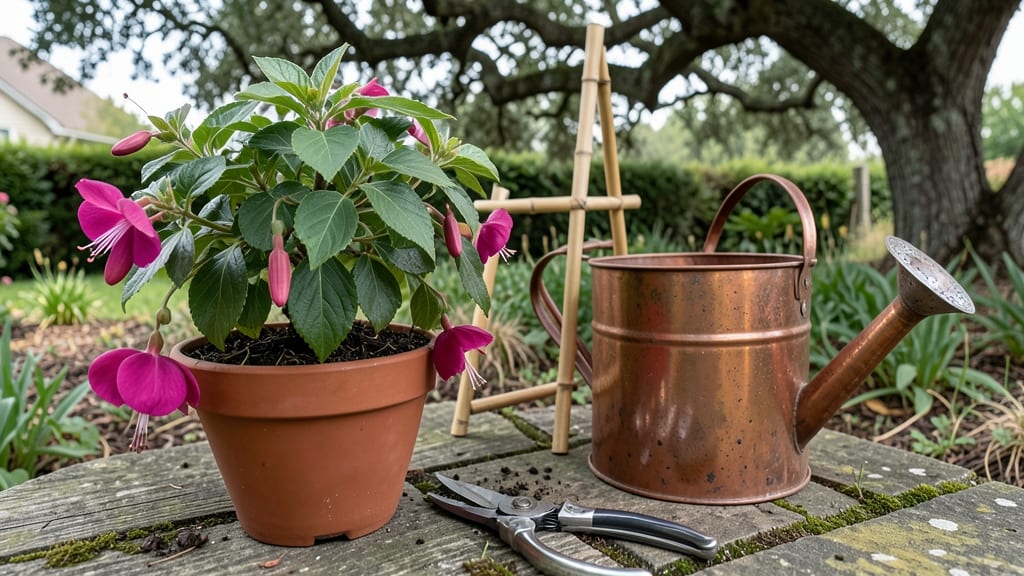
Fuchsia tree care starts with one simple truth: these showstoppers thrive when you mimic their natural tropical habitat. 🌿 The secret isn't complicated—just well-draining soil, consistent moisture, and smart pruning to keep them lush without overworking them.
I've kept my fuchsia blooming for 10+ years by following these core principles, and you can too. The right conditions make all the difference.
Your fuchsia needs morning sun and afternoon shade, soil that drains fast but holds moisture, and a pot with drainage holes if you're growing it in containers. Overwatering is the #1 killer, but underwatering causes those gorgeous blooms to drop faster than you can say "hummingbird."
What you'll end up with is a plant that flowers year-round in warm climates or from spring to frost in cooler zones, with minimal pruning needed. The key is shaping it lightly after blooms fade to encourage bushier growth—no drastic cuts required. Hummingbirds will be your biggest fans too.
Works for both patio pots and garden beds, and the same principles apply whether you're growing a 6-foot specimen or a compact dwarf variety. Let's get yours thriving!
📚 In This Guide
- What you need
- Instructions
- Tips and common mistakes
- Wrapping up and next steps
What you need
- ● Well-draining potting mix: A blend of peat moss, perlite, and compost (or a pre-mixed acidic potting soil for fuchsias). Quantity: 1–2 gallons, depending on pot size.
- ● Containers: Terracotta or fabric pots (3–5 gallons) with drainage holes. Pro tip: Fuchsias hate soggy roots, so never skip drainage!
- ○ Pruning shears: Bypass pruners (sharp, clean, and disinfected) for clean cuts. Optional: Small hand saw for thicker stems.
- ● Balanced fertilizer: 10-10-10 or 20-20-20 (diluted to half-strength) during growing season. Quantity: 1–2 tbsp per gallon of water.
- ● Mulch: Pine bark or coconut coir to retain moisture and regulate soil temp. Quantity: 1–2 inches around the base.
- ○ Spray bottle: For misting leaves (fuchsias love humidity!). Optional: Humidifier tray for indoor plants.
- ● Support stakes: Bamboo or floral picks (4–6 inches tall) to prop up heavy blooms.
- ● Epsom salt: 1 tbsp per gallon of water monthly for magnesium boost (prevents yellowing leaves).
- ● Slow-release pellets: Osmocote or similar for steady nutrients.
- ● Garden twine: For securing stems to stakes.
- ● Rooting hormone: If propagating from cuttings.
Fuchsia tree care: essential steps for year-round success
Here's how to keep your fuchsia tree lush with vibrant blooms—no overpruning required.
🌱 Step 1: Select the Right Location for Light and Humidity
Fuchsias thrive in bright, indirect light—think east-facing windows or dappled shade outdoors. Direct sun scorches leaves, while too little light causes leggy growth. I position mine near a sheer curtain where they get morning sun but afternoon shade. If growing outdoors in warm climates, provide afternoon shade during peak summer months.
Humidity is critical—these tropical plants wilt quickly in dry air. Place the pot on a pebble tray filled with water or use a humidifier nearby. You'll notice leaves curling or brown edges when humidity drops below 50%. A simple spray bottle keeps foliage hydrated between waterings, but avoid wetting the flowers.
☀️ Step 2: Master Watering Without Root Rot
Water when the top 1-2 inches of soil feel dry—stick your finger in to check. Fuchsias hate soggy roots but also despise drought stress. I water deeply until it drains from the bottom, then empty the saucer after 10 minutes to prevent waterlogging. In summer, I water every 2-3 days; in winter, once a week suffices.
Use room-temperature water to avoid shocking the roots. The secret to consistent blooms? Maintain even moisture—never let the soil dry completely between waterings. You'll know you're doing it right when new growth appears at the stem tips within 2-3 weeks of proper care.
💧 Step 3: Feed with Balanced Fertilizer During Blooming Season
Use a balanced liquid fertilizer (10-10-10) diluted to half-strength every 2 weeks from spring through fall. I skip winter feedings since growth slows naturally. The key is consistency—don't overdo it, or you'll get lush leaves but few flowers. You'll see the difference when buds form within 3-4 weeks of regular feeding.
For organic growers, use fish emulsion or compost tea monthly instead. Always water the plant first to prevent root burn from concentrated fertilizers. If leaves yellow between veins, you're overdoing it—flush the soil with plain water immediately.
✂️ Step 4: Prune Strategically for Shape and More Blooms
Prune only when necessary—fuchsias bloom on new growth, so heavy cuts reduce flowers. I trim just above a leaf node to encourage branching. Remove dead or leggy stems first, then shape by cutting back 1/3 of the longest growth after blooming ends. This minimal approach keeps the tree compact without sacrificing flowers.
Here's the thing—never prune in fall unless removing dead wood. Winter is the only time I do major shaping, and I use clean, sharp shears to avoid tearing stems. After pruning, give the plant a light feeding to recover. You'll notice bushier growth within 4-6 weeks of proper pruning.
🪴 Step 5: Protect from Pests and Seasonal Shifts
Watch for aphids and spider mites—they love fuchsias. I spray with neem oil solution at the first sign of sticky leaves or webbing. For prevention, wipe leaves with a damp cloth monthly to remove dust, which attracts pests. If you see yellowing leaves, check the undersides first—aphids hide there.
Move fuchsias indoors before temperatures drop below 50°F. I place them near a bright window and reduce watering. In winter, they enter dormancy—no pruning, no heavy feeding. You'll see new growth in spring when days lengthen naturally, signaling it's time to resume care.
Tips & tricks for thriving fuchsia trees
Between us, these tropical beauties reward patience with stunning blooms—but they demand attention to detail. Here's what nobody tells you about keeping them lush year-round.
Lighting Secret: That "bright indirect light" isn't just about avoiding direct sun—it's about creating a gradual light transition. I rotate my fuchsias quarter-turn weekly so all sides receive even exposure. This prevents the plant from leaning toward the light source, which creates that awkward "one-sided" growth pattern. Think of it like turning a page in a book—consistent, gentle adjustments keep everything balanced.
The Humidity Hack: The 50% humidity threshold isn't arbitrary—it's the point where fuchsias start showing stress. I've found that placing the pot on a pebble tray with water (as mentioned) works, but for an extra boost, I add two ice cubes to the tray. The slow melt creates a microclimate of higher humidity right where the roots need it most. Just be sure to wipe the leaves with a damp cloth weekly—dust blocks light absorption and attracts pests.
Fertilizer Timing: Those 2-week intervals during blooming season are non-negotiable, but here's the thing about the 3-4 week bud formation window: it's your quality control indicator. If you're not seeing buds within this timeframe after consistent feeding, you're either over-fertilizing (check for yellowing between veins) or under-watering. I always do a quick soil check before fertilizing—if the top inch feels dry, water first, then feed. This prevents root burn from concentrated nutrients.
Pruning Precision: When you're cutting back that 1/3 of the longest growth in Step 4, aim for a 45-degree angle just above a leaf node. This angle helps water run off the cut instead of pooling, which reduces rot risk. I also keep a small jar of rubbing alcohol nearby to wipe my shears between cuts—this prevents spreading any potential diseases from one branch to another. The 4-6 week recovery time is your reward for precision cutting, not just hacking away.
Pro Tips for Fuchsia Tree Care
- Between us, these tropical beauties reward patience with stunning blooms—but they demand attention to detail.
- Lighting Secret: That "bright indirect light" isn't just about avoiding direct sun—it's about creating a gradual light transition.
- The Humidity Hack: The 50% humidity threshold isn't arbitrary—it's the point where fuchsias start showing stress.
Frequently asked questions
Got questions about keeping your fuchsia tree lush and happy? We’ve got answers! Here are some of the most common concerns—plus quick fixes to keep your plant thriving with minimal fuss.
How often should I prune my fuchsia tree?
Prune your fuchsia tree lightly 2–3 times a year: spring (to shape and encourage blooms), summer (after flowering to maintain energy), and late fall (to clean up dead growth). Avoid heavy pruning—focus on removing only 1/3 of the plant at a time to avoid stress. Think of it like a haircut: trim, don’t shave!
Can fuchsia trees survive winter?
Most fuchsia trees are tender perennials and need protection in cold climates (below 30°F/-1°C). Before frost, move potted fuchsias indoors or wrap outdoor plants in burlap and mulch the base. In mild winters (Zone 9+), they’ll often survive outdoors with a light frost cloth. Pro tip: Reduce watering in winter to prevent root rot!
Why aren’t my fuchsia flowers blooming?
Lack of blooms usually boils down to light, food, or stress. Check these fixes:
- Light: Fuchsias crave bright, indirect light (like a north or east window). South/west exposure can scorch leaves.
- Food: Feed with a balanced fertilizer (10-10-10) every 4–6 weeks during growing season (spring–fall).
- Pruning: Over-pruning removes flower buds! Trim only after blooms fade.
- Stress: Sudden temp drops or drafts can shock the plant. Keep it cozy!
What’s the best soil mix for fuchsia trees?
Fuchsias love well-draining, slightly acidic soil (pH 6.0–7.0). Mix equal parts:
- Peat moss or coco coir (for moisture retention)
- Perlite or pumice (for aeration)
- Compost or worm castings (for nutrients)
For potted fuchsias, add a chunky amendment like orchid bark to prevent compaction. Drainage is key! Ensure pots have holes, and avoid soggy soil.
How do I get rid of pests on my fuchsia tree?
Common pests like aphids, spider mites, or whiteflies love fuchsias—but you can kick them out naturally!
- Spray with soapy water (1 tsp mild dish soap + 1 quart water) to dislodge soft-bodied bugs.
- Introduce beneficial insects like ladybugs or lacewings for long-term control.
- Neem oil (1 tsp + 1 quart water) tackles mites and fungal issues—spray every 7–10 days.
- Isolate infested plants to prevent spreading to other houseplants.
Prevention tip: Keep leaves dust-free (wipe with a damp cloth) to deter pests!
Wrapping up and next steps
Caring for a fuchsia tree is all about balance—giving it the right light, water, and occasional pruning to keep it vibrant and healthy. With minimal effort, you’ll enjoy stunning blooms year-round! 🌸 Whether you’re a beginner or a seasoned gardener, these simple steps will help your fuchsia thrive.
Now that you’re armed with the knowledge, roll up your sleeves and give your fuchsia tree the love it deserves. Start by inspecting its branches this weekend—you’ve got this! 🌱