
Pruning
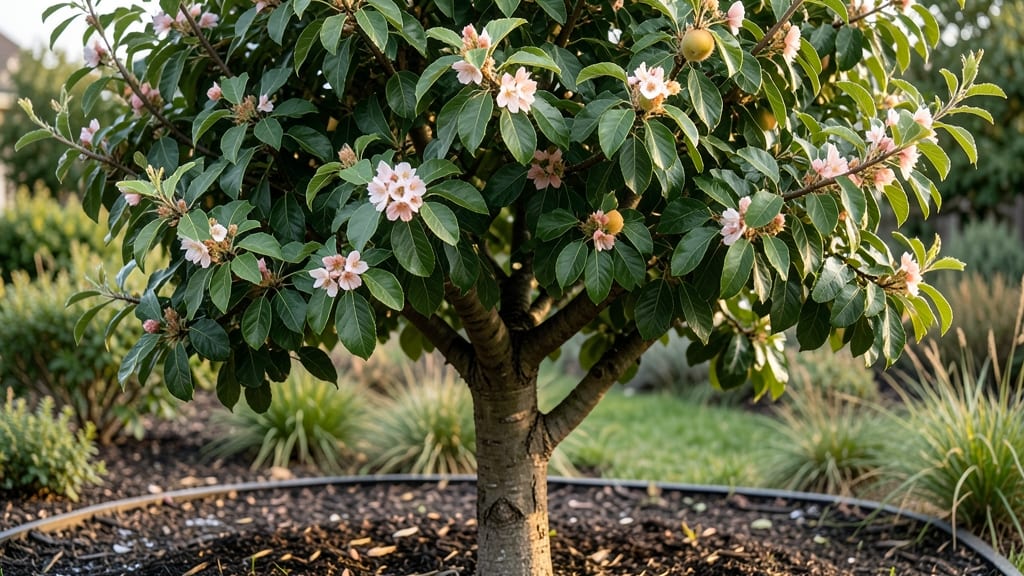
Growing peaches in cold climates used to feel like a pipe dream—until I discovered these cold-hardy varieties that thrive where others freeze. 🌱 These trees aren’t just surviving winter; they’re producing juicy fruit year after year, even in zones 4-6, with the right care.
The secret lies in their genetics: some peach varieties can handle temperatures down to -20°F, while others resist common diseases like brown rot and peach leaf curl.
My favorite, 'Reliance,' produces sweet, freestone fruit reliably even in short growing seasons. Planting them in well-drained soil and choosing the right location makes all the difference.
You’ll end up with trees that produce fruit earlier in the season, resist late frosts, and reward you with harvests that outshine store-bought peaches. The key is selecting varieties bred for cold tolerance and giving them proper winter protection—like wrapping the trunk or using mulch.
Perfect for backyard growers in northern states, these varieties prove peaches aren’t just for warm climates. Let’s get your tree planted and thriving!
📚 In This Guide
- What you need
- Instructions
- Tips and common mistakes
- Wrapping up and next steps
What you need
- ● Hardy peach tree saplings: Choose cold-hardy varieties like ‘Reliance,’ ‘Contender,’ or ‘Redhaven’ (USDA Zones 4-6). Buy 1-2 trees from a reputable nursery.
- ● Shovel or trowel: A 6-inch garden trowel for planting or a round-point shovel for digging larger holes.
- ● Well-draining soil mix: 50% native soil + 50% compost or peat moss (avoid clay-heavy soil).
- ● Organic mulch: Straw, wood chips, or pine needles (3-4 inches thick) to insulate roots.
- ● Pruning tools: Bypass pruners (for clean cuts on small branches).
- ● Loppers (for thicker branches, 1.5-inch capacity).
- ● Pruning saw (for large branches, 8-10 inches long).
- ● Disinfectant: 70% isopropyl alcohol or bleach solution (1 part bleach to 9 parts water) to sterilize tools.
- ● Frost cloth or row covers: Frost blanket (5x7 feet) or agricultural fabric (30% shade) for young trees.
- ● Soil test kit: Check pH (ideal: 6.0-6.5) and nutrient levels.
- ● Tree stakes & ties: For young trees in windy areas (3-4 stakes per tree).
- ● Drip irrigation system: Automated watering for consistent moisture.
- ● Late-season fertilizer: Balanced 10-10-10 or fruit-tree-specific fertilizer (apply in early spring).
- ● Honey or pruning sealant: (Controversial!) Some gardeners use it on large cuts to prevent disease.
Step-by-step guide to selecting and planting hardy peach trees
Cold-hardy peaches thrive with the right varieties and smart planting—here's how to choose and establish them successfully.
🌱 Step 1: Identify Your Cold Hardiness Zone and Variety Needs
First, determine your USDA hardiness zone—most cold-hardy peach varieties excel in zones 4-7, with some hybrids pushing into zone 3. For example, 'Reliance' handles zone 4 winters with -30°F tolerance, while 'Contender' thrives in zones 5-7 and resists late spring frosts better. Check your zone using the USDA map, then cross-reference with variety charts.
Look for low-chill hour requirements (under 500 hours) if you live in warmer winters—these varieties bloom later and avoid frost damage. I always verify a tree's dormancy period matches my climate; mismatched chill hours lead to poor flowering and fruit set. For northern gardens, prioritize varieties labeled "cold-hardy" or "northern-adapted."
☀️ Step 2: Choose a Sunny, Sheltered Planting Site
Peaches demand full sun—at least 8 hours daily—and a south-facing wall or fence for winter protection. Avoid low spots where cold air settles; instead, pick a slightly elevated area with good air drainage. I plant mine near a brick wall that absorbs heat during the day and radiates it back at night, extending the growing season by 1-2 weeks.
Soil pH should be 6.0-6.5—peaches hate alkaline conditions. Test your soil with a home kit or send a sample to your local extension office. Amend heavy clay with compost and sand to improve drainage; peach roots rot quickly in waterlogged soil. Mark the planting spot with a stake before digging to avoid disturbing roots later.
🪴 Step 3: Plant Bare-Root Trees at the Right Time and Depth
Plant bare-root trees in early spring (before buds swell) or fall (6 weeks before first frost). Soak roots in lukewarm water for 2-3 hours before planting to revive them. Dig a hole twice as wide as the root ball but only as deep—the graft union (visible bump near the base) should sit 2 inches above soil level. This prevents buried unions from rotting.
Spread roots gently without bending them, then backfill with native soil mixed with compost. Water deeply until soil settles, then add a 2-inch layer of mulch (avoid touching the trunk). Stake only if necessary—peach trees establish quickly and rarely need support. After planting, water twice weekly for the first month to encourage root growth.
✂️ Step 4: Prune for Cold Hardiness and Airflow
Prune newly planted trees in early spring to remove dead, crossing, or inward-growing branches. Open the canopy to improve airflow, reducing humidity and fungal risks like peach leaf curl. Cut back suckers (shoots from the base) immediately—they drain energy from fruit production. For established trees, prune dormant season (late winter) to shape the tree and remove weak wood.
Thin fruit in early summer to 6-8 inches apart—overcrowded peaches stay small and underripe. I always leave a few extra to account for birds and pests. Apply a dormant oil spray in late fall to smother overwintering insects, and avoid copper sprays if bees are active in spring. Healthy trees handle cold better with proper pruning and pest control.
⏰ Step 5: Protect Young Trees in Early Years
Wrap the trunk with tree guard in winter to prevent rodent damage—squirrels and rabbits love young bark. Cover the root zone with 4-6 inches of mulch (straw or wood chips) to insulate soil and retain moisture. For zone 4 gardens, add a burlap windbreak on the north side during extreme cold snaps. Young trees need extra protection until their root systems mature.
Monitor for late spring frosts—peach blossoms are frost-sensitive. Use row covers or a sprinkler system to protect flowers if frost is forecasted. Mature trees develop better cold tolerance, but young trees benefit from seasonal care like these steps. With patience, your peach tree will reward you with juicy fruit even in colder climates.
Tips & tricks for hardy peach tree varieties
These insights will help you maximize your cold-resistant peach tree's success and productivity.
Variety Selection Wisdom: When choosing between 'Reliance' and 'Contender', consider your specific climate challenges. 'Reliance' excels in zone 4 with its -30°F tolerance, making it ideal for northern gardens facing harsh winters. Meanwhile, 'Contender' thrives in zones 5-7 where late spring frosts are more common. I always cross-reference these varieties with my local extension office's chill hour data to ensure perfect matches—this prevents the heartbreak of poor fruit set from mismatched dormancy periods.
Site Preparation Secret: That 2-3 hour lukewarm water soak for bare roots before planting isn't just about hydration—it's about reviving dormant root cells. I've found adding a tablespoon of honey to the water boosts microbial activity around the roots, giving them an extra energy kick during establishment. For the 8 hours of daily sun requirement, consider installing a solar-powered weather station nearby to track sunlight exposure throughout the day—this helps you identify microclimates where your tree might thrive even better.
Cold Protection Strategy: The 4-6 inches of mulch around young trees isn't just insulation—it's a moisture regulator too. I use straw mulch because it breaks down more slowly than wood chips, providing consistent protection through winter. For zone 4 gardens facing extreme cold snaps, I've had success with a double-layer protection system: wrap the trunk with tree guard, then add a burlap windbreak on the north side. This creates a microclimate that can raise temperatures by 5-10°F around the tree during cold nights.
Pruning Precision: When thinning fruit to 6-8 inches apart in early summer, I always leave the largest, healthiest-looking peaches first, then fill in with slightly smaller ones. This ensures you get a good yield while maintaining fruit quality. For the dormant oil spray in late fall, I mix it with a bit of neem oil—this double protection targets both overwintering insects and fungal spores that might be hiding in the tree's crevices.
Pro Tips for Hardy Peach Tree Varieties
- These insights will help you maximize your cold-resistant peach tree's success and productivity.
- Variety Selection Wisdom: When choosing between 'Reliance' and 'Contender', consider your specific climate challenges.
- Site Preparation Secret: That 2-3 hour lukewarm water soak for bare roots before planting isn't just about hydration—it's about reviving dormant root cells.
Frequently asked questions
Got questions about growing hardy peach trees in colder climates? Here are answers to the most common ones—so you can plant with confidence!
Can hardy peach trees survive winter in Zone 4 or colder?
Yes! Varieties like Reliance or Contender are bred to tolerate temperatures as low as -25°F (-32°C) with proper winter care. Mulch heavily (4–6 inches) and wrap the trunk in burlap for extra protection. Young trees need more shelter—consider a windbreak or low tunnel.
When is the best time to plant a hardy peach tree?
Plant in early spring (after the last frost) or early fall (6–8 weeks before the first hard freeze). Spring planting gives roots time to establish before summer heat, while fall planting allows roots to grow before winter dormancy. Avoid planting in late fall—tender roots can freeze.
Do hardy peaches taste as good as traditional varieties?
Most hardy peaches are slightly less sweet than their southern counterparts but still delicious! Varieties like Redhaven (a cold-hardy hybrid) or O’Henry offer juicy, flavorful fruit. For best taste, pick when the fruit slips easily from the tree and has a rich color.
What pests or diseases should I watch for?
Hardy peach trees face similar pests as other varieties, including peach tree borers and aphids. Prevent borers by keeping the trunk painted with horticultural sealant. For diseases, brown rot is common—remove infected fruit immediately and prune for airflow. Neem oil helps deter pests naturally.
Can I grow a hardy peach tree in a container?
Yes, but choose dwarf varieties like Bonanza and use a large pot (15+ gallons) with drainage holes. Place in full sun and water consistently—containers dry out faster. Move pots indoors or to a garage during winter if temps drop below 10°F (-12°C). Expect smaller yields than in-ground trees.
Pro Tip:
For extra cold protection, plant near a south-facing wall or use a cold frame in early spring to extend the growing season. Hardy peaches thrive with patience and care—don’t rush pruning or fertilizing in their first year!
Wrapping up and next steps
Choosing the right hardy peach tree varieties can transform your northern garden into a fruitful paradise—even in chilly climates! 🌳❄️ These cold-resistant gems prove that peaches aren’t just for the South, and with the right care, you’ll be enjoying juicy rewards for years to come.
Whether you’re a seasoned gardener or just starting, now’s the perfect time to plant, prune, and watch your trees thrive.
Ready to take the next step? Research your zone, pick your favorite variety, and get planting! Your future peach harvests will thank you.