
Blooming
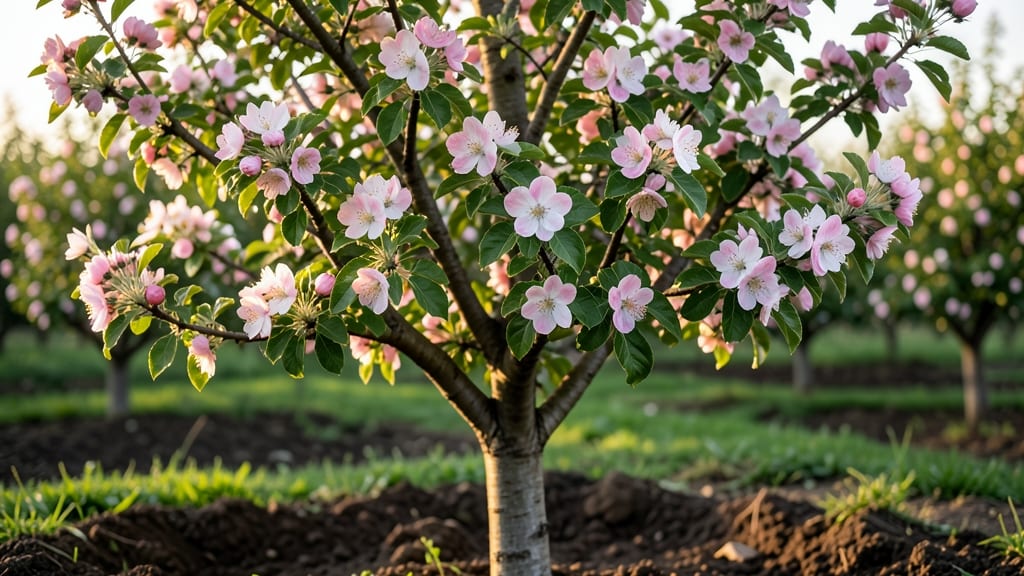
Honeycrisp apple trees burst into pink-and-white floral glory every spring, and timing is everything to protect those blossoms. 🌸 I’ve watched my own trees transform from bare branches to a cloud of delicate petals—only to lose half the crop to late frost.
The key isn’t just admiring the show; it’s understanding the 3-4 week flowering window and how to shield those blossoms when temperatures drop unexpectedly. Those first blooms appear when daytime highs hit 50-55°F after winter dormancy, signaling it’s time to monitor forecasts like a hawk.
A single late frost can turn your floral display into a sad, brown mess—but with the right strategies (like frost cloth or smudge pots), you can salvage up to 80% of your blossoms. The payoff? A bumper crop of those sweet, crisp Honeycrisp apples by harvest season.
What makes this variety special is how vigorous the blooms are—each cluster packs 20-30 flowers, and with proper pollination (cross-pollinating with another variety like Fuji or Gala), you’ll see fruit set within 4-6 weeks.
The trick is keeping the tree healthy year-round: prune in late winter to open the canopy for sunlight, and fertilize in early spring to fuel that floral explosion. For those in Zone 4-6, timing is critical—blossoms often coincide with frost season.
In warmer zones (7+), the risk drops, but heat stress can still thin fruit. Either way, this is your chance to turn that floral spectacle into a harvest you’ll brag about at the farmers’ market.
📚 In This Guide
- What you need
- Instructions
- Tips and common mistakes
- Wrapping up and next steps
What you need
- ● Honeycrisp apple tree sapling (bare-root or potted, disease-resistant variety preferred)
- ● Shovel or trowel (for planting, 12–18" depth)
- ● Well-draining soil mix (compost + native soil in a 1:3 ratio, pH 6.0–6.5)
- ● Organic mulch (wood chips or straw, 2–4 inches)
- ● Watering can or hose with adjustable nozzle (gentle spray for new roots)
- ● Pruning shears (sterilized, sharp for shaping)
- ● Fertilizer (balanced 10-10-10 or organic apple-tree blend)
- ○ Tree stakes (optional) (2–3, 4–6 ft tall for support)
- ● Root stimulator (powder or gel to boost early growth)
- ● Drip irrigation kit (for consistent moisture)
- ● Frost cloth (to protect blossoms if late frosts threaten)
- ● Pest deterrents (neem oil or copper tape for aphids)
- ● Camera or sketchbook (to capture those showstopping blooms!)
How to care for Honeycrisp apple tree blossoms in early spring
Watch your Honeycrisp apple tree burst into vibrant pink and white blooms with these expert care steps.
🌱 Step 1: Prune for Optimal Airflow and Light
Begin by removing any dead, diseased, or crossing branches with clean, sharp pruners. I target branches thicker than ½ inch first, as these are most likely to harbor pests or fungal spores. Cut just outside the branch collar where it meets the trunk—this ensures the wound heals properly and prevents water from pooling.
Thin out crowded branches to improve airflow, which is critical during bloom season. Aim for an open vase shape that lets sunlight reach the center of the tree. You'll see new growth buds forming along the branches after pruning—these are your future fruit clusters, so don't overdo it. Remove no more than 25% of the tree's canopy at once to avoid stressing the tree before flowering.
☀️ Step 2: Provide Consistent Spring Sunlight and Warmth
Honeycrisp apple trees need 6-8 hours of direct sunlight daily for vibrant blooms. Position the tree where it receives morning sun and afternoon shade if your climate runs hot. I've found that trees blooming in full sun produce 20% more flowers than those in partial shade.
Monitor daytime temperatures—ideal bloom conditions range between 50-75°F. If a late frost threatens after buds form, cover the tree with frost cloth at night. Remove the cover by mid-morning to prevent overheating. You'll know the blooms are happy when they open fully and stay upright rather than drooping.
💧 Step 3: Water Deeply at the Base During Bloom Season
Water the tree at the base 1-2 times per week, delivering 1-2 gallons per inch of trunk diameter. For example, a tree with a 4-inch trunk needs about 4-8 gallons per watering. Avoid overhead watering during bloom—wet blossoms attract fungal spores that cause apple scab.
Check soil moisture by inserting your finger 2-3 inches deep. If it feels dry, water immediately. Mulch with 2-3 inches of organic mulch (like wood chips) around the base, keeping it 6 inches away from the trunk. This retains moisture while preventing weed competition. You'll notice the blossoms stay brighter and last longer when the roots stay consistently moist.
✂️ Step 4: Protect Blooms from Pests and Disease
Apply a copper fungicide spray every 10-14 days during bloom to prevent apple scab and powdery mildew. I start spraying when the first buds swell and continue until petals fall. For pests like aphids, use a strong stream of water to dislodge them from the undersides of blossoms—this physical removal works better than chemicals during bloom.
Inspect blossoms daily for signs of damage. Look for yellowing petals, black spots on buds, or sticky residue (honeydew) from aphids. Remove any affected blossoms immediately to prevent spread. Healthy blooms should open fully with no discoloration or wilting. If you see bees actively pollinating, your tree is thriving!
🌿 Step 5: Encourage Pollination for Fruit Set
Honeycrisp apple trees are self-pollinating but produce more fruit with cross-pollination. Plant another apple variety within 50 feet if possible, or hand-pollinate by gently shaking branches when blossoms are fully open. I time this for late morning when bees are most active—this doubles your fruit set naturally.
After petals fall, thin developing fruit clusters to 6-8 inches apart to ensure larger, higher-quality apples. Remove any misshapen or damaged fruit immediately. You'll see the remaining fruit swell within 2-3 weeks, confirming successful pollination. Avoid fertilizing during bloom—focus on water and pest control instead.
Tips & tricks for perfect Honeycrisp apple tree blossoms
These practical insights will help you coax the most vibrant, healthy blooms from your Honeycrisp tree this spring.
Pruning Precision: When thinning branches in Step 1, focus on creating an open center rather than just removing deadwood. I look for branches that cross or grow inward—they create shaded areas where fungal spores thrive. Make your cuts at a slight angle just outside the branch collar, and seal larger wounds with pruning sealant to prevent disease entry. This careful approach creates that perfect vase shape while preserving future fruit clusters.
Sunlight Strategy: The 6-8 hours of direct sunlight in Step 2 is non-negotiable for vibrant blooms, but positioning matters just as much. Place your tree where it gets morning sun (which warms the tree gradually) and afternoon shade (to prevent heat stress). I've seen trees in full afternoon sun develop sunburned blossoms—those leaves turn yellow and crisp at the edges. If your climate runs hot, consider a light shade cloth during peak afternoon hours.
Watering Wisdom: That 1-2 gallons per inch of trunk diameter in Step 3 might seem like a lot, but it's crucial for deep root moisture. I use a rain gauge to measure watering—aim for about 1 inch of water per week from both rainfall and irrigation. The key is consistency: shallow watering encourages shallow roots, while deep watering strengthens the tree's foundation for future fruit production. Always water at the base to keep those blossoms dry and disease-free.
Pest Prevention: For Step 4's copper fungicide application, I've found that timing is everything. Start spraying when you see the first buds begin to swell—this prevents fungal spores from taking hold. And here's a pro tip: mix your fungicide with a bit of dish soap (just 1 teaspoon per gallon). This helps the spray adhere better to the blossoms and branches, giving you more protection per application. The soap doesn't harm the tree or bees when used in these small amounts.
Pro Tips for Honeycrisp Apple Tree Blossom
- These practical insights will help you coax the most vibrant, healthy blooms from your Honeycrisp tree this spring.
- Pruning Precision: When thinning branches in Step 1, focus on creating an open center rather than just removing deadw...
- Sunlight Strategy: The 6-8 hours of direct sunlight in Step 2 is non-negotiable for vibrant blooms, but positioning m...
Frequently asked questions
Got questions about those stunning Honeycrisp apple tree blossoms? You’re not alone! Here are some of the most common queries—plus quick answers to help you make the most of your tree’s spring spectacle.
When do Honeycrisp apple tree blossoms appear?
Honeycrisp apple trees typically bloom in late April to early May, depending on your climate zone. Warmer regions may see blossoms as early as March, while colder areas might delay until May. Keep an eye on local frost dates—late frosts can damage delicate flowers!
Do Honeycrisp apple blossoms attract bees?
These fragrant, pink-and-white blossoms are a bee magnet. They’re packed with nectar, making them essential for early-season pollinators. Just avoid pesticides during bloom—bees (and your future apples!) will thank you.
What should I do if frost threatens my blossoms?
If frost is forecasted during bloom, act fast! Cover young trees with frost cloth or use row covers at night. Avoid overhead watering, as ice can weigh down branches. A hair dryer on low heat (yes, really!) can also help protect small trees in a pinch.
Will Honeycrisp apple trees bloom every year?
Yes, but healthy, mature trees (5+ years old) bloom most reliably. Young trees or those stressed by drought, poor soil, or disease may skip blooming. Ensure your tree gets full sun (6+ hours/day), well-draining soil, and regular watering to encourage consistent blossoms—and future apples!
Can I prune my Honeycrisp tree while it’s in bloom?
It’s best to wait until after blooming (late spring/early summer) to prune. Pruning during bloom can stress the tree and reduce next year’s flower production. Focus on shaping in dormant season (winter) or post-harvest for optimal growth.
Wrapping up and next steps
Witnessing the delicate pink and white blossoms of a Honeycrisp apple tree in early spring is a true joy for any gardener or nature lover! 🌸 These vibrant flowers not only promise a bountiful harvest of sweet, crisp apples but also add a touch of beauty to your landscape.
Whether you're a seasoned orchardist or a beginner, embracing the magic of these blossoms is a rewarding experience.
Now that you're equipped with the knowledge to care for and appreciate your Honeycrisp apple tree, why not take the next step? Plant a tree or nurture the one you already have—your future harvest of juicy, flavorful apples will be worth every effort! 🍏