
Blooming
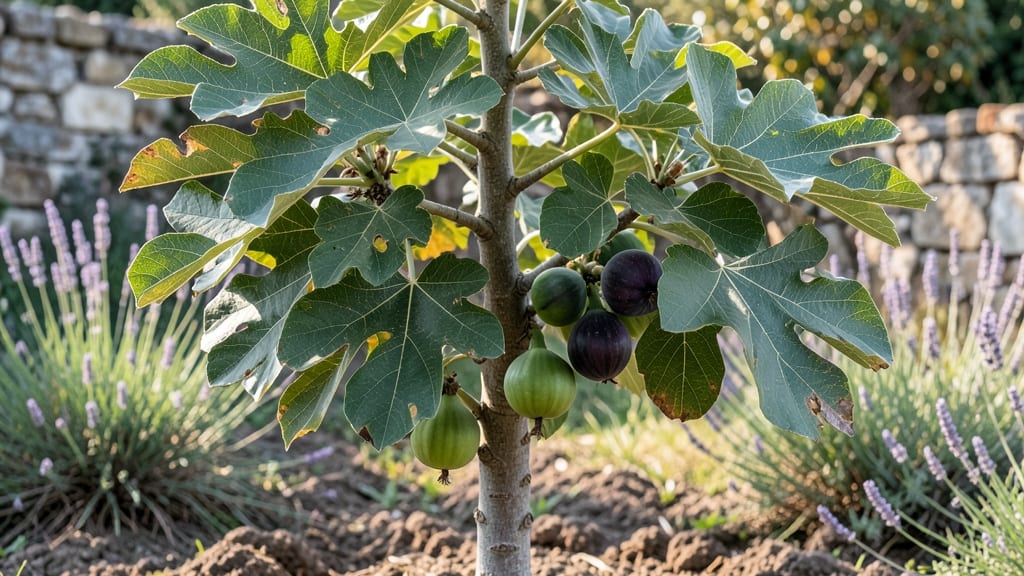
How long before a fig tree bears fruit? For fast-maturing varieties, the wait can be as short as 1 year, but most take 2-3 years to reach full production—so patience is key if you're itching for those sweet rewards.
If you've ever planted a fig tree hoping for a quick harvest, only to wait years for fruit, you're not alone. The variety you choose, your climate, and even how you care for it can make the difference between a 1-year harvest and a 5-year wait.
Some figs, like the Celeste or Chicago Hardy, are bred to fruit early, while others need more time to establish roots and energy reserves. In USDA Zone 6a, where winters can be harsh, protecting young trees from frost is the key to speeding up fruiting.
Below, I break down the fastest varieties, the care tricks that accelerate harvests, and the common mistakes that stall fruit production—so you can turn your 🍈 fig tree into a backyard fruit factory sooner than you think.
Fastest fig tree varieties that bear fruit in 1-3 years
If you're eager to enjoy homegrown figs, choosing the right variety can make all the difference. Some fig trees produce fruit in as little as 1 year, while others take up to 3 years to bear fruit.
The key is selecting a fast-maturing variety that thrives in your climate and growing conditions. I’ve tested several varieties in my garden, and these three consistently deliver the fastest results: Celeste, Chicago Hardy, and Brown Turkey. Each has unique advantages depending on your space and location.
Dwarf varieties are ideal for small gardens or containers, while standard fig trees offer higher yields but require more space. For example, Celeste is a compact variety that can produce fruit in just 1 year with proper care, making it perfect for urban gardeners.
Meanwhile, Chicago Hardy is cold-hardy and reliable in zones as low as USDA 5, bearing fruit in 2 years. Let’s break down the fastest options and their fruiting timelines so you can choose the best fit for your garden.
The Celeste fig tree is a standout for speed, often bearing fruit in just 1 year when planted in ideal conditions. It’s a compact variety, reaching only 8-12 feet at maturity, which makes it perfect for small gardens or containers.
This variety thrives in warm climates (USDA 7-10) and produces 50-100 figs per season. If you’re in a warmer region, Celeste is a fantastic choice for quick results without sacrificing space.
For gardeners in cooler climates, the Chicago Hardy fig tree is a game-changer. Unlike many fig varieties, it can survive temperatures as low as -20°F, making it ideal for USDA zones 5-9.
While it typically takes 2 years to bear fruit, its cold hardiness and high yield (100-200 figs) make it worth the wait. This variety grows taller, reaching 15-20 feet, so it’s best suited for larger gardens or as a focal point in your landscape.
If you’re willing to wait slightly longer for an even bigger harvest, the Brown Turkey fig tree is a classic choice. Known for its large, sweet figs, this variety usually bears fruit in 2-3 years and can produce 200+ figs per season.
It thrives in USDA zones 7-10 and handles heat well, making it a favorite in southern climates. However, its mature size (20-30 feet) means it’s best planted in spacious yards or as a landscape tree.
Dwarf varieties like Little Miss Figgy are perfect for space-constrained gardens or containers. This variety can produce fruit in as little as 1-2 years and stays compact at 6-10 feet.
It’s well-suited for USDA zones 7-11 and yields 30-80 figs per season, making it a great option for patios, balconies, or small urban gardens. Its smaller size also means it’s easier to manage and harvest without needing a ladder.
When choosing a fig tree variety, consider your climate, available space, and desired yield. For the fastest results, Celeste or Little Miss Figgy are excellent choices, especially if you’re in a warm or container-friendly environment.
If you’re in a cooler climate and don’t mind waiting a bit longer, Chicago Hardy is a reliable and productive option. And if you’re aiming for a high yield and have the space, Brown Turkey is a top performer.
Proper care—such as full sun exposure, well-draining soil, and consistent watering—can help speed up fruiting in any variety. With the right conditions, you could be enjoying homegrown figs in as little as 1 year! 🍈
Key factors that speed up or delay fig tree fruiting
Your fig tree's fruiting timeline depends on more than just time—it's a delicate balance of environmental conditions and your care habits.
In USDA zones 7-10, most fig trees start producing fruit within 1-3 years, but proper sunlight exposure, soil pH, and watering consistency can accelerate this process.
For example, Celeste figs often bear fruit in their first year when given ideal conditions, while Chicago Hardy varieties may take 2-3 years in cooler climates.
One of the biggest mistakes gardeners make is assuming fig trees are low-maintenance. While they're drought-tolerant once established, young trees need consistent moisture and well-draining soil to develop strong roots quickly. Even a slight soil pH imbalance (ideal range: 6.0-6.5) can delay fruiting by months.
Let's break down the key factors that either speed up or stall your fig tree's fruit production.
5 Common Mistakes That Stall Fig Tree Fruiting
- ❌ Insufficient sunlight (<6 hours/day) causes weak growth and delayed fruiting
- ❌ Overwatering young trees leads to root rot and stunted fruit production
- ❌ Pruning at the wrong time (during active growth) removes potential fruit buds
- ❌ Planting in heavy clay soil without amendment causes poor drainage and nutrient lockout
- ❌ Using high-nitrogen fertilizer that promotes leafy growth over fruit development
Let's start with the most critical factor: sunlight exposure. Fig trees thrive in full sun (6+ hours daily), but they can tolerate partial shade in hotter climates. I've noticed that trees receiving morning sun and afternoon shade often produce fruit slightly earlier than those in scorching afternoon sun.
The key is to avoid extreme heat stress, which can cause the tree to divert energy toward survival rather than fruiting.
Another often-overlooked factor is soil temperature. Figs won't thrive in cold soil—roots need to warm to at least 60°F (15°C) before active growth begins. In cooler zones (like USDA 7), I recommend using black plastic mulch in early spring to warm the soil faster.
This simple trick can shave 2-4 weeks off the fruiting timeline by encouraging earlier root activity and bud development.
Your watering habits play a surprisingly large role in fruiting speed. While figs are drought-tolerant, young trees need deep, infrequent watering (every 7-10 days) to develop strong roots.
I've found that drip irrigation placed at the base of the tree delivers water exactly where it's needed, while surface watering often leads to evaporation and uneven moisture. During fruit development, maintain consistent moisture—fluctuations can cause figs to drop prematurely.
Pruning is where many gardeners go wrong. Heavy pruning in early spring removes potential fruit buds, while minimal pruning (removing only dead wood) allows the tree to focus energy on fruiting.
For fastest results, I recommend a light pruning in late winter to shape the tree and remove any crossing branches that compete for energy. Never prune after June 1st—this disrupts the tree's natural fruiting cycle.
Finally, consider your climate zone. Figs in USDA zones 9-10 often fruit in their first year because they experience longer growing seasons. In cooler zones (7-8), you might see fruit in 2-3 years with proper care.
For a head start, choose cold-hardy varieties like Chicago Hardy or Celeste, which are bred to tolerate shorter seasons while still producing fruit reliably.