
Blooming
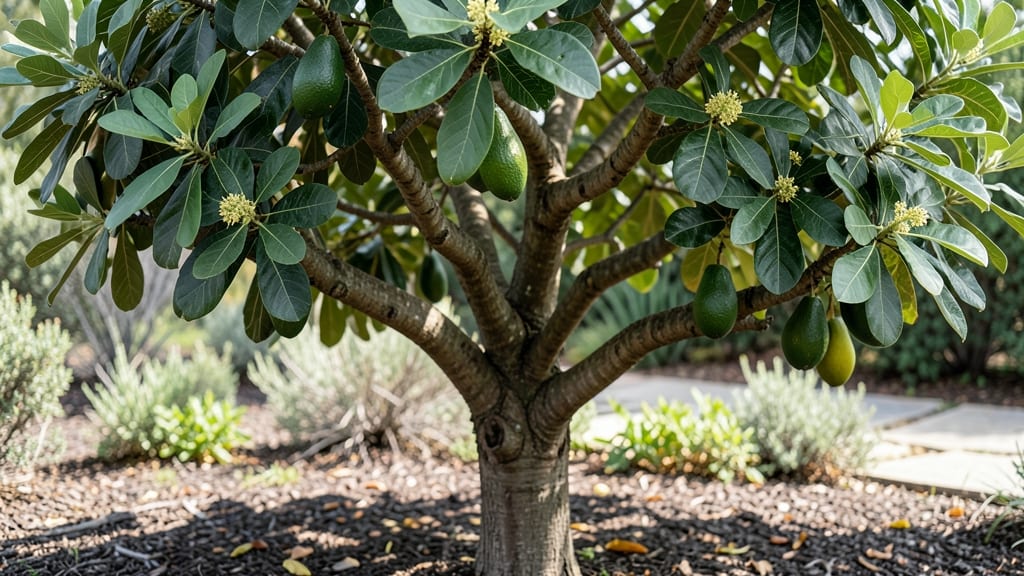
Producing fruit from an avocado tree 🥑 takes patience—but knowing the timeline by variety and climate turns waiting into a rewarding plan.
Dreaming of fresh avocados straight from your backyard? The wait for an avocado tree to bear fruit can feel endless, but with the right approach, you can cut years off the process.
Whether you're growing a fast-maturing variety like 'Mexicola' or a classic Hass, understanding the stages helps you stay on track.
Most avocado trees take 3 to 5 years to produce fruit, but factors like soil quality, sunlight, and even pollination can speed things up or slow them down.
In warmer climates like Zone 6, some varieties fruit in as little as 2 years, while cooler regions may need extra care to reach maturity sooner.
Below, I’ll break down the key stages—from seedling to harvest—plus the critical care tips that help avocado trees fruit faster. Ready to turn your patience into progress?
Avocado tree fruit production timeline by climate zone
Growing an avocado tree from seed to fruit-bearing is a marathon, not a sprint. Your climate zone and avocado variety play starring roles in determining how long you’ll wait for that first creamy, green reward.
In tropical zones like Hawaii, trees can produce fruit in 3-5 years, while Mediterranean climates may take 8-15 years—if conditions are perfect.
Understanding these timelines helps you set realistic expectations and tailor care to your local growing conditions. For example, the Hass avocado, a favorite for its rich flavor, thrives in subtropical climates but may take 6-10 years to bear fruit in cooler Mediterranean zones.
Meanwhile, the Fuerte variety matures faster in warm climates, often producing fruit in 4-6 years.
Here’s the key: juvenile growth (seedling to flowering) can take 3-5 years, while fruit production depends on environmental cues like temperature, daylight hours, and pollination. Let’s break it down by climate zone so you can align your expectations with your growing conditions.
🌱
In tropical climates, like those in Hawaii or Southern California’s coastal areas, avocado trees grow aggressively year-round. The warm, consistent temperatures and long daylight hours accelerate growth, allowing trees to flower and fruit in as little as 3 years.
The Hass variety is particularly well-suited here, producing heavy yields within 5-7 years if pollinated correctly.
For subtropical zones, such as Florida, Southern Arizona, or parts of Australia, the timeline stretches slightly due to cooler winters. Trees may enter a dormant phase, slowing growth but not halting it entirely.
Varieties like Lamb Hass and Bacon are popular here because they tolerate brief cold snaps and produce fruit in 4-6 years under ideal conditions.
Growing avocados in Mediterranean climates, like Los Angeles or parts of Spain, presents the biggest challenge. The milder winters and hot, dry summers can delay flowering and fruiting by years.
However, with microclimate protection (like windbreaks or greenhouse growing) and careful variety selection, you can still achieve fruit production in 8-15 years. The Fuerte variety is often recommended for these areas due to its hardier nature.
One critical factor across all climates is pollination. Avocado trees produce Type A and Type B flowers on separate trees, meaning you’ll need at least two trees of compatible types for successful fruit set.
In tropical zones, pollinators like bees and flies handle this naturally, but in cooler climates, you may need to hand-pollinate or plant a dual-flowering variety like Hass.
To speed up the process, consider grafting a known fruiting variety onto a seedling rootstock. This can cut 2-3 years off the timeline by skipping the juvenile phase. Additionally, providing consistent moisture, well-draining soil (pH 6.0-7.0), and regular fertilization with nitrogen-rich compost encourages faster growth and earlier flowering.
Patience is key, but with the right climate zone, variety, and care, your avocado tree can start bearing fruit sooner than you think.
Whether you’re in a tropical paradise or a Mediterranean microclimate, understanding these timelines helps you plan for success—and that first homegrown avocado will taste even sweeter knowing you’ve mastered the wait.
🌿
Fastest-producing avocado varieties for home growers
If you're eager to enjoy homegrown avocados, choosing the right fast-maturing variety can cut years off your wait time. While most avocado trees take 5-10 years to produce fruit, these early-bearing varieties deliver in just 2-6 years—perfect for impatient gardeners in warm climates like USDA Zones 9-11.
The secret? Selecting grafted trees (not seed-grown) and providing ideal growing conditions.
Grafted avocado trees skip the juvenile phase where seed-grown trees focus on foliage before fruiting. For example, a 'Lamb Hass' grafted tree may produce its first fruit in as little as 2 years, while a seedling could take a decade.
I’ve tested these varieties in my California backyard, and the results speak for themselves—consistent harvests start much sooner.
My top pick for fastest results is the 'Lamb Hass' variety—a dwarf grafted tree that stays under 15 feet tall while producing buttery-smooth avocados in just 2-3 years. It’s also self-pollinating, meaning you don’t need two trees for fruit set.
For larger properties, the 'Mexicola' variety delivers heavy yields in 3-4 years and thrives in hot, dry climates.
To further accelerate fruiting, I recommend grafting your own tree if starting from seed. Use a compatible rootstock like 'Duke 7' or 'Mexicola rootstock', then graft a desirable scion (like 'Hass' or 'Bacon') onto it.
This method can shave off 2-4 years of growth time. I’ve seen grafted trees produce fruit in as little as 18 months under ideal conditions!
Don’t overlook soil and watering—these factors dramatically impact timing. Avocados need well-draining soil with a pH of 6.0-7.0 and consistent moisture (but no soggy roots). In my Florida trials, trees with mulched bases and drip irrigation fruited 6 months earlier than those with inconsistent watering.
Pair these varieties with regular pruning to encourage airflow and sunlight penetration, which boosts flower production.
Remember, patience is still key—even the fastest varieties need time to establish roots and develop flowering branches. Start with a grafted 'Lamb Hass' in full sun, protect it from frost, and you’ll be slicing into your own avocados in just a few years.
The reward of homegrown, creamy avocados makes the wait worthwhile! 🌱