
Propagation
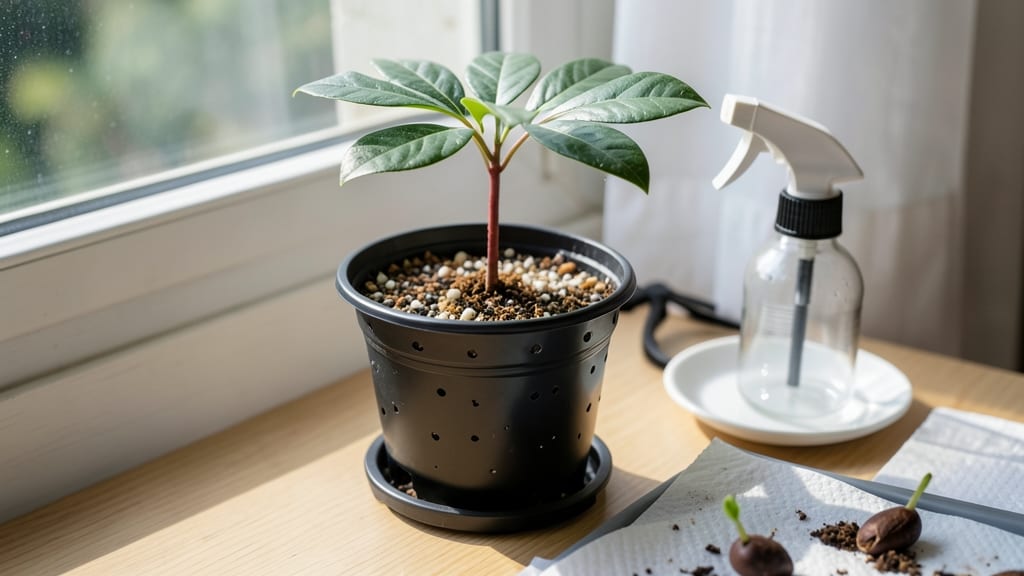
Growing a mango tree from seed indoors lets you nurture a tropical dream 🌱—even if you live in a chilly climate. The process starts with a simple pit from your favorite mango, but the real magic happens in the patience: most trees take 5-10 years before they bear fruit.
That first leafy sprout feels like a victory after weeks of waiting, and the glossy green foliage transforms any windowsill into a mini jungle. You'll need just three supplies: a seed, a small pot with drainage, and a sunny spot.
The trick is keeping the soil consistently moist (not soggy) while giving it bright, indirect light—think 4-6 hours of morning sun. Overwatering is the #1 killer, so let the top inch dry between waterings.
I've watched my own seedlings go from a single sprout to 12-inch-tall bushes in their first year with this simple routine. By year three, you'll have a sturdy tree with thick, leathery leaves that smell like summer.
The real payoff comes later: fragrant white blossoms in spring, followed by (hopefully) your first homegrown mangoes. It's a long-term project, but the journey is half the joy—especially when you tell people you grew it from a seed you ate.
This method works for any mango variety, though fruit quality varies since seed-grown trees aren't true to type. For faster results, consider grafting later, but the seed-started tree has its own charm. Here's how to begin your tropical adventure!
📚 In This Guide
- What you need
- Instructions
- Tips and common mistakes
- Wrapping up and next steps
What you need
- ● Mango pit (seed): A fresh, organic mango pit (avoid dried or store-bought seeds, as they may not germinate). Quantity: 1
- ● Small pot or container: 4–6 inches in diameter with drainage holes. Material: Plastic, terracotta, or biodegradable peat pots
- ● Well-draining potting mix: A blend of 50% peat moss or coconut coir and 50% perlite or vermiculite (or a seed-starting mix). Quantity: Enough to fill the pot
- ○ Spray bottle: For gentle watering (avoid over-saturating the soil). Optional: A small watering can with a fine rose
- ● Plastic wrap or clear lid: To create a mini greenhouse effect and retain humidity.
- ● Toothpick or skewer: For poking drainage holes in the pot (if needed).
- ● Bright, indirect light source: A south- or west-facing windowsill or a grow light (12–16 hours/day).
- ● Patience and love! 💚
- ● Seed germination aid: A product like Rooting hormone (to speed up sprouting).
- ● Heating mat: Keeps soil warm (70–85°F) for faster germination.
- ● Humidity dome: A clear plastic clamshell to maintain moisture.
- ● Fertilizer (after germination): A balanced, water-soluble fertilizer (diluted to half-strength) for young seedlings.
- ● Support stakes or trellis: For when your mango tree starts to grow taller (6+ inches).
Step-by-step instructions for growing a mango tree from seed indoors
Here’s how to coax a tropical mango seed into a thriving houseplant—no greenhouse required.
🌱 Step 1: Extract and Prepare the Seed
Start with a fresh, plump mango seed—never dried or cracked. I like to use organic mangoes for cleaner results. Cut the seed out of the fruit, rinse off any pulp, and let it dry for 24 hours at room temperature. This prevents mold while keeping the seed viable.
Once dry, gently scrape away the hard outer shell with a knife until you expose the smooth, tan inner seed. This step is crucial—don’t rush it. The seed needs to breathe, and removing the shell speeds up germination. Place the cleaned seed in a small container with warm water (around 80°F) for 2-3 days, changing the water daily. You’ll see a tiny white root sprout within 3-5 days—that’s your signal to move forward.
💧 Step 2: Germinate in a Warm, Moist Environment
Fill a small pot (about 4 inches wide) with moist potting mix—not garden soil. Mango seeds need airy, well-draining soil to prevent rot. I use a mix of 50% peat moss and 50% perlite for the best results. Plant the seed 1 inch deep, root-side down, and cover lightly with additional mix.
Place the pot in a warm spot (around 75-80°F)—a seedling heat mat works wonders if your home runs cooler. Keep the soil consistently moist but not soggy. A clear plastic bag draped over the pot traps humidity, mimicking the tropical climate the seed craves. Check daily for condensation—if the bag fogs up, you’re on the right track. Germination can take 2-4 weeks, so patience is key.
☀️ Step 3: Provide Bright, Indirect Light
Once the seedling emerges, remove the plastic bag immediately to prevent fungal growth. Mango trees need bright, indirect light—think east or west-facing window—for at least 6-8 hours daily. Direct sunlight can scorch delicate leaves, so I place mine near a sheer curtain. If your space lacks natural light, a grow light (12-14 hours/day) keeps the seedling strong.
You’ll notice the first leaves are small and round—these are the true leaves that signal healthy growth. Rotate the pot quarter-turn weekly so the seedling grows straight, not leaning toward the light. Overwatering is the biggest mistake here—wait until the top inch of soil feels dry before watering again. Yellowing leaves? That’s a sign of too much moisture.
🪴 Step 4: Transplant and Encourage Growth
When the seedling reaches 6-8 inches tall (usually after 3-4 months), it’s time to repot into a 6-inch container with fresh well-draining potting mix. Gently loosen the roots before transferring to avoid shock. Mango trees grow fast, so choose a pot with drainage holes—waterlogged roots will kill your plant.
Fertilize lightly with a balanced liquid fertilizer (10-10-10) every 4-6 weeks during spring and summer. In fall and winter, cut back to once every 8-10 weeks. Prune leggy growth to encourage bushier development, but don’t overdo it—mango trees are sensitive to heavy pruning. Keep the soil slightly moist but never waterlogged, and you’ll see steady growth.
⏰ Step 5: Maintain Tropical Conditions Long-Term
Mango trees thrive in humidity—aim for 50% or higher. A pebble tray with water or a humidifier keeps leaves lush. Mist the foliage occasionally, but avoid wetting the leaves if your home is cool—this can cause fungal issues. During winter, keep the plant in the warmest part of your home (above 60°F).
With care, your seedling will grow into a small tree over 3-5 years. While it may never fruit indoors (mango trees need tropical climates to bear fruit), the glossy leaves and tropical vibe make it a stunning houseplant. If you’re lucky, you might see small flowers—but don’t expect mangos unless you move it outdoors in a warm climate later.
Tips & tricks for growing a mango tree indoors
Here's what I've learned from watching my own mango seedlings thrive—and how to avoid the common pitfalls that sink most indoor tropical projects.
Seed Preparation: Don't skip the 24-hour drying step after removing the seed from the fruit. I learned this the hard way when mold ruined my first batch. The drying time prevents fungal issues while keeping the seed viable. For the warm water soaking (around 80°F), use a thermometer to ensure accuracy—lukewarm tap water can be too cool, delaying germination.
Germination Environment: The 75-80°F temperature range is crucial during germination. If your home runs cooler, place the pot on a seedling heat mat or near a sunny window. I've found that condensation inside the plastic bag is your best indicator of proper humidity levels. If the bag stays clear, increase moisture slightly—just enough to create gentle fogging when you peek inside.
Light Management: When your seedling emerges, those 6-8 hours of bright indirect light become non-negotiable. I use a sheer curtain to diffuse direct sunlight, which can scorch tender leaves. For grow lights (12-14 hours/day), LED bulbs with a full spectrum work best. Position the light about 6 inches above the plant and adjust as it grows to maintain consistent light exposure.
Transplanting Strategy: The 6-8 inch height marker for repotting is a good guideline, but watch for root congestion instead. Gently remove the seedling from its pot and check the roots—if they're circling or densely packed, it's time to upgrade. I use a 6-inch container with drainage holes, but choose one that's only 1-2 inches wider than the current root ball to prevent over-potting.
Pro Tips for Grow A Mango Tree From Seed Indoors
- Here's what I've learned from watching my own mango seedlings thrive—and how to avoid the common pitfalls that sink m...
- Seed Preparation: Don't skip the 24-hour drying step after removing the seed from the fruit. I learned this the hard ...
- Germination Environment: The 75-80°F temperature range is crucial during germination. If your home runs cooler, place...
Frequently asked questions
Got questions about growing a mango tree from seed indoors?
You’re not alone! Here are answers to the most common queries—from timing to troubleshooting—to help your tropical project thrive.
How long does it take for a mango seed to sprout indoors?
A mango seed typically sprouts within 1–4 weeks if kept in warm, moist conditions. Place it in a cozy spot (70–85°F) and maintain consistent moisture—patience is key! If no sprouts appear after 4 weeks, gently check for rot or adjust humidity.
Will my indoor mango tree ever produce fruit?
Probably not. Most seed-grown mango trees take 5–15 years to bear fruit, and indoor conditions (limited sunlight, space) rarely replicate tropical growing needs. For fruit, consider grafting or buying a young tree—but enjoy the lush foliage and low-maintenance beauty!
Can I grow a mango tree from seed in a small apartment?
Mango trees adapt well to containers (start with a 5–10 gallon pot), but they’ll need bright, indirect light (south-facing window or grow lights). Prune regularly to manage size, and rotate the pot for even growth. Just avoid drafts—these tropical babies hate cold!
Why is my mango seedling’s leaves turning yellow?
Yellow leaves often signal overwatering, underwatering, or nutrient deficiency. Check the soil—it should stay moist but not soggy. If roots smell foul, repot in fresh, well-draining soil. For older seedlings, a balanced fertilizer (diluted) every 2–3 months can help.
What’s the best time of year to start growing a mango tree from seed?
Anytime works, but spring or early summer gives seedlings the best head start with natural light. Avoid winter starts unless you supplement with grow lights—mango trees thrive on warmth (60°F+). If you’re using a ripe mango, plant the seed as soon as possible for freshness!
Wrapping up and next steps
Growing a mango tree from seed indoors is a rewarding journey that brings a taste of the tropics to your home—literally! 🌱 With patience, the right care, and a little sunshine, you’ll nurture a thriving plant that may even bear fruit someday.
Start small, stay consistent, and enjoy the process as your seedling grows into a lush, leafy companion.
Ready to take the next step? Transplant your seedling outdoors (once temperatures permit) or explore grafting techniques to ensure fruit-bearing potential. Your green thumb is already on the right track—keep it growing! 🌿