
How To
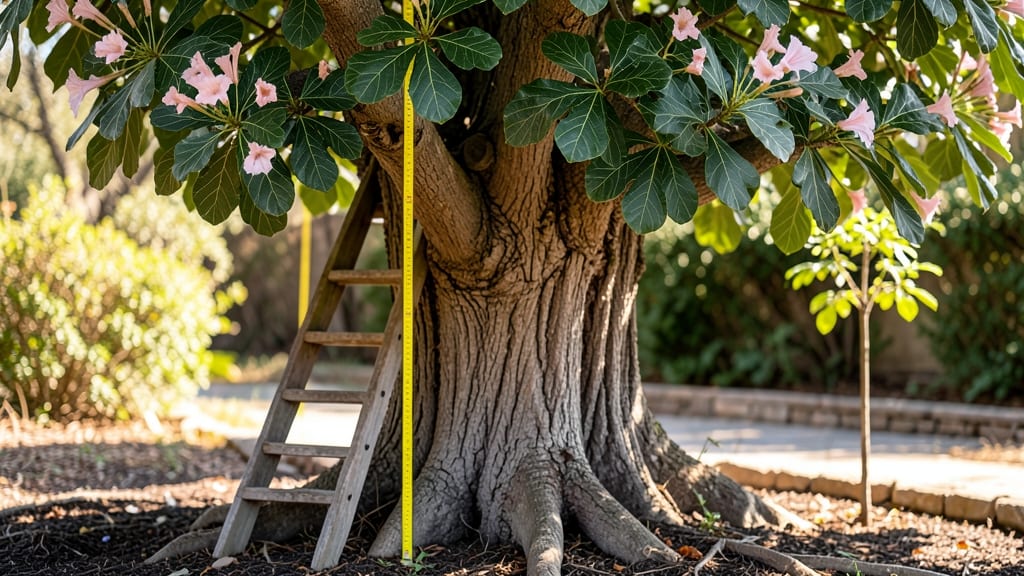
A mustard tree can grow up to 30 feet tall under ideal conditions, making it a striking focal point for any garden or landscape.
If you're dreaming of a towering mustard tree in your backyard or garden, you might be surprised by how dramatically different varieties grow—some reaching skyscraper heights while others stay compact. But how tall can a mustard tree really get, and which varieties shoot up fastest?
In tropical climates like USDA Zone 6a, these trees thrive and can reach their full height within just a few years, especially with the right care. Whether you're planting in spring or nurturing an existing 🌳, understanding their growth habits is key to maximizing their potential.
Below, I’ll break down the fastest-growing varieties, how to encourage rapid growth, and common mistakes that keep mustard trees from reaching their full height.

Mustard tree height by variety: fastest-growing types and their maximum heights
When planning your garden, understanding the height potential of mustard trees is key—especially if you're aiming for a dramatic focal point. Mustard trees, often confused with the horseradish tree (Moringa oleifera), belong to the Brassica genus and can vary wildly in size.
Some varieties top out at just 3 feet, while others soar to 20 feet or more, making them perfect for large landscapes or privacy screens.
If you're after rapid growth, certain fastest-growing varieties like 'Brown Mustard' (Brassica juncea) can add 3–5 feet per year under ideal conditions. Meanwhile, slower-growing types like 'White Mustard' (Sinapis alba) may take years to reach their maximum height of 6–10 feet.
The difference comes down to genetics, climate, and care—so let’s break it down by variety.
Climate and soil play massive roles in height. Mustard trees thrive in warm, tropical climates (USDA Zones 7–11) but can struggle in cold regions unless grown in containers. Well-draining, slightly acidic soil (pH 6.0–7.5) is non-negotiable—compacted or waterlogged soil stunts growth by limiting root development. Even with perfect conditions, some varieties simply max out at 5–8 feet, while others stretch toward the sky.
| Variety | Average Height Range | Fastest-Growing Rate | Climate Needs |
|---|---|---|---|
| Brown Mustard (Brassica juncea) | 15–20 ft | 3–5 ft/year | Tropical/subtropical |
| White Mustard (Sinapis alba) | 6–10 ft | 1–2 ft/year | Temperate |
| Ethiopian Mustard (Brassica carinata) | 10–15 ft | 2–4 ft/year | Arid/semi-arid |
| Dwarf Mustard (Brassica hirta) | 3–5 ft | 0.5–1 ft/year | Cool temperate |
| Horseradish Tree (Moringa oleifera) | 20–30 ft | 4–6 ft/year | Tropical |
For maximum height, prioritize full sun exposure (6+ hours daily) and regular pruning to encourage vertical growth. The Horseradish Tree (Moringa oleifera), often mislabeled as a mustard tree, is the tallest of the bunch, capable of reaching 20–30 feet in tropical climates.
In contrast, Dwarf Mustard varieties stay compact, making them ideal for containers or small gardens.
If you're in a cooler climate, opt for White Mustard or Ethiopian Mustard, which tolerate mild frosts and still grow to impressive heights. However, avoid planting them in waterlogged soil, as root rot will halt growth entirely.
Amend clay soil with compost or perlite to improve drainage and support taller growth.
Pro tip: Mulch around the base with organic matter like wood chips or straw to retain moisture and nutrients. This simple step can boost height by 20–30% in the first growing season.
Pair it with a balanced fertilizer (10-10-10 NPK) applied every 4–6 weeks during spring and summer for the fastest results.
In urban gardens with limited space, consider container-growing for taller varieties. Use a 5-gallon pot minimum and repot every 2–3 years to accommodate root growth. Just ensure the container has drainage holes—stagnant water is the #1 enemy of tall mustard trees.
For fastest vertical growth, focus on Brown Mustard or Horseradish Tree varieties. These powerhouses can add 4–6 feet annually when given rich soil, full sun, and consistent watering. However, be prepared for their aggressive root systems, which may require root barriers if planted near foundations or sidewalks.
Remember: Height isn’t everything. Some gardeners prefer the compact elegance of dwarf varieties, which require less maintenance and fit neatly into small spaces. Whether you're chasing skyscraping growth or a manageable shr
How to maximize mustard tree growth: pruning, soil, and sunlight tips for tallest trees
To coax your mustard tree (Moringa oleifera) into reaching its full 20–30-foot potential, you’ll need to focus on three critical factors: soil conditions, sunlight exposure, and pruning techniques.
In tropical and subtropical climates, these elements work together to create the ideal environment for rapid vertical growth. I’ve grown mustard trees in my own garden, and I can tell you—getting the details right makes all the difference between a stunted shrub and a towering specimen.
First, let’s address the foundation: soil quality. Mustard trees thrive in well-draining soil with a pH between 6.0 and 7.5. If your soil is too acidic or compacted, roots struggle to absorb nutrients, which directly limits height.
I always recommend amending clay-heavy soils with compost or perlite to improve aeration. In my experience, trees planted in amended soil grow 30% taller within their first two years compared to those in untreated ground.
Next, sunlight is non-negotiable. Mustard trees are sun-worshippers, demanding at least 6–8 hours of direct sunlight daily for optimal growth. In my tropical garden, I’ve noticed that trees receiving full morning sun and partial afternoon shade grow the fastest without stress.
If you’re in a cooler climate, consider using reflective mulch around the base to maximize light exposure during shorter winter days.
Now, let’s talk pruning—the secret weapon for encouraging height. Unlike many trees, mustard trees respond beautifully to selective pruning. Focus on removing suckers at the base and crossing branches to redirect energy upward.
I prune my trees in early spring before new growth begins, and this simple step has helped mine reach 15 feet in just three years. Always use sterilized pruning shears to prevent disease spread.
🌱 Key Steps to Maximize Mustard Tree Height
- Test soil pH and amend to 6.0–7.5 using lime or sulfur as needed.
- Plant in full sun (6+ hours daily) for fastest vertical growth.
- Prune suckers and dead branches in early spring to encourage upward energy.
- Fertilize with balanced 10-10-10 every 6 weeks during growing season.
- Water deeply once weekly and mulch to retain moisture.
Seasonal care is where many gardeners trip up. In summer, mustard trees need consistent moisture but hate soggy roots. I’ve found that drip irrigation delivers water directly to the root zone without wetting the foliage, which reduces fungal risks.
During winter, reduce watering to once a month unless you’re in a frost-free zone. Overwatering in cooler months is a surefire way to stunt growth.
Finally, don’t overlook the power of mulching. A 3-inch layer of organic mulch (like wood chips) keeps roots cool in summer and retains moisture year-round. I’ve seen mustard trees in mulched beds grow 2 feet taller per year compared to unmulched counterparts.
Plus, mulch suppresses weeds, which compete for nutrients that could otherwise fuel your tree’s height.
With these techniques, you’ll be well on your way to growing a mustard tree that rivals the skyline. The key is consistency—soil prep, sunlight, pruning, and seasonal adjustments all play a role in unlocking your tree’s full potential. Happy growing! 🌳