
How To
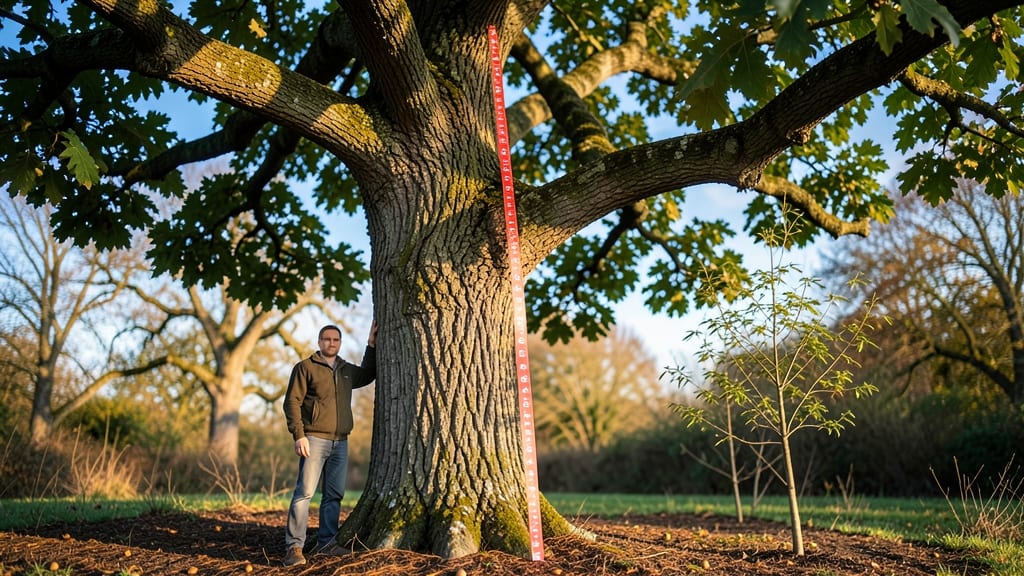
An oak tree can grow up to 100 feet tall—or even taller in ideal conditions—making it one of nature’s most majestic giants.
Picture this: a towering 🌳 standing taller than a 10-story building, its branches stretching wide enough to shade an entire backyard. But not all oaks reach that height—some stay compact, while others shoot up like sky-scrapers. The difference often comes down to species, soil, and climate.
If you’re planning to plant an oak, knowing its potential height helps with spacing and long-term care. A red oak might top out at 80 feet, while a live oak in the right conditions can dwarf even that.
Below, I’ll break down which species grow fastest, how to control height, and what factors make the biggest difference in your region.
Whether you want a shade giant or a manageable landscape tree, this guide helps you pick the right oak—and set it up for success from day one.

Maximum height of oak tree species: from dwarfs to giants
Oak trees are nature's skyscrapers, with some species reaching heights that dwarf even the tallest buildings. The maximum height of an oak tree depends entirely on its species—ranging from compact dwarf varieties perfect for small yards to towering giants that dominate forests.
For example, the coast live oak can stretch over 100 feet, while the dwarf chinquapin oak stays under 25 feet. These extremes make oak trees versatile for both urban landscapes and sprawling estates.
Understanding these height variations helps gardeners plan spacing, pruning, and long-term care. Some oaks grow 3 feet per year in ideal conditions, while others take decades to reach maturity. The fastest-growing species, like the pin oak, can add 2 feet annually when given rich soil and full sun.
Meanwhile, slow growers like the bur oak may only gain 1 foot per year, requiring patience for full height potential.
Here’s a breakdown of oak species by their maximum recorded heights, verified by botanical studies and arboretum records. This summary includes both the fastest-growing and slowest-maturing varieties, along with their typical growth rates and ideal climates.
The coast live oak and swamp white oak hold the records for tallest oak species, often exceeding 100 feet in ideal conditions. These giants require ample space, making them better suited for rural properties or parks.
In contrast, dwarf varieties like the chinquapin oak are perfect for urban gardens or patios, where height control is essential. Even these smaller oaks can live for centuries, though their growth is measured in inches per year rather than feet.
Growth rates also vary by region. For instance, a red oak in the Southeast may grow 3 feet annually due to warm climates and rich soil, while the same species in the Northeast might only add 1 foot per year due to shorter growing seasons.
Soil composition plays a critical role—acidic, well-draining soil accelerates growth in species like the pin oak, while clay-heavy soil can stunt even fast-growing varieties.
If you're planning to plant an oak tree, consider its mature height and how it will interact with nearby structures. A white oak with a 100-foot potential planted too close to a house could cause foundation issues or power line conflicts. Always check local
Climate and soil factors that determine oak tree growth height
When planning to plant an oak tree, understanding how climate and soil conditions shape its height is essential. Oak trees thrive in diverse environments, but their growth potential varies dramatically based on temperature zones, precipitation, and soil composition.
For example, a Southern Live Oak in Florida can reach 80 feet with ideal heat and humidity, while a White Oak in New England may max out at 60 feet due to cooler climates.
Soil plays an equally critical role—well-draining, slightly acidic soil (pH 5.0-7.0) promotes faster growth, while clay-heavy or waterlogged soil can stunt roots and limit height.
Elevation also matters: high-altitude oaks often grow shorter due to thinner air and colder temperatures, reducing their potential by 10-20 feet compared to lowland counterparts.
🌳 Comparison Table: Oak Tree Height by Climate and Soil Conditions
| Factor | Southern Live Oak (Florida) | White Oak (New England) | Red Oak (Midwest) |
|---|---|---|---|
| Climate Zone | USDA 8b-11 (Hot, humid) | USDA 4a-6b (Cool, seasonal) | USDA 4a-7b (Moderate) |
| Annual Precipitation | 50-70 inches | 30-50 inches | 25-45 inches |
| Soil Type | Sandy loam (well-draining) | Clay loam (moderate drainage) | Loamy (balanced) |
| Elevation Impact | Sea level (+10-15 ft height) | Up to 2,000 ft (-5-10 ft height) | Up to 1,500 ft (-8-12 ft height) |
| Mature Height Range | 60-80 ft (optimal conditions) | 50-60 ft (cooler climate) | 55-70 ft (moderate climate) |
| Growth Rate (ft/year) | 1.5-2.5 ft | 0.8-1.5 ft | 1.0-2.0 ft |
In Southern climates, oak trees grow taller and faster due to longer growing seasons and abundant rainfall.
For instance, a Southern Live Oak in Florida’s USDA Zone 10 can add 2 feet per year in ideal conditions, while the same species in Zone 7 may only grow 1 foot annually.
Meanwhile, White Oaks in New England’s cooler zones prioritize root development over height, resulting in slower but more resilient growth.
Soil moisture and nutrients also dictate height potential. Well-aerated, nutrient-rich soil with organic matter can boost a tree’s height by 20-30% compared to poor soil.
For example, a Red Oak in Missouri’s loamy soil may reach 70 feet, while one in compacted urban soil might only hit 50 feet. Testing soil pH and amending it with compost or lime can significantly improve growth outcomes.
Elevation further refines height expectations. Trees at higher altitudes (e.g., Appalachian White Oaks) often grow 10-20 feet shorter due to cooler temperatures and thinner air, which slows photosynthesis. Conversely, lowland oaks in swampy or floodplains may grow taller but face root rot risks if drainage is poor.
For gardeners, these factors mean location scouting is critical. If you’re planting a White Oak in a small yard, choose a semi-dwarf variety or prune aggressively to manage height.
In contrast, Southern Live Oaks thrive in spacious landscapes with full sun and deep soil, where they can achieve their full 80-foot potential.
Understanding these climate and soil dynamics helps you set realistic expectations and create the ideal growing conditions for your oak tree—whether you’re aiming for a towering shade provider or a manageable landscape feature. 🌿